'Winning the Bread and Baking it, Too'—How The Economics of 'Having It All' is Burning Women Out
Economist Corinne Low’s new book explores the myth of the tradwife, the trap of flexibility, and how unrealistic expectations are crushing women.

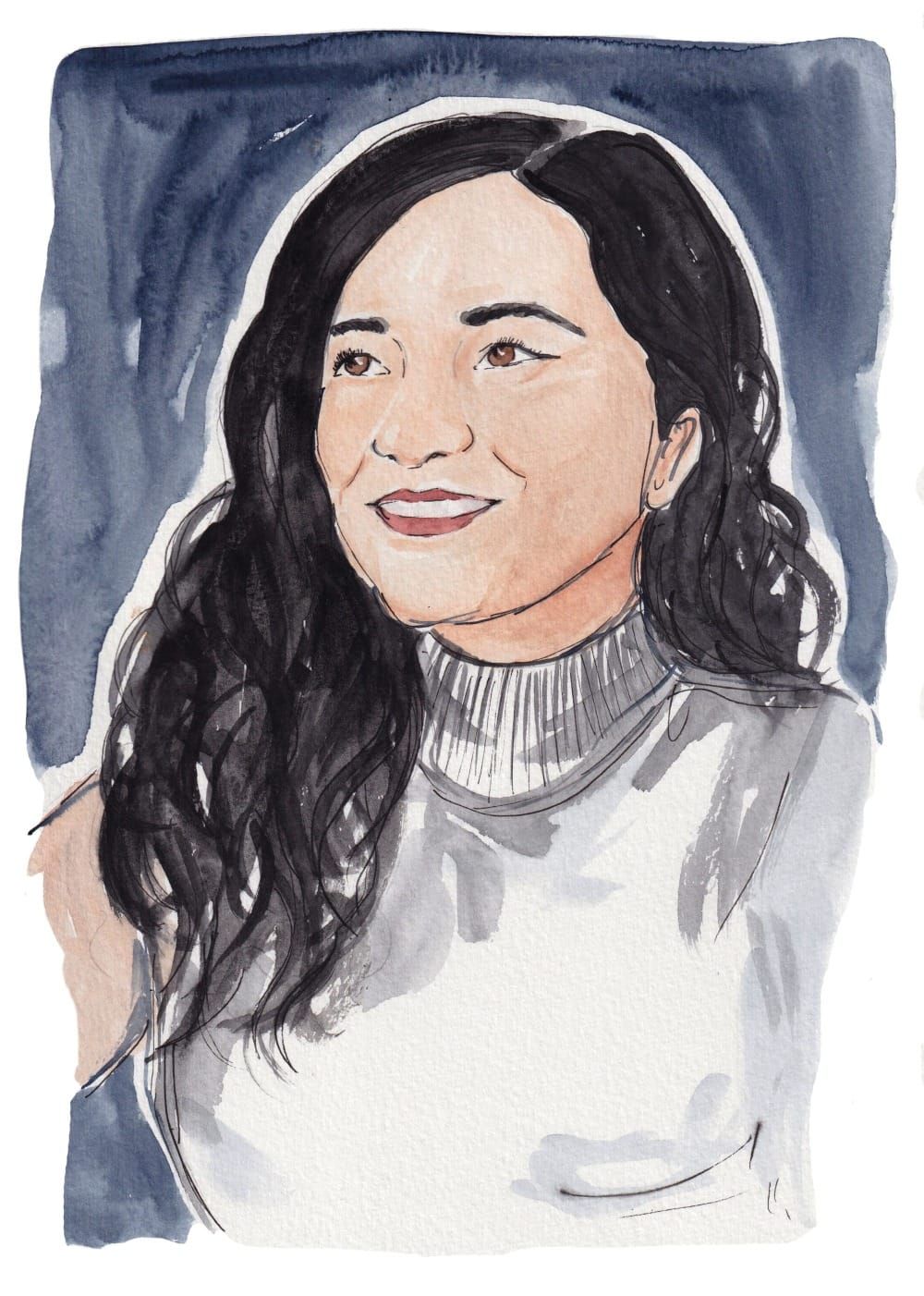
In 2017, Corinne Low found herself standing in the cramped bathroom of an Amtrak train, pumping breast milk and crying.
She was racing home to New York City after a long day of teaching and research, but she already knew she wouldn’t make it back in time to put her infant son to bed.
It was the moment she realized something had to give.
Back then, Low was a new mother, the sole breadwinner for her family, and an untenured academic coping with all the relentless expectations that entailed. Her husband had left his job to start a business, and their family relied entirely on Low's income.
Eight years on, Low’s life looks very different. Now a tenured professor at the Wharton School, a mother of two, and living in Philadelphia with a new partner, she’s turned the inflection points that shaped her own upheaval into a newly released, best selling book.
"Having It All: What Data Tells Us About Women's Lives and Getting the Most Out of Yours" blends Low’s personal story with her research on gender, work, family, and the myths that still dictate so many women’s lives. It’s part social science, part cultural critique, and part women’s handbook for navigating an imperfect world.
Low spoke with The Persistent about love, labor, economic realities, and what it really takes to build a life that works for women.
The conversation has been edited and condensed.
The phrase “having it all” carries a lot of emotional baggage. What’s the story behind choosing it as your book title?
My original book proposal was actually titled Femonomics—a play on Freakonomics—because that had been the title of my blog and social media handles. But we eventually realized that Femonomics sounded like a personal finance book, which isn’t what this is. We needed a title that captured the broader story.
'Having it all' is the horror story so many modern women are living. For me, it was crucial that the title "Having It All" be read as clearly ironic.
For me, it was crucial that the title "Having It All" be be read as clearly ironic. That’s why the cover shows the crying baby, dinner on fire, the broken heel—it signals that “having it all” is the horror story so many modern women are living, not something I’m promising to teach you.
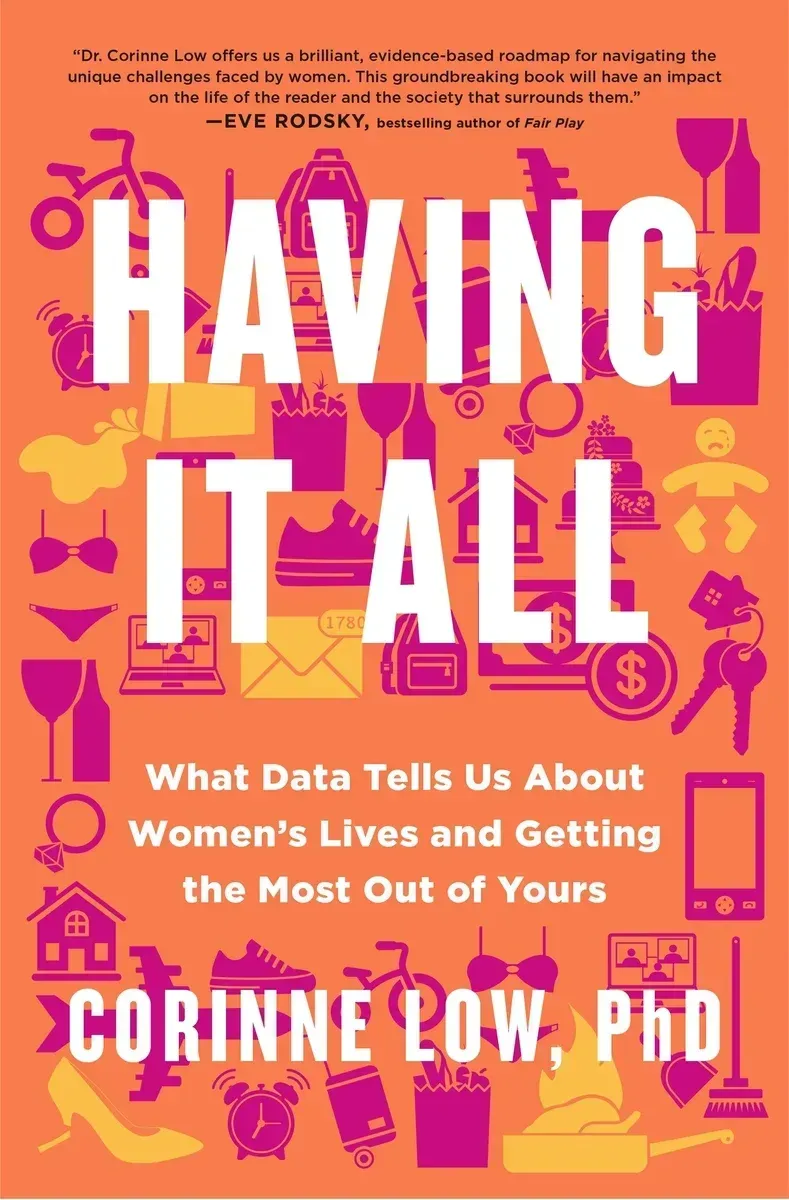
I’m not saying we should want to “have it all;” I’m saying that the pursuit of it is drowning women, and we need ways to make it all add up.
Economists don’t usually talk about love, but in your book, you use the phrase “love is the epsilon.” What do you mean by that?
In econometrics, in which we use statistical and mathematical methods to quantify economic theories, the “epsilon” is the error term: the distance between each data point and the trend line. So when we look at patterns—including the fact that you can predict someone’s likely partner based on education, income, age, even height—love is the part we can’t predict. It’s the variation around the trend.
Studying “love as the epsilon” also made me reflect on how love shapes women’s choices. Caring for partners, children, and community is a [beneficial] evolutionary force that historically ensured our survival.
But while love adds value to our lives, it can also pull us away from decisions that are in our best long-term interest. Behavioral economics talks a lot about biases and heuristics, but rarely about love—despite the fact that it’s one of the most powerful drivers of human behavior.
 Emma Haslett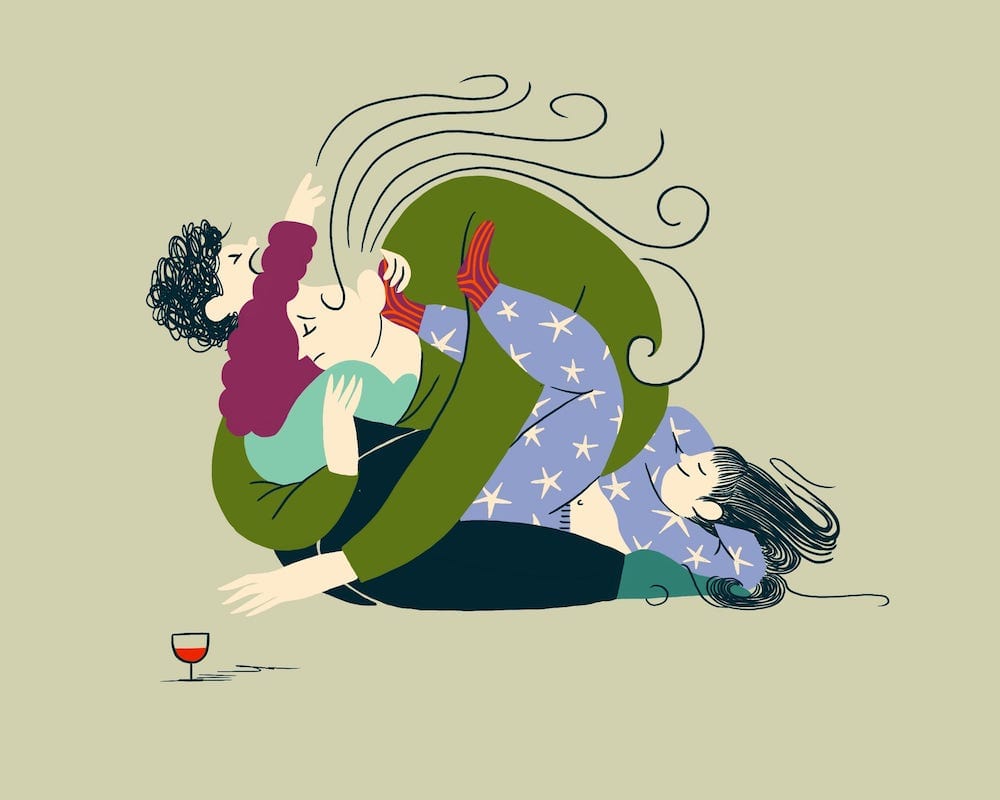
Much of the coverage of your book has focused on your personal story. How did your own life shape the way you wrote the book and how it’s been received?
As an economist, I’ve researched how heterosexual relationships can sometimes be a bad deal for women—not always, but often—because even as women’s earning power has grown, their household labor hasn’t decreased. Many women end up “winning the bread and baking it too.”
I was in that situation myself. I was the primary, and for a time even the sole, breadwinner in my marriage, but also the default parent and the person doing most of the housework. Ultimately, my marriage ended.
Afterward, I was so burned out on gender roles making decisions for me that I chose to date women.
I’ve joked in academic presentations that being a lesbian was an “evidence-based decision” based on my research on household labor. If you make that joke to the media, it becomes the headline—suddenly the story is, “Economist leaves husband for women.”
I’m not saying heterosexual marriage is bad. My message is simply that women’s needs have to be met.
But I’m not saying heterosexual marriage is bad. My message is simply that women’s needs have to be met—whether in choosing a partner or renegotiating existing arrangements. I actually hope most readers stay happily partnered; my personal story just happened to look different.
You write about the trap of “flexibility” and argue that women should prioritize boundaries instead. Why?
Flexibility sounds great in theory, but in practice it can mean that you’re expected to be available all the time—at work and at home. For women especially, flexibility often results in them being the ones who stay home with the sick kid or handle mid-day errands, because “[we] have flexibility.” It becomes a double shift.
What frustrates me is that employers sometimes use flexibility as an excuse not to hire or promote women—claiming women “need” remote work or special accommodations. But the data doesn’t support that. Women aren’t willing to sacrifice much pay for flexibility or work-from-home; what they will give up pay for is predictability.
Nursing is the perfect example: As a job, it’s inflexible, in-person, and 90% female. It’s not an easy job, but women choose it because it’s structured.
So I want two things: for firms to get better at offering structure, and for women to feel empowered to set boundaries. Boundaries around work hours. Boundaries around domestic responsibilities. Boundaries that protect long-term career investment instead of sacrificing it because we’re the “flexible” one.
 Josie Cox
What is the broader economic cost of women leaving—or being pushed out of—the workplace?
First, I want to emphasize that many women aren’t “quitting”—they are being pushed out. Jobs dominated by women are often the first cut when federal funding decreases. And culturally, we’ve slipped into this idea that women work “for fun,” which is absurd. Millions of families rely on women’s earnings.
Culturally, we’ve slipped into this idea that women work "for fun," which is absurd.
When women are pushed out of the labor market, children fall into poverty. Families lose stability. And women themselves lose the chance to maintain the “money machine”—their ability to convert their time into income through skills and work experience. That’s hugely dangerous, not just because of divorce but because anyone’s partner can lose income, get sick, or die.
In contrast, the fantasy of the “tradwife” is often really a fantasy of wealth. Historically, only wealthy women had the option not to work. And even if a household can survive on one income, that set up leaves women economically vulnerable. Investing in your education and career means you will always have that money-generating ability if you need it.
 Kathleen Davis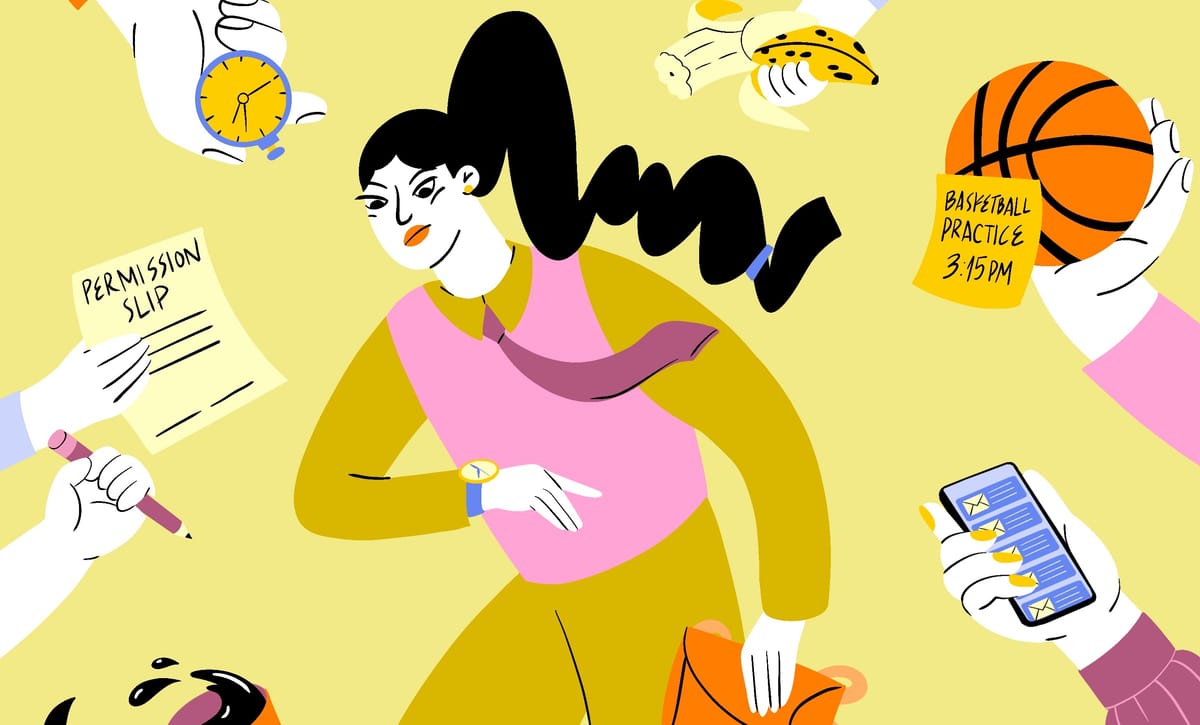
In the book, you also talk about how motherhood has evolved, with parenting time for women doubled in a generation. Why are we doing so much more?
This is one of the most eye-opening statistics. Women today spend twice as much time with their children as the previous generation did—often seven or more additional hours a week.
Why? Because we know more about child development. We've been told to talk to our babies constantly, provide enriching activities, supervise them closely, help with homework, and create elaborate bedtime routines.
Our parents did none of that. They didn’t read three stories and process highs and lows. We played outside until dark with no water bottles. Then they told us, “Go to bed.” And they had time to cook, clean, garden, fix the house—all the things we feel guilty for not doing.
We’re holding ourselves to the domestic standards of the 1970s while doing more demanding jobs and dramatically more parenting—while men’s household contributions haven’t changed much. It’s impossible. Recognizing that helps women understand that they’re not failing; the expectations are simply unrealistic.