'Why Not Us?'—In France, Men Are Finally Speaking Out Against Violence
Gisèle Pelicot’s son David is encouraging more men to speak out against sexual violence. It's working.

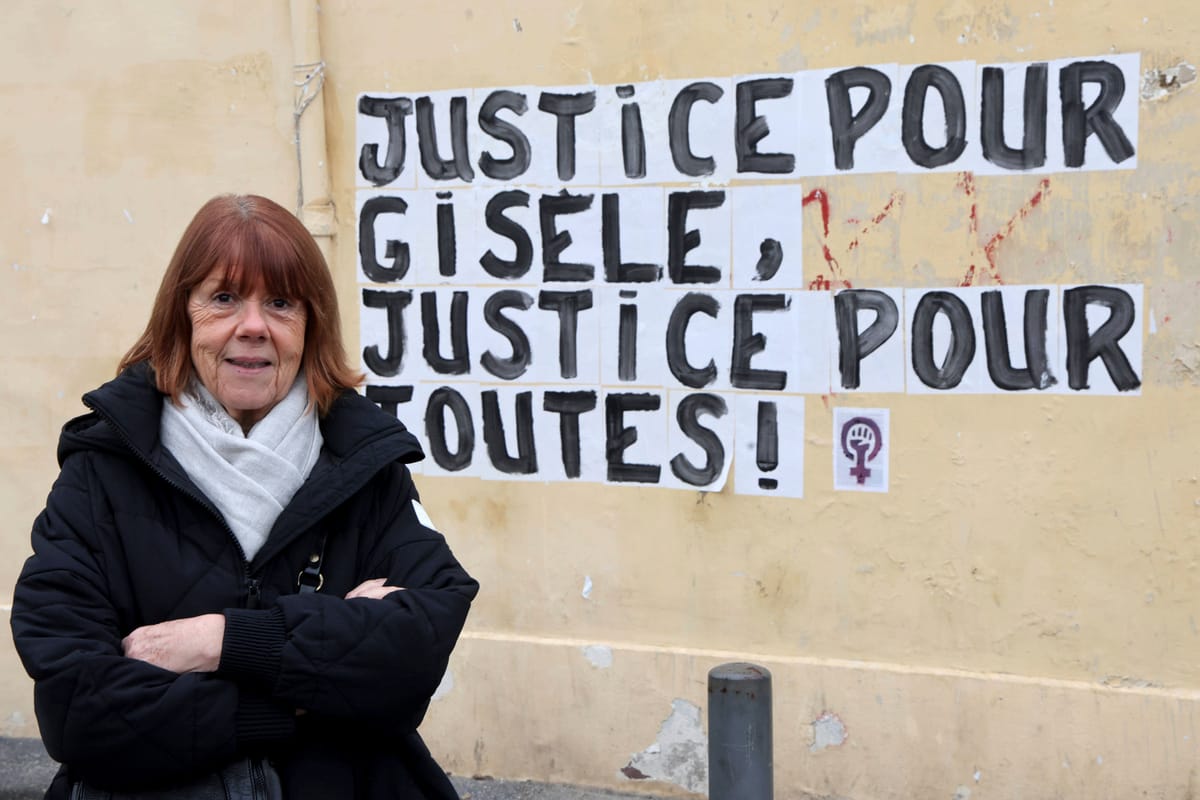
In France, increasing numbers of men are speaking out about violence against women.
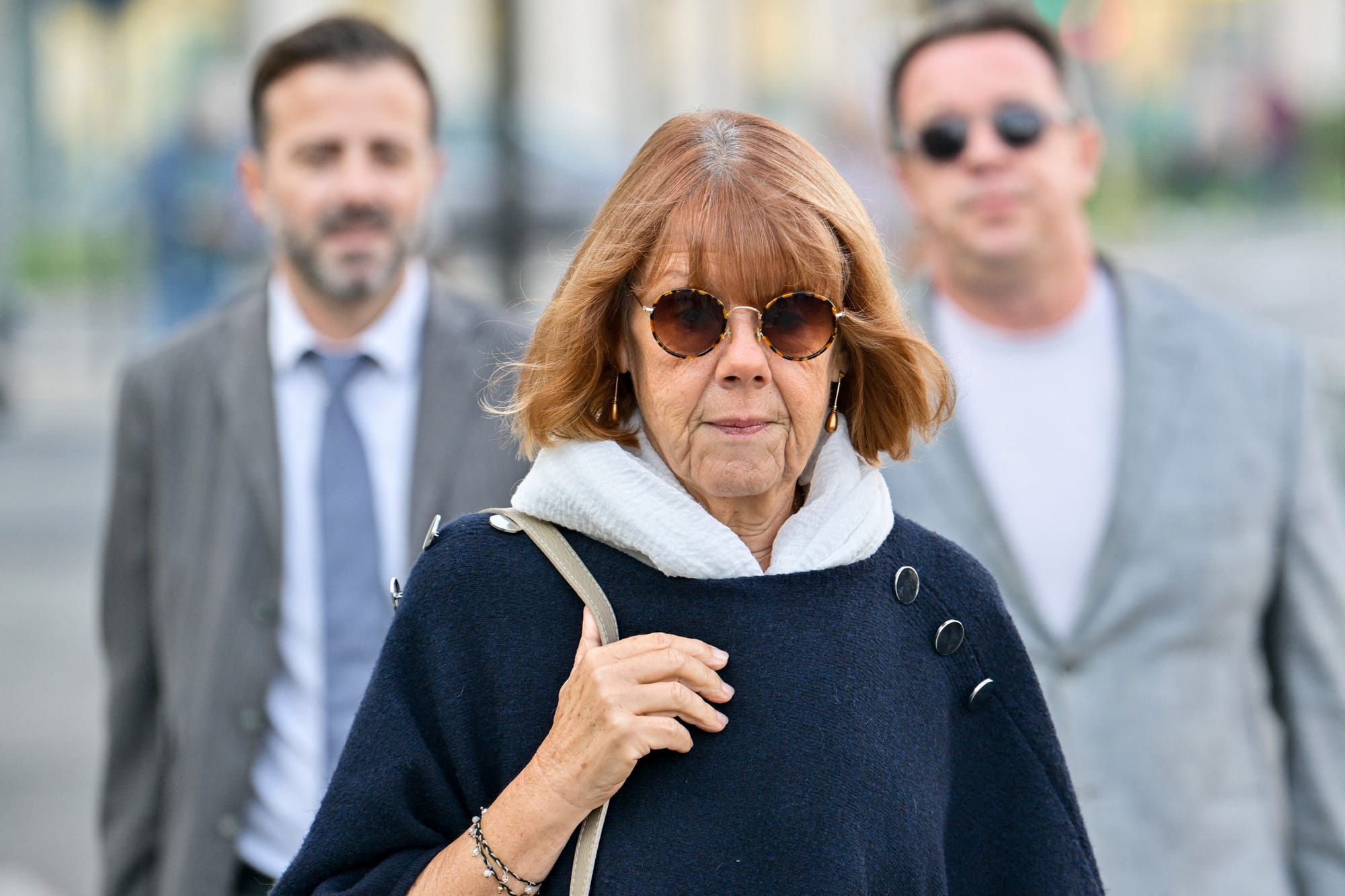
You may recall the Pelicot trial of 2024, in which Dominique Pelicot was found guilty of drugging and raping his wife, Gisèle, hundreds of times, along with 50 other men whom he had invited to his home to sexually abuse her. During the legal proceedings in Avignon, which dragged on for nearly four months, crowds turned up at the courthouse each day to support Gisèle. Bearing flowers, they applauded her as she walked through the lobby at the end of each grueling day, thanking her for waiving her right to anonymity and for shining a spotlight on not just her ordeal but on the experiences of all rape victims.
Noticeably absent from those supporters? Men.
Just over a year on, that has finally started to change—thanks, in large part, to Gisèle’s eldest son, David Pelicot, who teamed up with UN Women France (ONU Femmes France) to underscore a critical point: 92% of sexual violence against women in France is perpetrated by men, according to government statistics, women cannot put an end to rape and other forms of gender-based violence on their own.
Addressing societal indifference
During the trial of his father and the other assaulters, David Pelicot was disturbed to see how few of those speaking up for his mother were men. His family hadn’t sought the limelight, but the global media coverage of the proceedings had thrust them there. David Pelicot decided to use his newfound prominence to address widespread societal indifference about sexual violence and the impunity with which men have been able to act. “I quickly realized that this couldn’t just be a news item, that it was really a social issue,” David Pelicot told a crowd at the UN Women France annual gala in Paris held in a ballroom at the Ritz, not far from the famous Hemingway Bar.
“Inaction is not neutrality; it is complicity.”
Waiters made their way among clusters of attendees, bearing trays laden with tall glasses of Champagne and hors d'oeuvres, as the organization’s executive director, Charlotte Saint-Arroman took the stage to announce a major shift for the group.
Thanks to David Pelicot’s engagement with UN Women France, the group has stepped up its efforts to engage men, she said. They took a major step in that direction with an annual op-ed that the group publishes on its website and makes available for the public to sign. The op-ed for 2025 which was written with David Pelicot’s involvement, was titled "The Silence of Men Must End" and called upon men to speak up against sexism; to hold other men accountable; and to teach young boys about consent, respect, and equality. “Inaction is not neutrality; it is complicity,” the op-ed stated. “Solidarity is more than not committing violence; it is actively standing against it.”
For UN Women France, it was a game-changer. In prior years, the signatories were more than 85% women. This time, nearly half the signatories were men.
“Solidarity is more than not committing violence; it is actively standing against it.”
“That is unprecedented,” Saint-Arroman told me a few weeks before the event. “We are moving from a population of victims raising their voices to a population of actors who want to take action against violence.”
As of mid-January, the op-ed had garnered more than 40,000 signatures, 10% more than last year.
To be sure, 20,000 men signing an op-ed calling upon men to combat sexism doesn’t exactly feel like a revolution, but in a deeply patriarchal country that is profoundly resistant to change, it’s not nothing either. Recent legal decisions, such as the actor Gerard Depardieu’s recent conviction on sexual assault charges and the addition of the notion of consent to French rape law, are indications that women are finally starting to make headway here. But for real progress in the fight against sexual assault to truly take hold, men must be involved.
'Well, why not us?'
What accounts for such a dramatic change in the course of a single year? Saint-Arroman credits David Pelicot. “I think that symbol was very powerful, and men wanted to stand up with him, to stand up alongside him and say, ‘Well, why not us?’” Saint-Arroman said.
David Pelicot’s actions paved the way for other men to come forward as well. Saint-Arroman thinks there are many who would have spoken up sooner, but they worried that they lacked legitimacy. The op-ed not only reassured men that they had a right to speak out, but gave them a framework for doing so.
David Pelicot and UN Women France enlisted 30 other prominent men in France —including actors, musicians, dancers, and sports figures—to serve as public ambassadors for the op-ed. They, too, posted on social media and made appearances on talk shows and spoke to the press. They provided a new definition of male strength, Saint-Arroman said. “Being a [strong] man… doesn’t mean crushing women. Being a strong man means being a man who respects women, who is confident enough to see a woman as a fully legitimate person, with the same rights and same opportunities, without them posing a threat.”
Men's overall involvement paid off quite literally, as well: Men contributed to the organization in far greater numbers this year than ever before. In 2024, they received 199 donations from men which accounted for 10% of donors, while in 2025, the number increased to 652, representing 20% of donors.
As with all UN organizations, funds donated to UN Women France are put toward education, research and advocacy.