Detroit’s New Mayor Plans to Give New Moms a "Prescription" for $4,500
As her inaugural act in office, Detroit’s new mayor, Mary Sheffield, announced a plan to give no-strings-attached money to pregnant women and those with newborns.

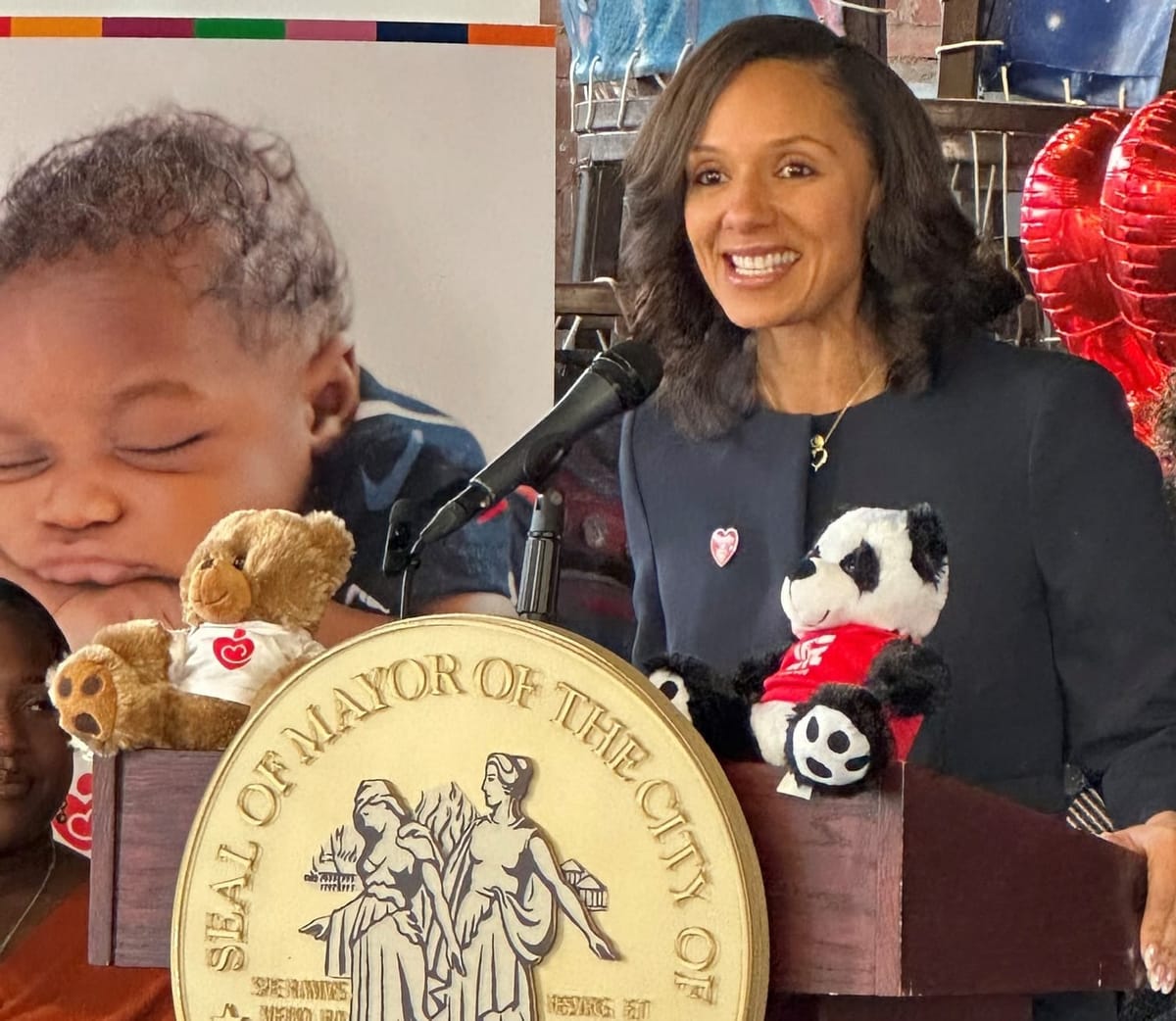
The first female mayor of Detroit, Mary Sheffield, had only been on the job for a few days before making her first bold move. On Monday, she announced that Detroit would become the largest city in the U.S. to provide direct cash payments to all pregnant women and parents of newborns, regardless of income, to boost families’ financial security and health.
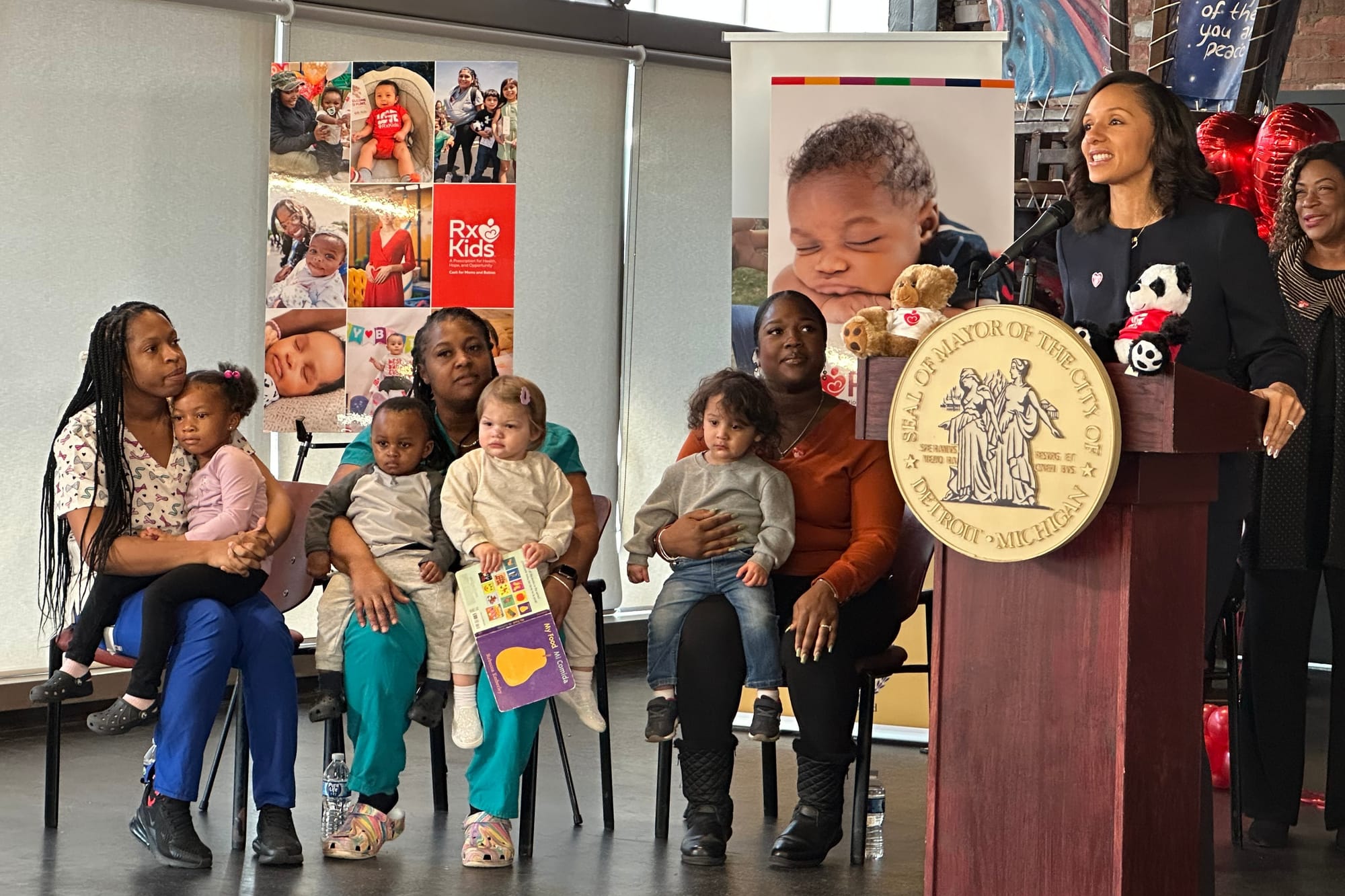
“Detroit has always been a city that leads with heart and courage, and today we are once again setting a national standard by ensuring that every mother has real support, and every baby has a strong start,” said Mayor Sheffield at a press conference announcing the program. Pregnant women will initially receive $1,500. After giving birth, the family will receive an additional $500 a month for the first six months of the baby's life. Sheffield promised that the payments will start within the first 100 days of her administration.
The no-strings-attached cash payments are part of Michigan’s Rx Kids program. The program, funded with $250 million of state government, public and private donations, began in 2024 in Flint, Michigan, and has expanded to 12 other Michigan communities. To date, it has provided more than $20 million to nearly 5,000 families.
Detroit is in particular need: Seventy-two percent of families there are supported by a single parent. In 2023, residents earned an average household income of $39,575, which is significantly below the state-wide average of $72,000 and the national average of $83,000. As a result, nearly half of Detroit's children are living in poverty.
Research shows that after the birth of a child, a family’s income drops significantly, especially for single mothers. Blame those reduced earnings on the need for new mothers to take time off from work, plus the increased household expenses that a baby brings. For many families, poverty spikes right before a child is born and remains high throughout the baby’s first year of life, causing family stress that can negatively impact a child’s development.
While similar programs in California, New York, Connecticut, New Jersey and other states offer some form of direct cash assistance to pregnant women and new mothers, many have low-income requirements or a cap on the number of participants. Michigan’s program is the largest and most inclusive in the country, and Detroit, in turn, is the biggest city offering unconditional payments.
Of course, $4,500 is just a small drop in the ocean of expenses associated with having a baby. The average cost of giving birth in the U.S. (with insurance) is around $3,000 (and up to $50,000 or more without insurance). The average cost of essentials (crib, car seat, diapers, et al) for the first year of a baby’s life is more than $16,000.
In the face of those numbers, help can’t come soon enough. As Mayor Sheffield said, “Too many of our children are entering life’s journey burdened by financial hardship before they even take their first steps. That reality to me is unacceptable and it demands bold and compassionate action.”