Everything the Finance Bros Don’t Want Women to Know About Money
Amanda Holden’s new book ‘How To Be a Rich Old Lady’ unpacks perpetually confusing financial concepts.

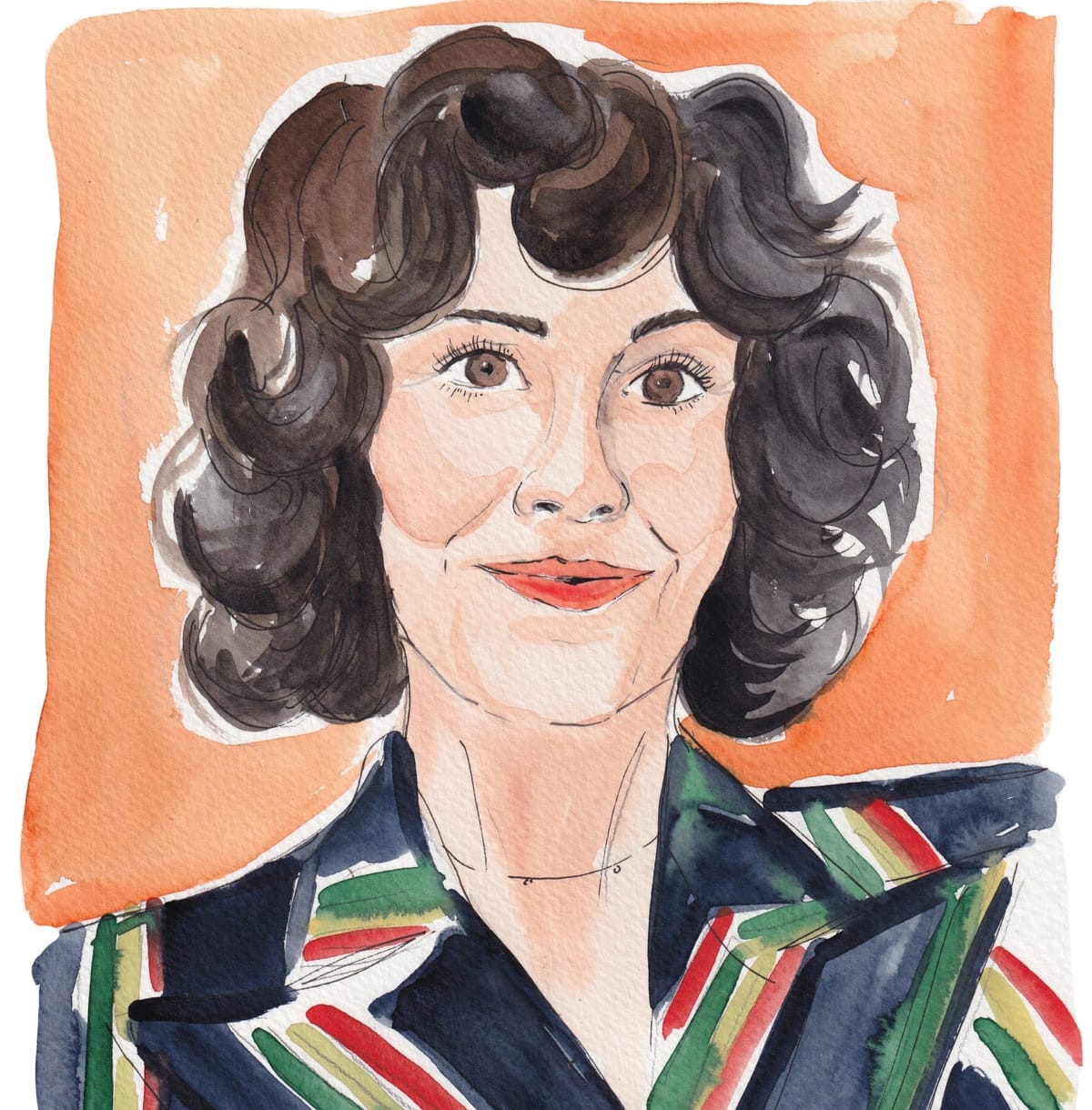
Amanda Holden started her career in investment management in 2008 during one of the most tumultuous times in modern financial history. Working on Wall Street during the financial crisis ended up shaping her later approach to money management advice. She witnessed firsthand how the financial system is designed to feel exclusive, confusing, and overwhelming.
Disillusioned with ”helping rich men get richer,” as she tells it, Holden decided to dedicate her career to empowering women to successfully secure a financial future of their own. She left her finance job in 2014 to launch Invested Development, a financial education company offering workshops and courses.
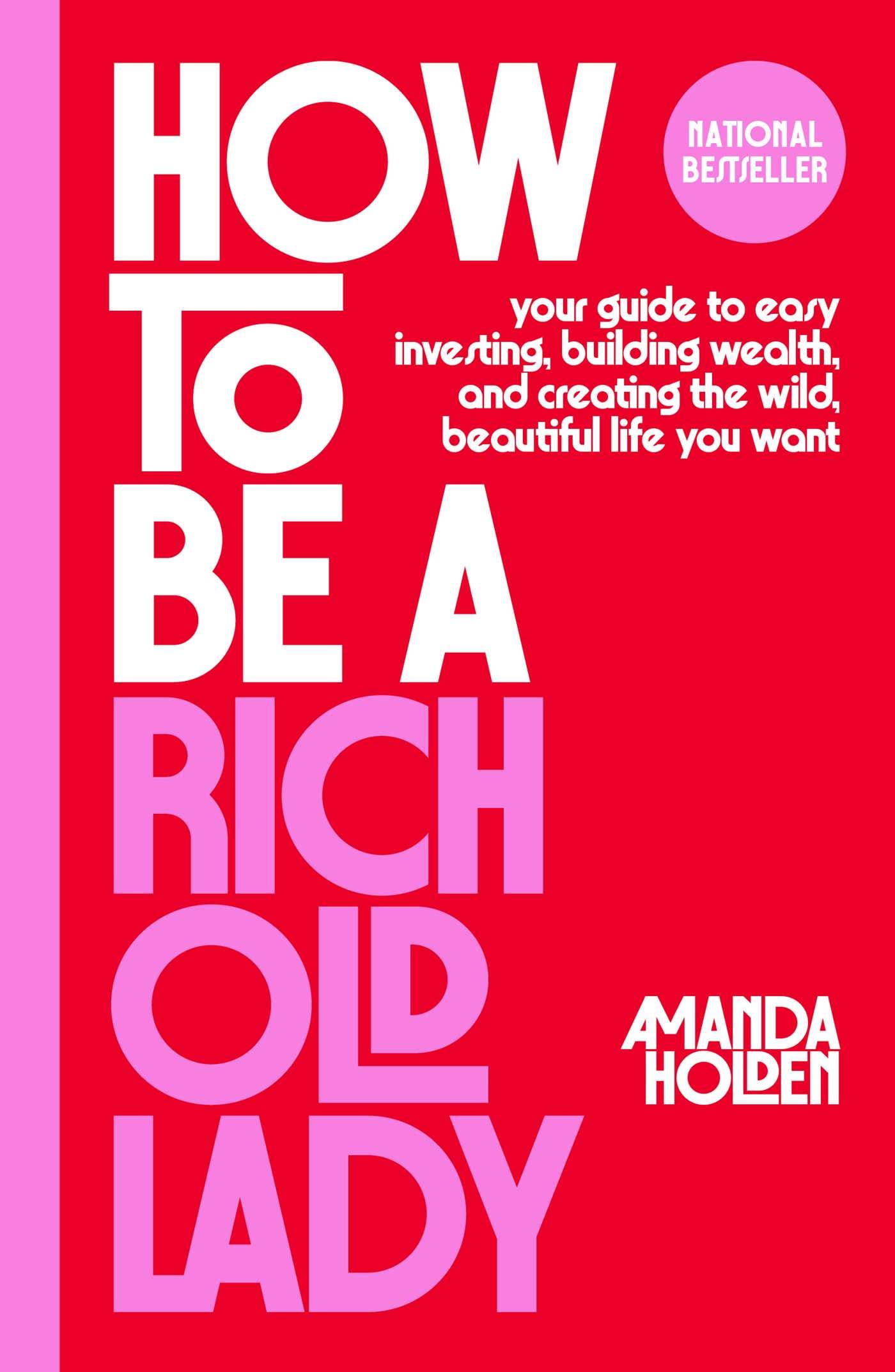
Just over a decade later, she published her book, “How to Be a Rich Old Lady,” which came out in January. The practical guide aims to make financial literacy more accessible and inclusive to women and anyone else who’s traditionally been left out. The advice and concrete explanations are culled from the most commonly asked questions by the thousands of people who have taken her workshops.
From prenups to retirement plans—we tried to get to it all! Our conversation has been lightly edited for clarity.
What does it mean to be a ‘rich old lady’?
I don't expect readers to naturally care about index funds, but I want them to understand that money is a tool for building a life that is more secure, and that money can provide options. [So “Rich Old Lady”] is an avatar—a financially independent person who readers can visualize and strive to be.
What should middle aged and older women, who may be a little more established financially, be thinking about?
Many of us contribute to our [retirement accounts like] 401(k)s and Roth IRAs because we understand, at a high level, that this is what we need to be doing.
But a lot of folks think of retirement plans, as if somebody's got a plan for you. [In fact] these accounts are a vessel for investing in capital markets, specifically stock and bond markets, and it’s helpful to understand them.
Everyone should look at their retirement accounts to see if they are being actively managed. Active management means that professional portfolio managers are choosing what stocks, bonds and other securities to buy, hold or sell on your behalf. They charge a fee, and even a 1% investment management fee can amount to a very high bill in the long run. Passive management generally outperforms active management.
So Even if you are doing all of the right things and contributing to your 401(k), you could be losing several percentage points every single year by not understanding the products you're using. Those percentage points may not seem like a lot in any one given year, but just as returns compound over time, so do fees and so does under-performance.
What should we do in moments of extreme market volatility?
Anybody who was not invested during 2008 probably does not understand just how bad markets can get, and therefore how bad the performance of a [retirement fund] can look. When the world around you and the economy is in a panic, it can lead you to make all the wrong decisions. The worst thing you could have done at that moment is to sell, but so many people did.
Why does money and investing feel so closed to women in particular?
Women are still playing catch-up when it comes to participating in these systems.
One of my least favorite personal finance myths is that women don't take investing risks because they are scared, or because our tiny girl brains are filled with glitter. Investment risk-taking is a function of income. Research indicates that you get less scared about investing when you are on stable footing, when you have money to invest. The people who get to take big financial risks are those who already have some financial stability. For a lot of women, that has never been the case. Women have been economically repressed for centuries. Women, for a long time, were discouraged from working outside the home. Women-dominated fields pay less and even in the same professions the gender pay gap is persistent.
So it's a fight to even have enough money just to be included in these conversations.
And when you don't know what you should do with your money, you're going to lean on the help of traditional financial advisors. Those advisors collect fees to manage your money for you rather than help you understand how to manage it yourself.
A lot of women’s financial security is tied to their husband’s income. Men still tend to earn more money while women tend to take on more unpaid labor at home. What should married and partnered women be thinking about in relation to building their future wealth?
We often think about prenups or postnups as just about splitting assets, but they also play a crucial role in securing income, especially for women who end up stepping out of the workforce to have children.
Divorce can financially ruin women. Even if they get half of the marital assets, that’s not necessarily an equitable split. If a woman left the labor force during the marriage to raise the kids, she’s missed out on career advancement. She might not have gained new professional skills. She might’ve lost her professional networks. All of those things might make it harder for her to earn income in future.
The hardest situations I see in my investing courses are women who just got blindsided by a divorce in their 50s, 60s or 70s and who have never participated in their household’s finances. They are scrambling to learn for the first time.
Investing can't make something out of nothing, so we have to do everything in our power in our earlier years to be involved and understand the mechanics of our finances.
What’s the biggest money mistake women make?
The most common refrain I hear from women in my courses is, I wish somebody had taught me this earlier. So many women believe finance is outside the realm of their capacity. And it's just not true.
There is a learning curve upfront, but there are also ways to understand and participate in finances that are totally easy, that are automated, so you can get your [life] set up and move on.
“How to Be a Rich Old Lady: Your Guide to Easy Investing, Building Wealth, and Creating the Wild, Beautiful Life You Want” by Amanda Holden is on sale now.