'No One’s Dreaming of a Day When Women Would Be the Default.'
The comics in Aubrey Hirsch's new book, "Graphic Rage," blow the lid open on the indignities in women’s lives and push back, one small rebellion at a time.

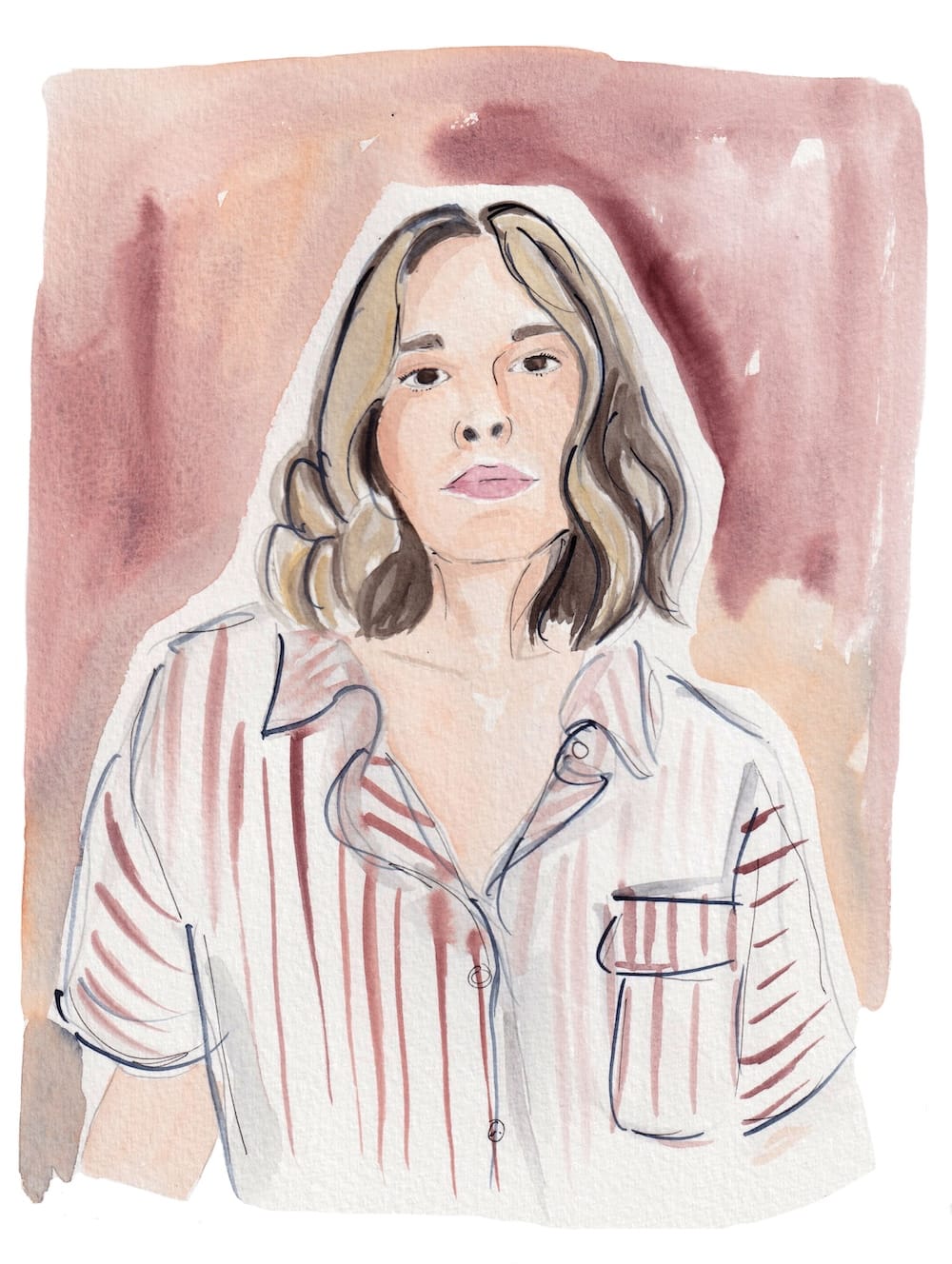
It’s hard to read Aubrey Hirsch’s new book, “Graphic Rage” without feeling, well, enraged—or at least, very, very pissed off.
With nearly 30 comics bearing titles like “Women are people believe it or not,” Hirsch has put together a chronicle of life as a woman in America today. The whole thing is dishearteningly, heartbreakingly relatable.
Hirsch expertly puts her finger on the myths and indignities of modern womanhood, including the idea that breastfeeding is “free” and that women, like milk, have an “expiration date.” But while “Graphic Rage” gets very dark in places—because life for women in the U.S. has become quite dark—you’ll also, as I did, find yourself laughing out loud, even if it is through gritted teeth.
As a child, Hirsch was always “making things,” but, as she tells it, she was never the kid in class who was the great artist. And so she never thought of herself as an artist in a real way. Instead, she had dreams of becoming a writer. “I had great ambitions,” she explains. “I wrote a book of short stories and I would write essays as well.” While teaching fiction, she found herself drawn to the cartoons in literary magazines. “I thought, 'wow, I’m going to try that. And I did. And I fell in love.'”
The Persistent sat down with Hirsch to discuss her work, the importance of humor, the f-word (feminism, if you please!) and the deeply entrenched structural cultural norms that seem to make life worse for everyone—but particularly women.
Buckle up.
Our conversation has been condensed and edited.
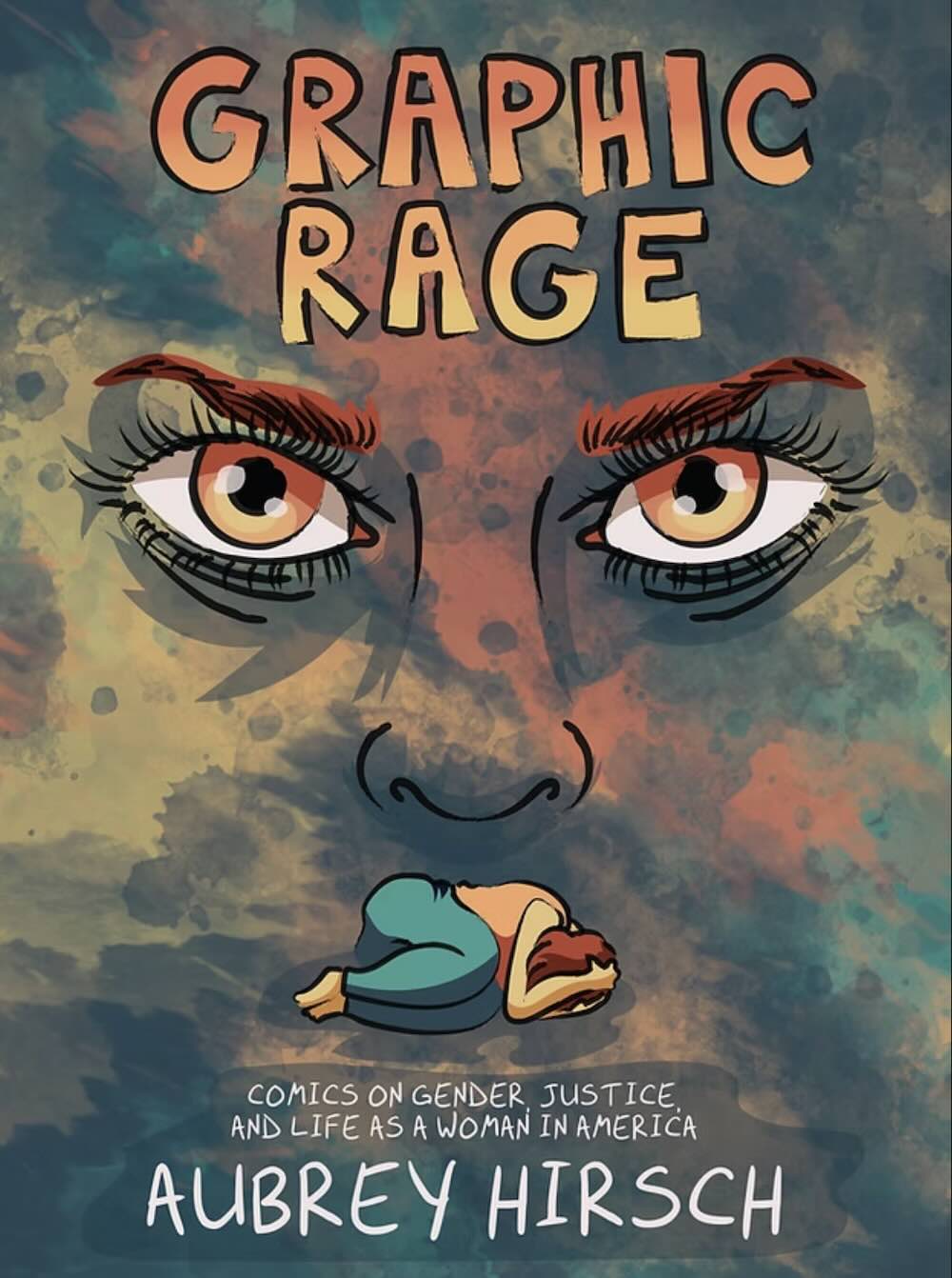
Let’s start with the first section of your book, “It’s a Man’s World.” Tell me about it.
The first part is about all the frustrating experiences of being a woman. You know, the way your body parts get talked about; why your pants never fit; why people think women aren't funny—still, after all this time.
Are we living in a man’s world?
In a literal way, women are navigating a world that's designed by and for men. It was not until the 1990s that you had to test drugs on women [and minorities], for example. So much of the science of medicine takes into account only a man's body; it never works the other way around. Then there’s seat belts on cars; and specialized equipment like masks or safety gloves—all of that stuff is built for men.
But there are things we can do—say, microfeminism?
Sure, like use the word ‘congresswoman’ as a gender neutral, or call someone a male congresswoman.
But no one’s even dreaming of a day when “women” would be the default position. Which is why one of my favorite acts of resistance is to say, when someone's talking about sports, “Oh, I'm sorry, you're talking about men's soccer?”
The second section of the book, “Living in a Legislative Body,” is mostly about reproductive rights, yes?
That's a big part of it. That my mom had bodily autonomy, and now I don't, is jarring.
It's really hard for me to listen to [politicians], mostly men, who don't know science, don't understand basic reproductive biology, and [pregnancy] is something they will never have to face in their lives. It makes me feel humiliated. It makes me feel very, very small. And it makes me feel like less of a person. It just really wears me down.
You have been outspoken about what it was like to be pregnant in a post Dobbs world. Tell me about that.
I have three kids. I had two during a time of having bodily autonomy, and then I got pregnant again after Dobbs, and that was a really different experience. At one point, early in the pregnancy, I went to South Carolina for a family reunion. Before I went, I had to look up the nearest [out-of-state hospital] that I would feel comfortable going, if there was an emergency.
I found a hospital in North Carolina—a different state—and printed the location out on a map and gave it to my partner and said, “If anything happens, this is where we're going.” That is absolutely horrifying; to be thinking about your rights in terms of where you happen to be at any given time.
OK, next section—“Tolerating the Intolerable.” What is “the intolerable?”
It’s sexual assault, harassment, online harassment and online sexual violence. I think we've normalized a lot of stuff. I have a comic in the book about the scourge of what I call everyday casual sexual assault—the person who grabs you in a bar, or feels you up in an inappropriate way.
Because your body's not yours? Like, it doesn’t belong to you?
Right. And we are just expected to take it, to absorb it, because if we called the police every time we were casually sexually assaulted moving through a crowd or on an airplane, they would do nothing but [spend all their time responding to those calls]. The whole system would grind to a halt.
But if you do speak up, that sets off this domino effect.
Totally. During MeToo, when any woman came forward with a story, that became the story. Why is she doing this? It's going to ruin this guy's life. Was it really that bad?
As a woman, you can either speak up and open yourself up to whatever scrutiny is going to come your way, or you can conceal what's happened to you, and therefore empower [the abuser] to continue doing it. That's a really difficult decision to make and there's a lot of consequences either way.
So. True. I think women are conditioned to protect others—companies, men in power.
I think we protect others because we're really protecting ourselves. The only way to protect ourselves from the consequences is to protect the bad actors around us. That's messed up, but that's where we are.
OK, now let’s get to the ‘joyful’ part of the book—“Fighting Back.” What’s this all about?
These are things you can change in your own life, starting today. It’s things like yelling back at people who yell at you on the street, which has improved my life tremendously.
It’s saying “no” at the doctor's office: When you're asked to put on the paper dress when you have a rash on your arm, you think, Hmm, I don't think I'm gonna do that. No thank you. In my experience, it really makes a difference.
There are other little things I do that nobody else would know are acts of resistance. I used to go to the beach with my kids and I would find myself sucking in my belly. I’m trying to de-program little things like that.
Can you though? I mean, these habits are pretty entrenched.
Well, it takes some thought, but the more I do it, the more I can relax and it feels better. If I go to meetings without makeup, that makes me feel more comfortable without makeup. Now when I do wear makeup, I'm doing it because I want to and it doesn't feel like a chore.
The truth is, nothing’s really going to happen when you take that stand. If you say no to the paper dress at the doctor’s office, [the nurse] will say, “OK,” because it's not that big a deal.
Let’s talk about the F word—feminism. Even people who I know are feminists don't describe themselves that way; they don't want to be thought of as feminist. What’s your take?
It's appalling that feminist is even a word we need in our vocabulary. There shouldn't be a word for it. There should only be its counterpart, misogynist. The amount of times I've been asked in interviews about being a feminist, when it should be the other way around! We should ask people, “What made you a misogynist?” That should be the conversation we're having.
If you're not identifying as a feminist, you either just have a misunderstanding of what it is or you are an a$$-h*le.
And if you're for women's equality, except when you feel threatened by it, then you're not for women's equality.
In “Graphic Rage,” one comic in particular, “What I Was Wearing,” stands a little apart from the others. Tell me about that one.
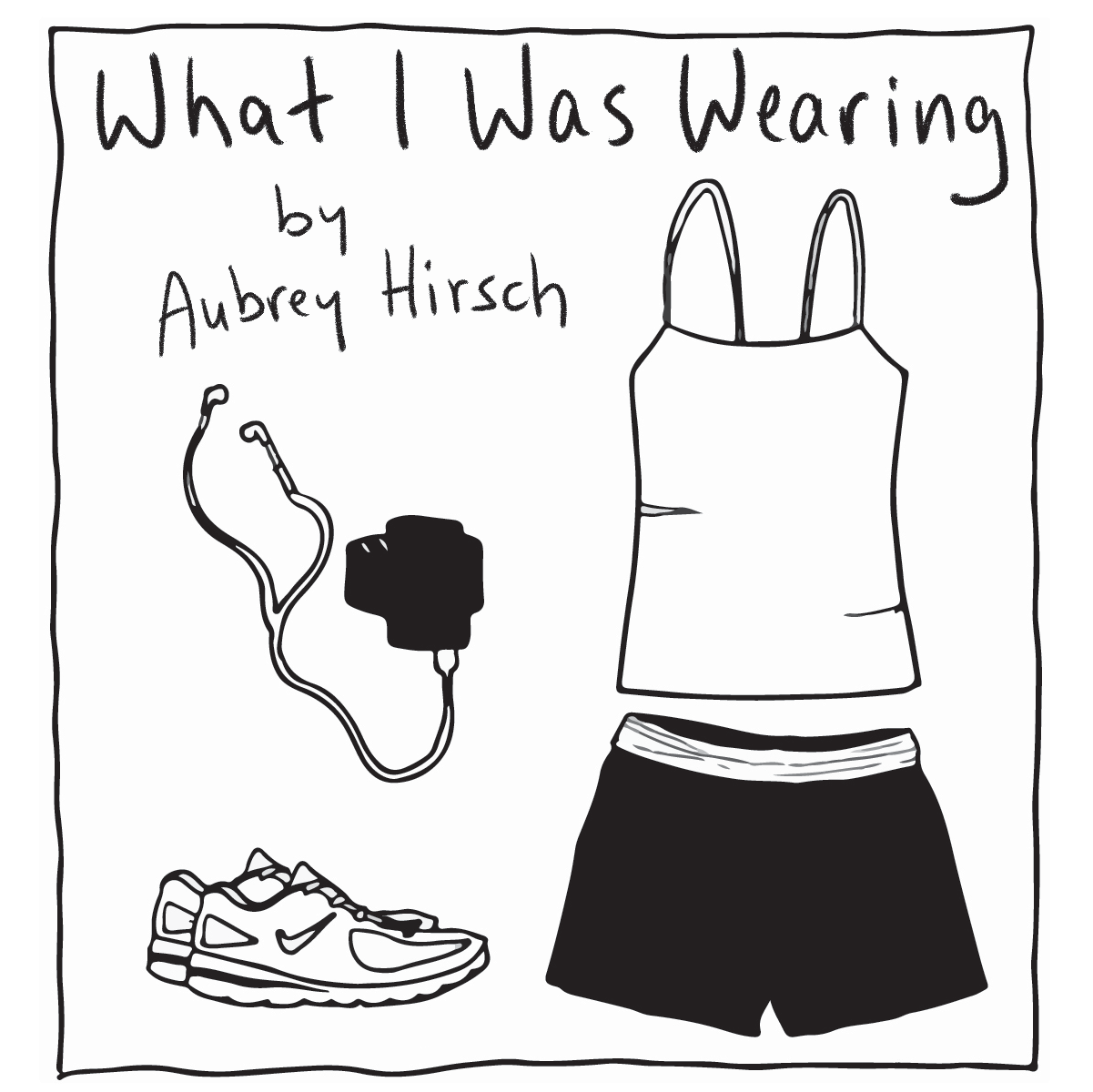
It doesn't have very many words. It just has the title, and then there are pictures of outfits and a quote of what someone said to me when I was wearing it. The outfits go progressively back in time from the most recent to the gym clothes that I wore in elementary school.
You can be wearing something revealing and clubby or you can be wearing your elementary school gym clothes, either way, you’re going to get unwanted attention from men, and it's going to start really early and it's going to shape the way you feel about yourself and your place in the world.
I made this comic right at the beginning of MeToo. It was such a big moment: The floodgates opened and all of these things that had been normalized and we'd been expected to absorb—suddenly, we could speak about them to each other. It was so validating.
There’s another comic in the book that looks at how women’s clothing sizes are so weird.
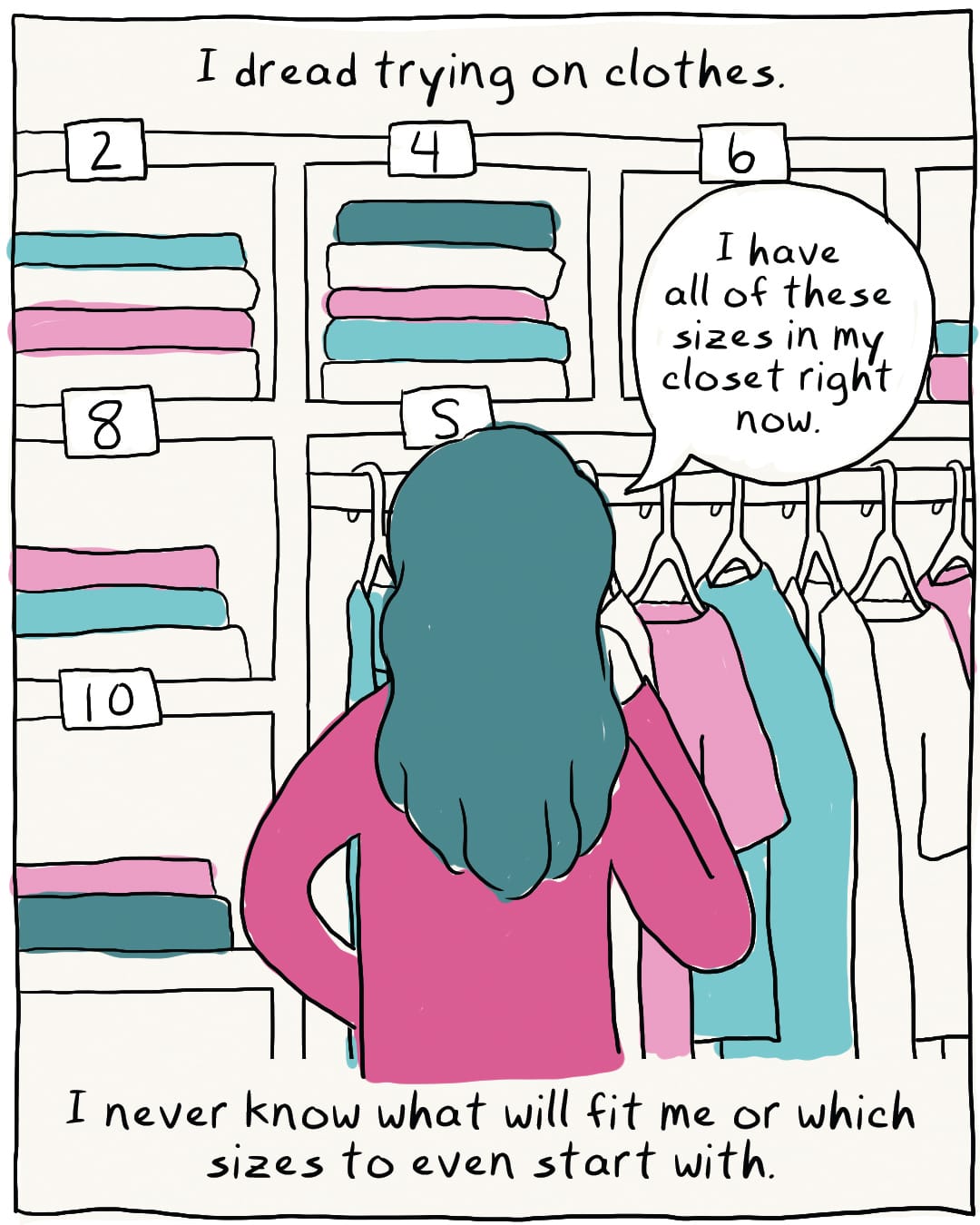
This is something women talk to each other about all the time—the fact that when you go to a fitting room you have to take, like, five sizes in with you. Sometimes I'll go to a clothing store and I'm a 2 and sometimes I'm a 10. Men's pants are not like that. There are two numbers; waist and length, with maybe some variation.
I always wondered why it can’t be like that for women's jeans. And it's because while men's clothing sizes [mostly] account for size, for women, it's about shape. And your waist and your hips are not related to each other in any mathematical way.
As soon as I knew this, I was so excited about it, I wanted to tell everyone.
Comics are such a great way to tell a story, especially when the story is heavy, because they are often funny, and women are funny…
Women are funny. I say that often about this book. I don't think having my bodily autonomy stripped away is funny, but I think I'm funny.
You can buy "Graphic Rage" by Aubrey Hirsch here.
Francesca Donner is the founder and editor-in-chief of The Persistent. She is working on giving herself some grace. And also reading more.
 Hyesu Lee
 Aubrey Hirsch