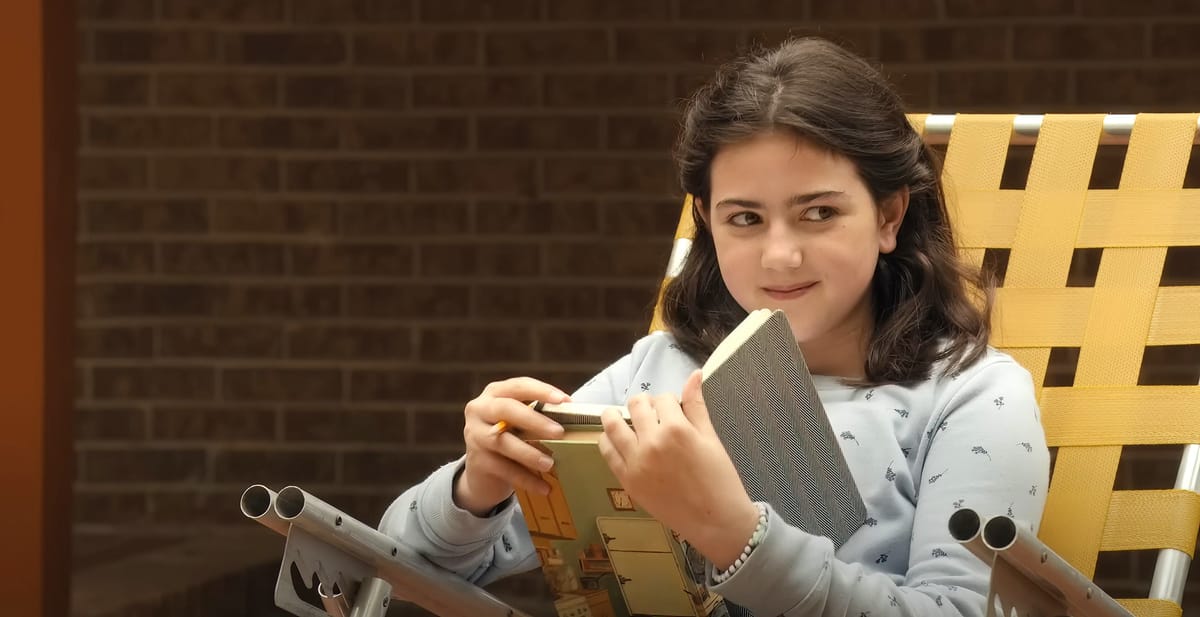
How We Are Celebrating Love Beyond Valentine’s Day
These unique films, books and TV series and more embody all forms of love everyday of the year.

Valentine’s day, like many popular holidays celebrated in the Western world, has complicated origins. It started in Ancient Rome as a festival called Lupercalia that involved pagan rituals including the sacrifice of goats and priests whipping women to promote fertility. Then came the Christian martyr Saint Valentine around A.D. 270, believed to be a priest executed by Roman Emperor Claudius II for marrying couples in secret to spare men from war.
Skip forward to the 14th and 15th centuries, when St. Valentine’s Day became more popularly associated with romantic love, thanks in part to Geoffrey Chaucer's poetry. Valentine’s cards didn’t come on the scene until the 19th century and, like many holidays, at least in the U.S. it ultimately evolved into the consumer-driven celebration marked by jewelry ads, stuffed bears, and hard to get dinner reservations.
And yet, most of us know that love shouldn’t only be celebrated once a year by spending money. We also know that love comes in many forms beyond the romantic, including love between friends, with family, for our pets, and self love. That’s why we decided to skip the flowers and chocolate (but if you love those, go for it) and instead asked our contributors what puts them into a love mindset.
Their suggestions make it easy to celebrate the unique and complex ways humans love on February 14 or any time of the year.
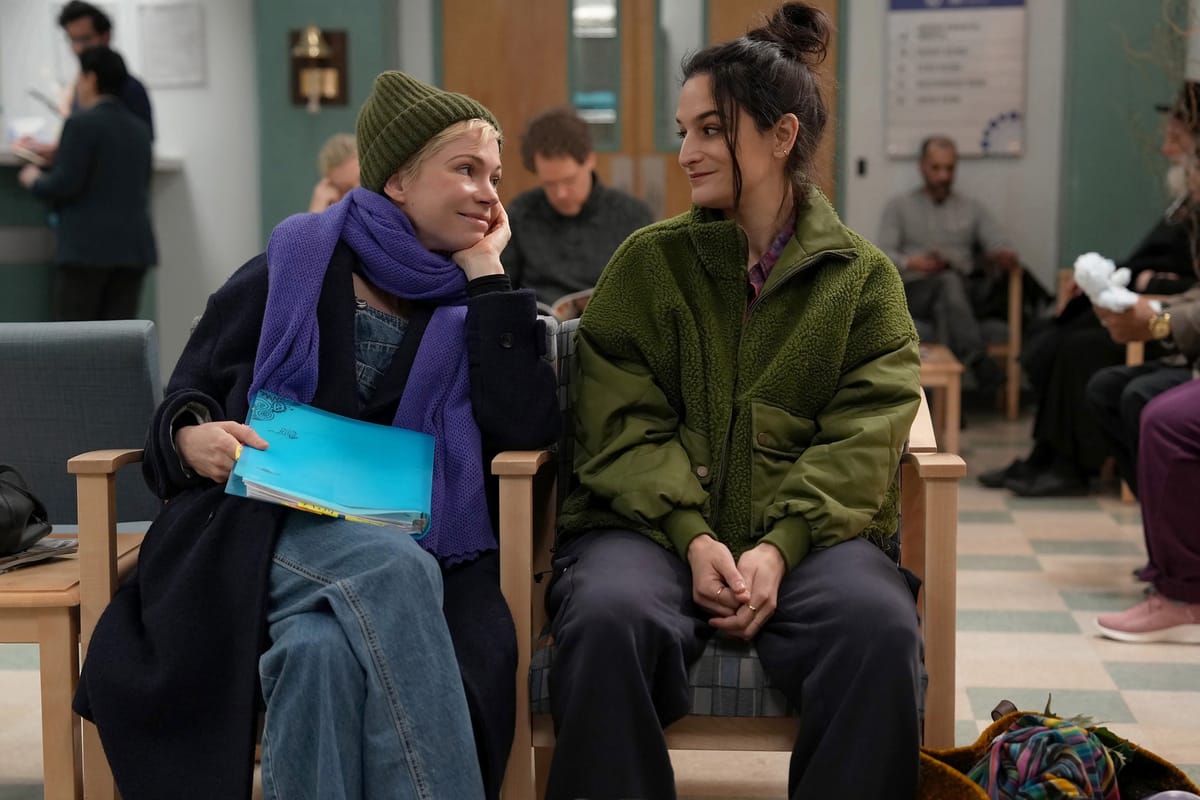
The friendship love story in Dying for Sex (streaming on Hulu) brought me to my knees. There is a scene at the end, after the death of the main character (played by Michelle Williams) where her best friend (played by Jenny Slate), who had become her caregiver and companion, spots a set of elderly friends walking together. The heartbreak in her face when she realizes that she won't get the chance to grow old with her best friend is devastating.
— Molly Dickens, contributing writer
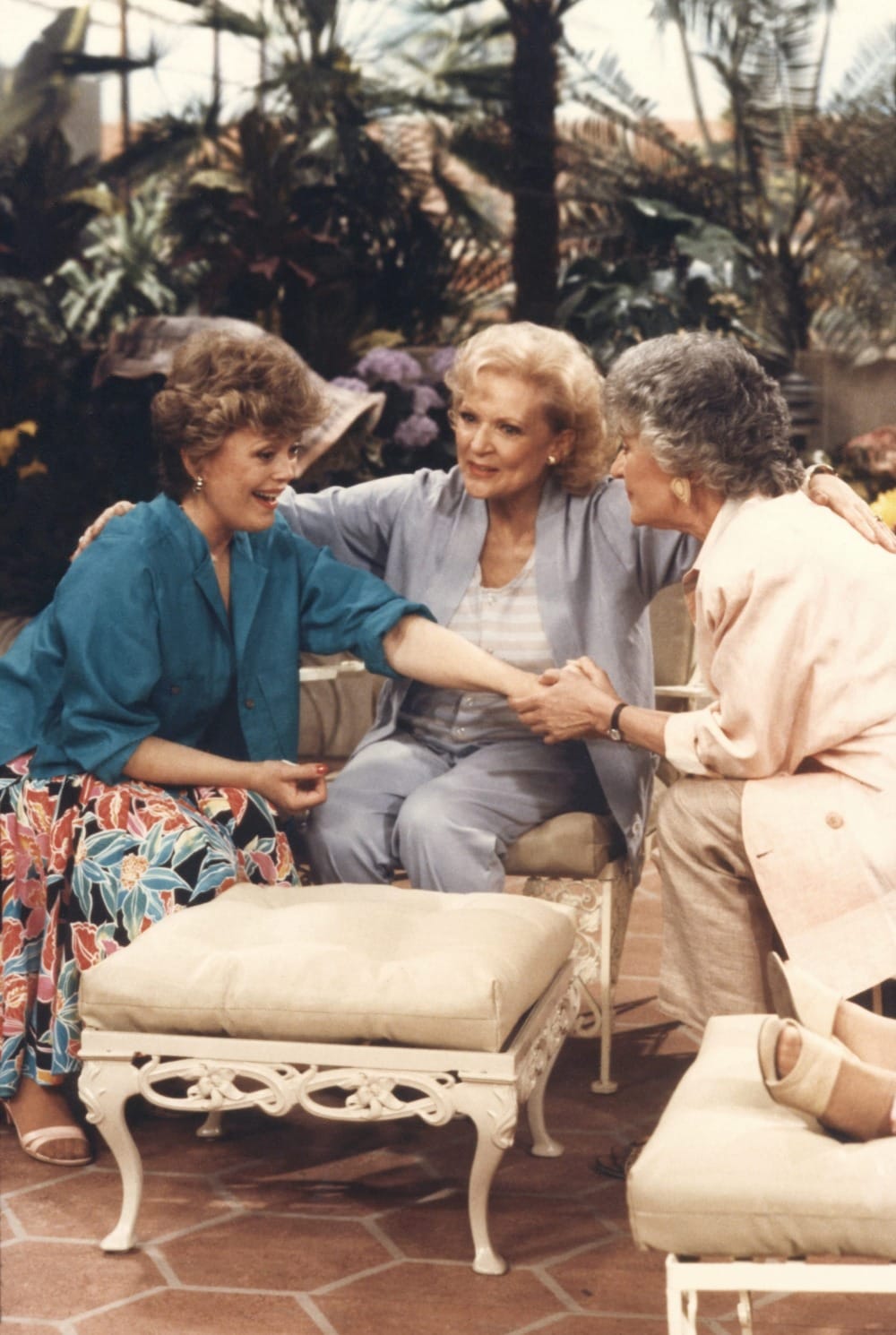
Long before Sex and the City celebrated a glossy version of female friendship or Lesile Knope celebrated Galantine's Day on Parks and Rec, there was the iconic depiction of the deep bonds between women in Golden Girls. The sentimental and campy sitcom of the 1980s remains a steadfast comfort watch for me. It’s also become shorthand for ultimate life goals among many groups of women I know. When men disappoint or frustrate us, the common refrain is: “Maybe we should just all live together like the Golden Girls.”
— Kathleen Davis, executive editor
My comfort film, the one I have watched at least twenty-five times, is When Harry Met Sally. Nothing has ever come close, and when I found my own Harry, three and a half years ago, I wept.
— Deborah Copaken, contributing writer
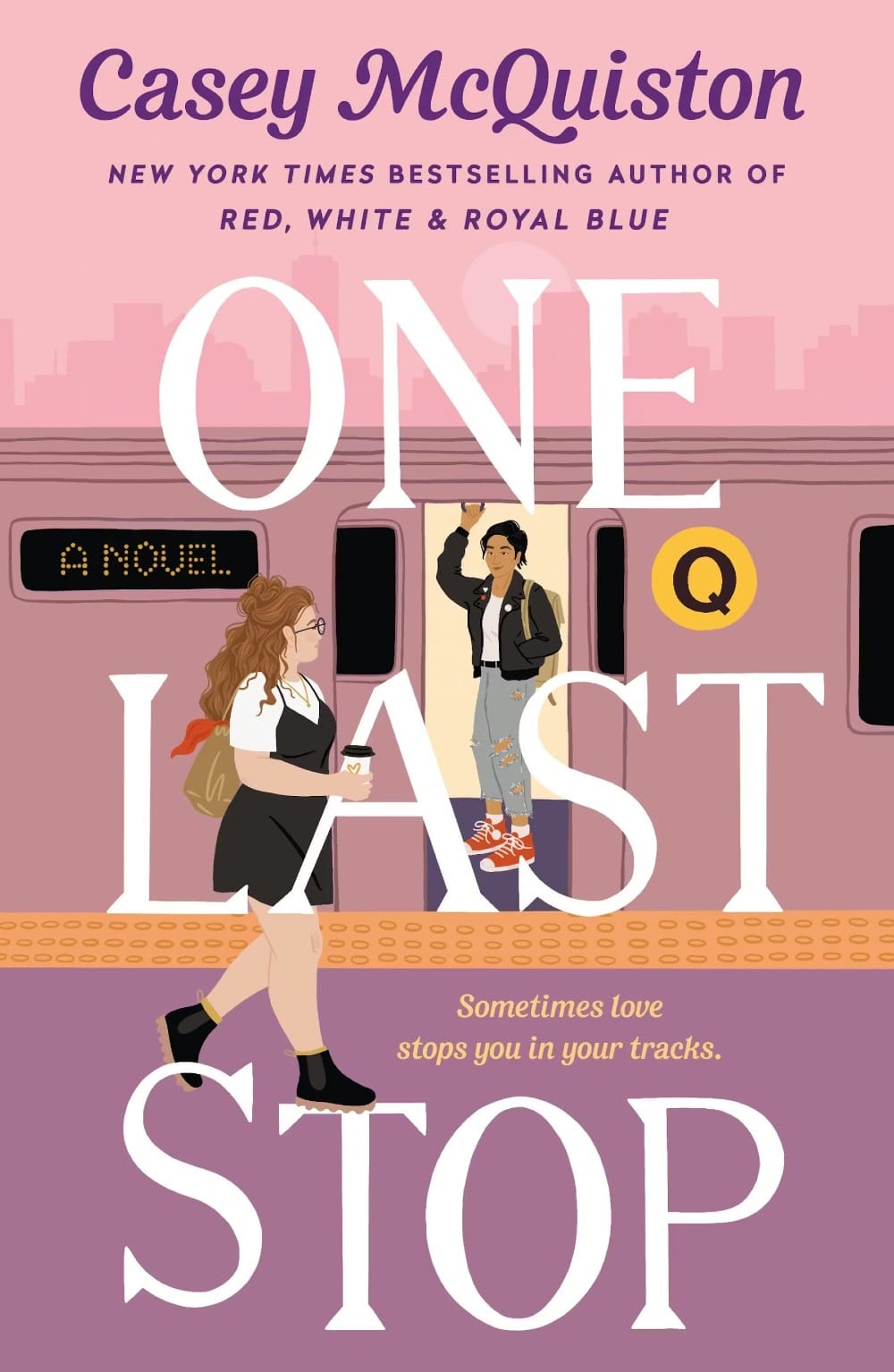
"One Last Stop" by Casey McQuiston, features a love story with an unpredictable time twist between two New York City women. I came for the queer romance but stayed for the time traveling!
–Han Goldstein, social media editor
The most romantic movie I've ever seen is the classic from 1985: A Room with a View. I love the moment when Helena Bonham Carter, who plays the character Lucy, throws over the priggish Cecil (played by the very UNpriggish Daniel Day Lewis) for the passionate George, played by the late Julian Sands, just as the viewer is hoping she would all along. And then, of course, there are those views of Florence and the Tuscan countryside. What could better embody love than that?
– Paula Derrow, features editor
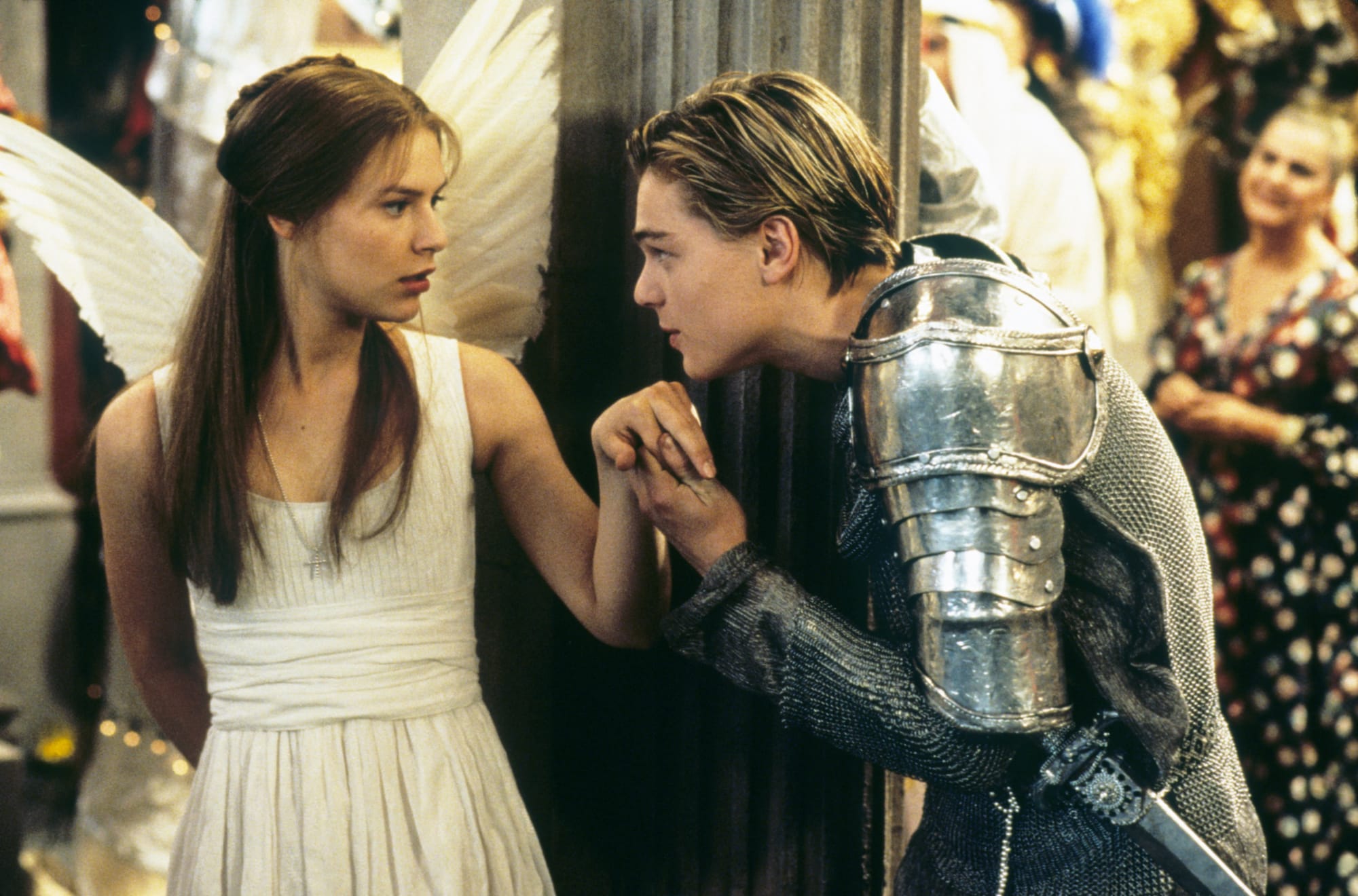
Baz Luhrmann’s Romeo + Juliet is a glorious, sexy film. I’ll never forget how it made me feel when I first watched itI was completely enamored by the portrayal of rebellious, unbridled love (and by Leonardo DiCaprio, of course). Now the movie feels like such a cultural milestone, one that makes me nostalgic for the pop culture of the late 1990s.
-- Gabriella Griffith, contributing writer
The entire emotional engine of the film Braveheart is not conquest or glory, but grief. William Wallace doesn’t begin as a hero hungry for power; he begins as a man trying to live quietly with the woman he loves. His rebellion is sparked by loss, fueled by devotion, and sustained by memory. The film argues that love – romantic love, love of home, love of freedom – can be the force that turns an ordinary person into someone history remembers.
-– Brianna Holt, contributing writer
When I was in my 20s, my dad gave me a copy of Thomas Merton's prayer. He’d hand-typed it on an index card when he was a young man, and had carried tucked in his wallet for decades — as I did when he gave it to me. I lost that index card when I left my wallet on a train. But I look up Merton's words all the time. I’m not religious but his embrace of uncertainty, and his struggle for faith – woven into about 150 words – buoys me, brings me peace and reminds me of the deep love and friendship I shared with my dad, and that I still carry with me.
– MP Dunleavey, contributing writer
What says love to you? Send your recommendations to hello@thepersistent.com. We’ll be back with more recommendations next Friday!
More You Might Like
 The Persistent
 The Persistent
 The Persistent