'I'm Not Certain that I'm Done'—Five Olympic Athletes 40 and Over Defying Expectations
What a thrill to see women of a so-called “certain age” competing at the Olympics ignoring every naysayer in her way.

I tried snowboarding for the second time this winter. The first time, when I was 19, I remember thinking (with the kind of hubris only a teenager can possess) “This is easy, I’m a natural.” Trying it again decades later, was a very different story. I fell down a lot and was remarkably sore the next day. While I’m not particularly sporty, I, like millions of others, have enjoyed watching the best athletes in the world compete with superhuman speed, and perform their jumps and twirls and even backflips at the Milano-Cortina Olympics.
But let’s be honest, the Olympics are pretty much the domain of the young. Just over 1% of all alpine skiing medalists are 35 or older, and in bobsleigh, only 3% of all medalists have been 40 or older, according to data compiled from the first Winter Olympics in 1924 through 2022. Which is precisely what makes it even more exciting when we see competitors—admittedly just a small handful—in their 40s and 50s. What a thrill to see women of a so-called “certain age” competing, winning and, yes, losing too; ignoring every naysayer in her way.
Here’s a look at five of them.
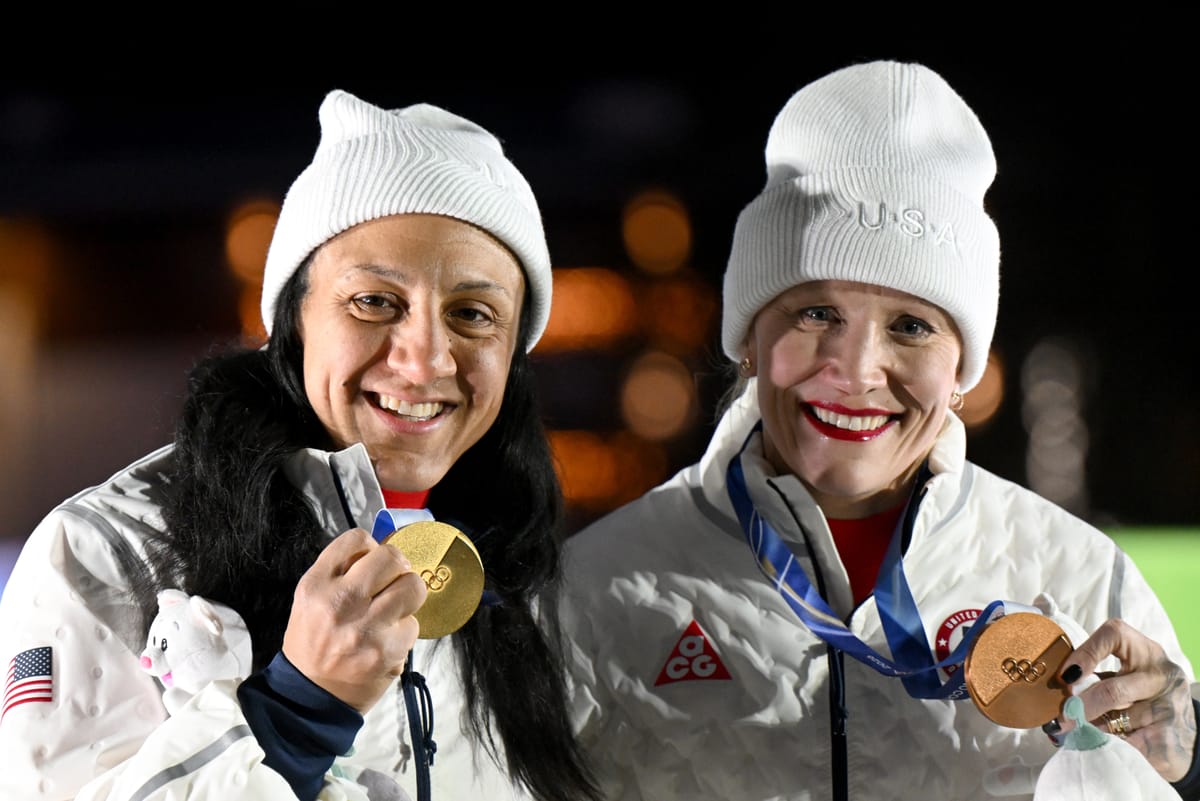
Elana Meyers Taylor, USA bobsledder, won gold at 41
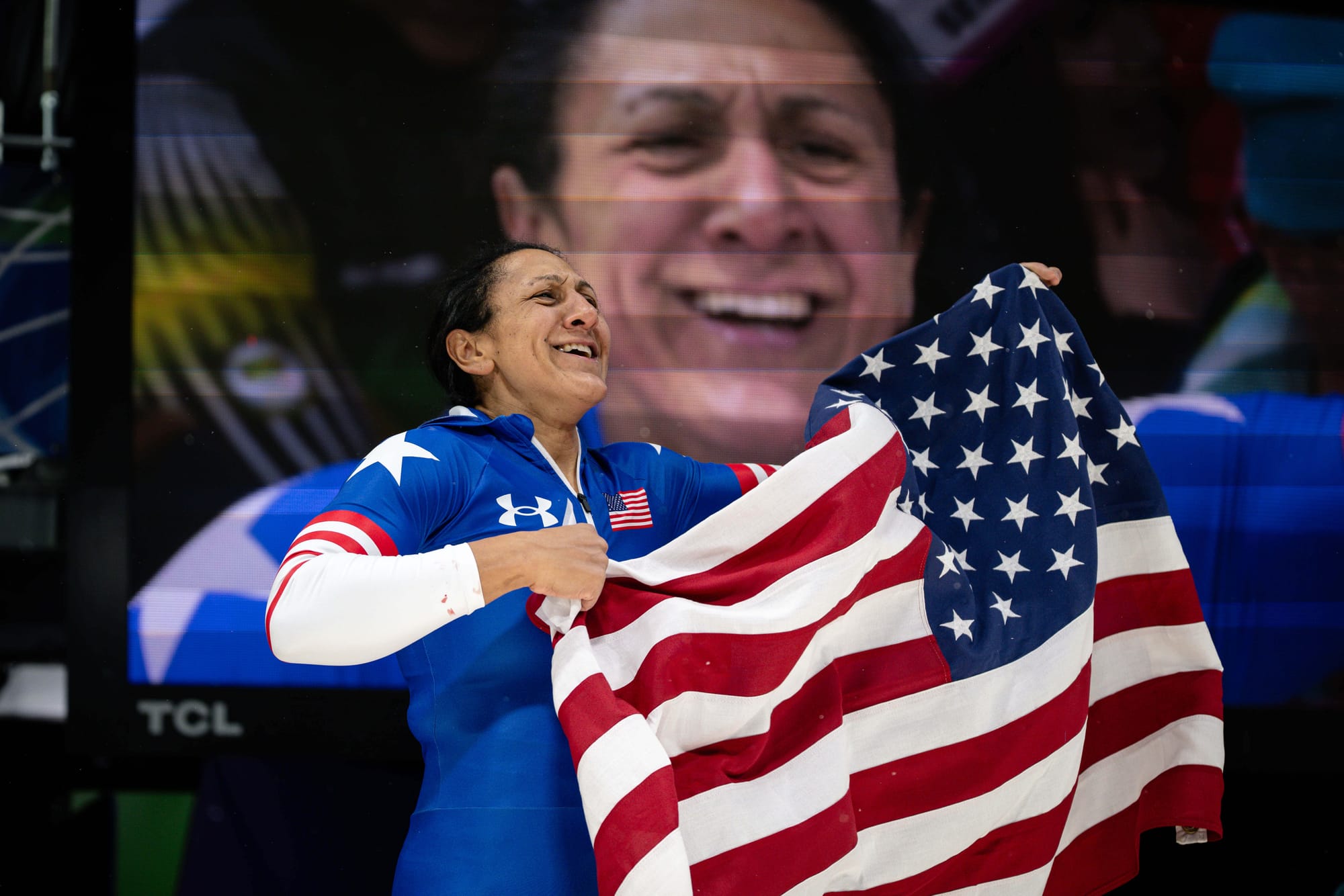
At 41, Elana Meyers Taylor became the oldest athlete to win an individual gold medal in Winter Olympic history. Her dramatic win in the women’s monobob event was the stuff of movies: She passed Germany's Laura Nolte by just 0.04 seconds on her final run. The win makes her the most decorated Black athlete in Winter Olympics history.
Just two months before the Games, she nearly quit, texting her husband from a training camp in Norway: "This is just impossible. It's never going to work." But she kept at it, hoping to set an example of strength for her two sons—Nico, 5, and Noah, 3. The moment she found out that she won the gold medal she fell to her knees sobbing and signed to her sons—who are both deaf— “Mommy won.” A first-generation American of Jamaican, Panamanian, and Italian descent, Meyers Taylor posted on Instagram before the Games: "I am the daughter of an immigrant and the proud mother of two disabled sons and my story isn't possible in most other places in the world.”
“I will always fight for all to be accepted for who they are and do all to feel welcomed. So regardless of what challenges we may face, I will fight for my country because it’s my legacy to my children. I will fight for a better America for my boys.”
Lindsey Vonn, USA alpine skier, competed at 41
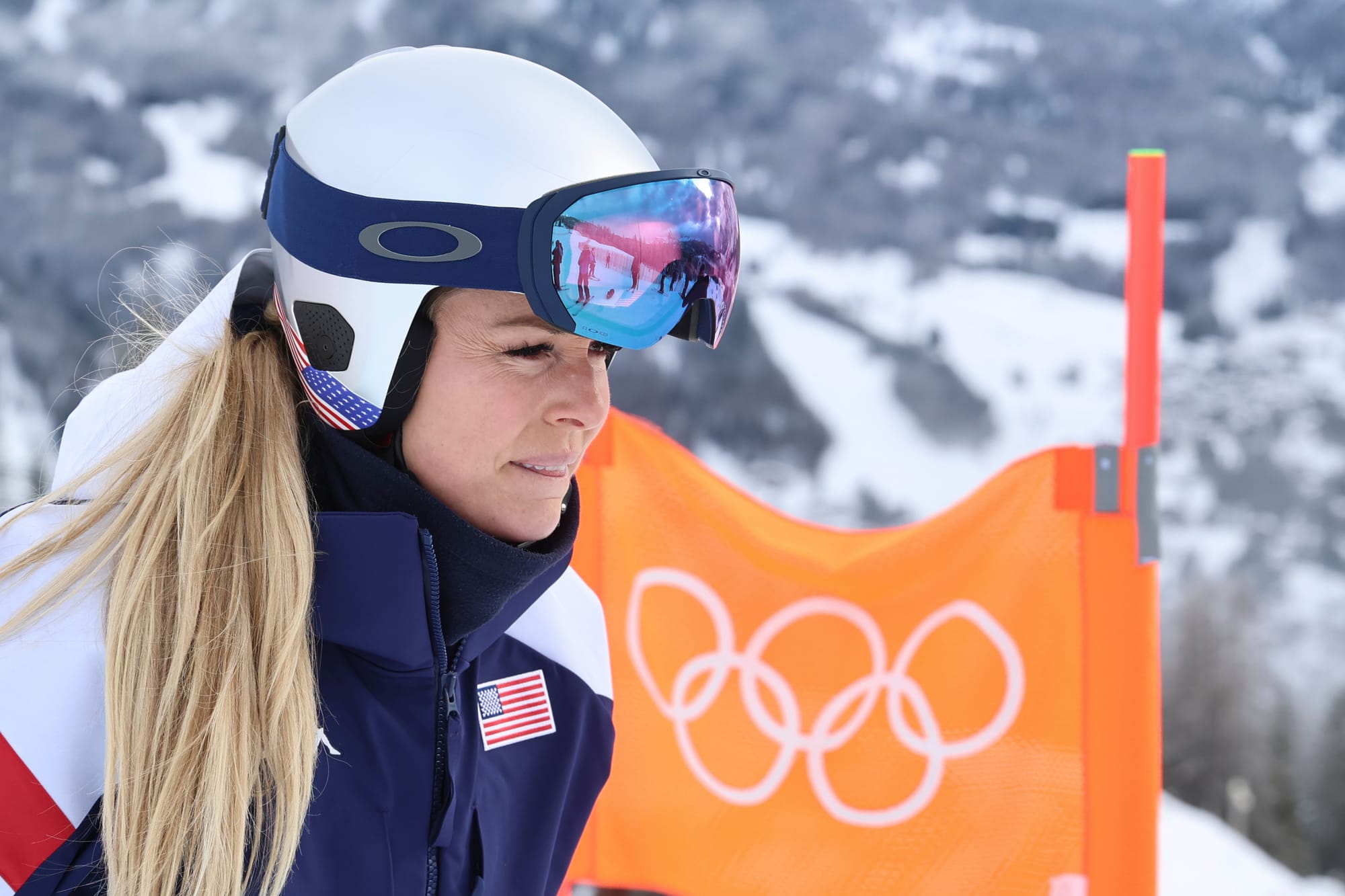
Lindsey Vonn announced her plans to retire at 34 in 2019, but changed course in 2024. She had just turned 40; and all of a sudden, she was back in.
A week before the Games, she crashed during a World Cup downhill event and had to be airlifted off the mountain with a torn ACL. It would be risky—though not impossible—to ski on a torn ACL and many thought she would pull out of the Games. But she didn’t pull out and went on to compete in a knee brace. Unfortunately, about 12 seconds into Vonn’s Olympic run she crashed again, and was again airlifted out.
Vonn’s story proves that triumph doesn’t just take the form of dramatic wins, it can also be found in moments of defeat. “My Olympic dream did not finish the way I dreamt it would,” Vonn wrote on Instagram. “I have no regrets,” she continued. “I hope if you take anything from my journey it’s that you all have the courage to dare greatly. Life is too short not to take chances on yourself. Because the only failure in life is not trying.”
 Josie Cox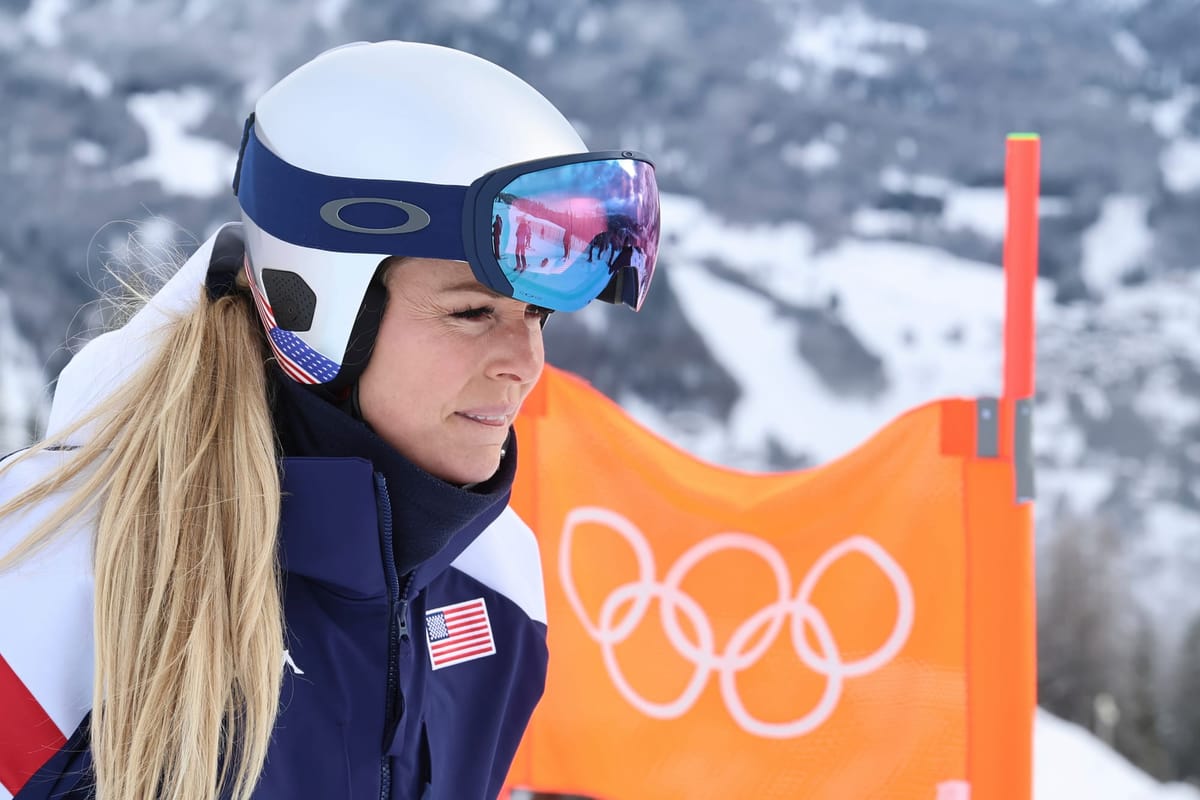
Deanna Stellato-Dudek, Canada pair skater, competed at 42
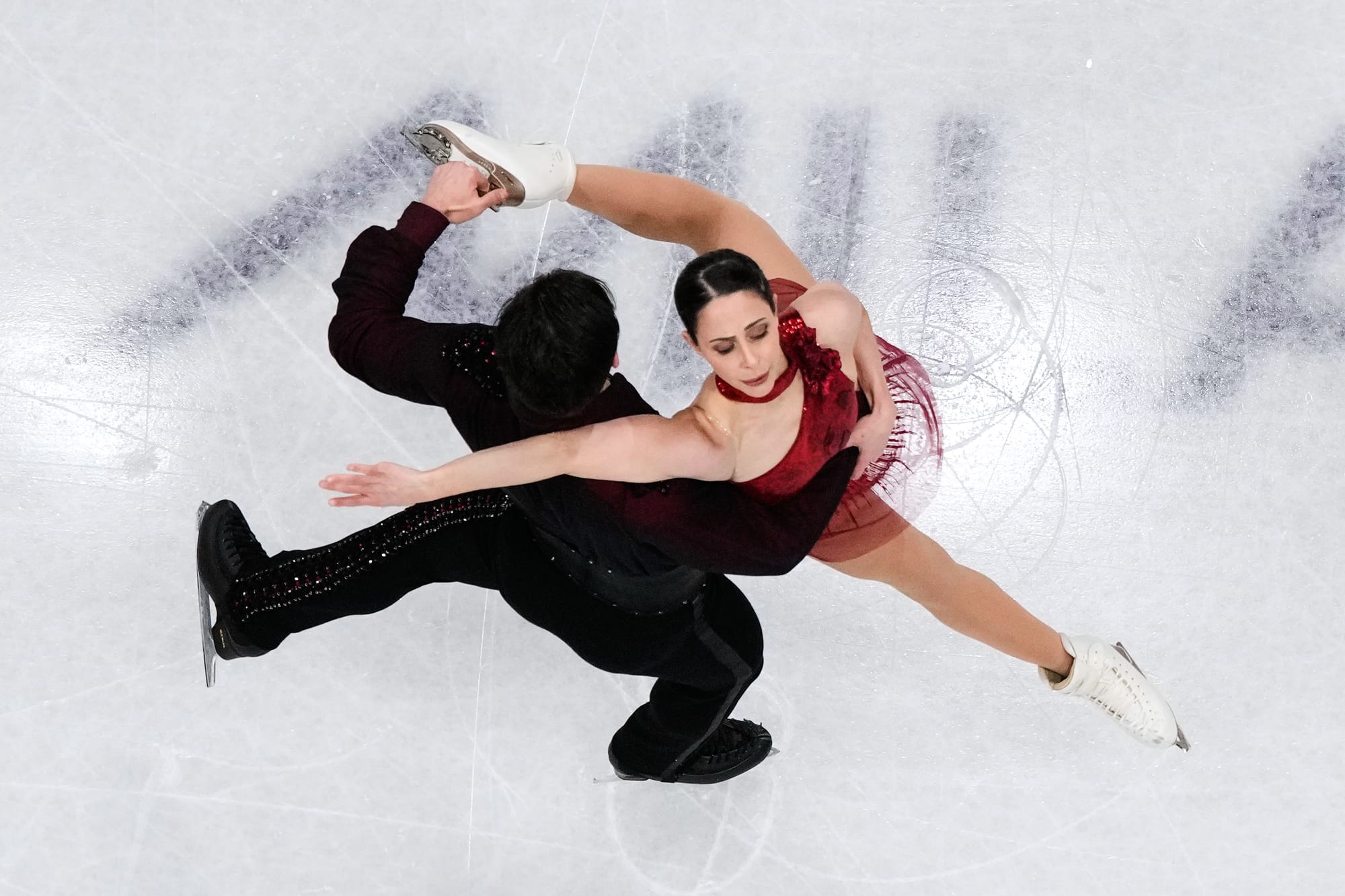
The Canadian pair skater Deanna Stellato-Dudek made history at the 2026 Winter Olympics when she became the oldest woman, at 42, to compete in Olympic figure skating, since 1928. A fall in the final seconds of her routine knocked her and her partner Maxime Deschamps out of medal contention, and they ended up in 11th place.
Stellato-Dudek was a gifted skater as a child but retired from the sport as a teenager and pursued a career outside of skating for over a decade. At a corporate team-building exercise in her 30s, she surprised herself by answering the question, “What would you do if you knew you couldn’t fail?” with “I would win an Olympic gold medal.” After that revelation, she returned to skating at 32, after a 16-year-break. She won gold at the world championships in 2024, but faced a setback just weeks before the 2026 Olympic Games were set to start: She suffered a severe head injury during training on Jan. 30.
While this year’s Games didn’t turn out how she hoped, she’s not ruling out another shot. “I'm not certain that I'm done,” she said. “I think the only limits you have are the ones that you set on yourself. Even though everybody loves to try to put limits on me because I'm 42. I don't believe in any of that. Only I can put limits on myself. So I might see you again in four years."
Kaillie Humphries, USA bobsledder, won bronze at 40
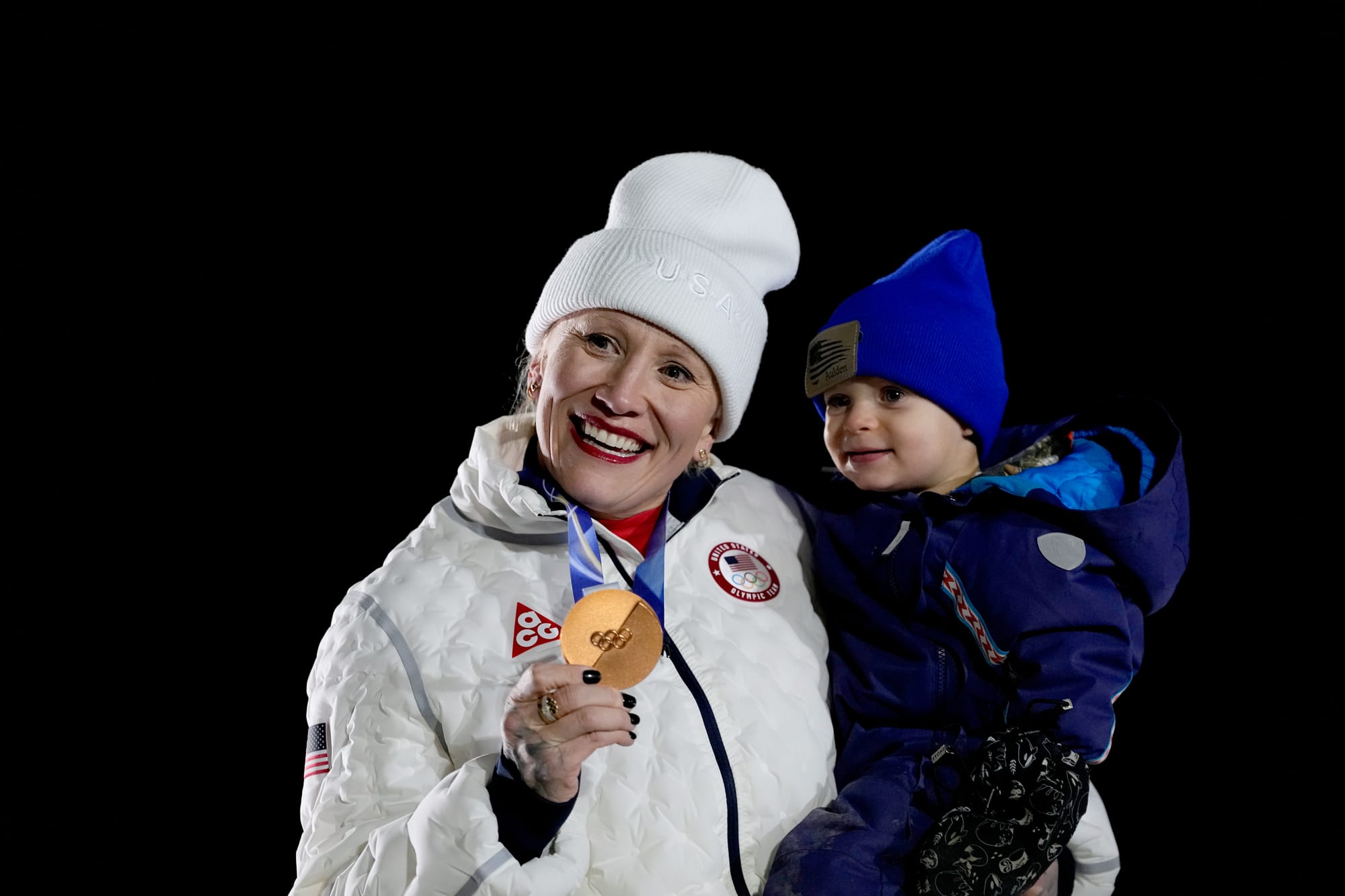
Kaillie Humphries won a bronze medal in the monobob event. Humphries now has three gold medals and two bronze. She is credited, along with her teammate Elana Meyers Taylor, with campaigning the International Olympic Committee to add women's monobob event to the Winter Games.
"The women before me have allowed this to happen and I want to make sure that continues for all future generations," Humphries said after her Olympic 2022 gold medal win.
Humphries has spoken publicly about the challenges she’s faced building a career as an elite athlete while also parenting. She was diagnosed with endometriosis and underwent IVF treatments before her child was born in 2024.
"I got back in the bobsled 4 1/2 months postpartum, so it wasn't the ideal timeline," Humphries said before the Games. "I'm not a spring chicken anymore."
Claudia Riegler, Austria snowboarder, competed at 52
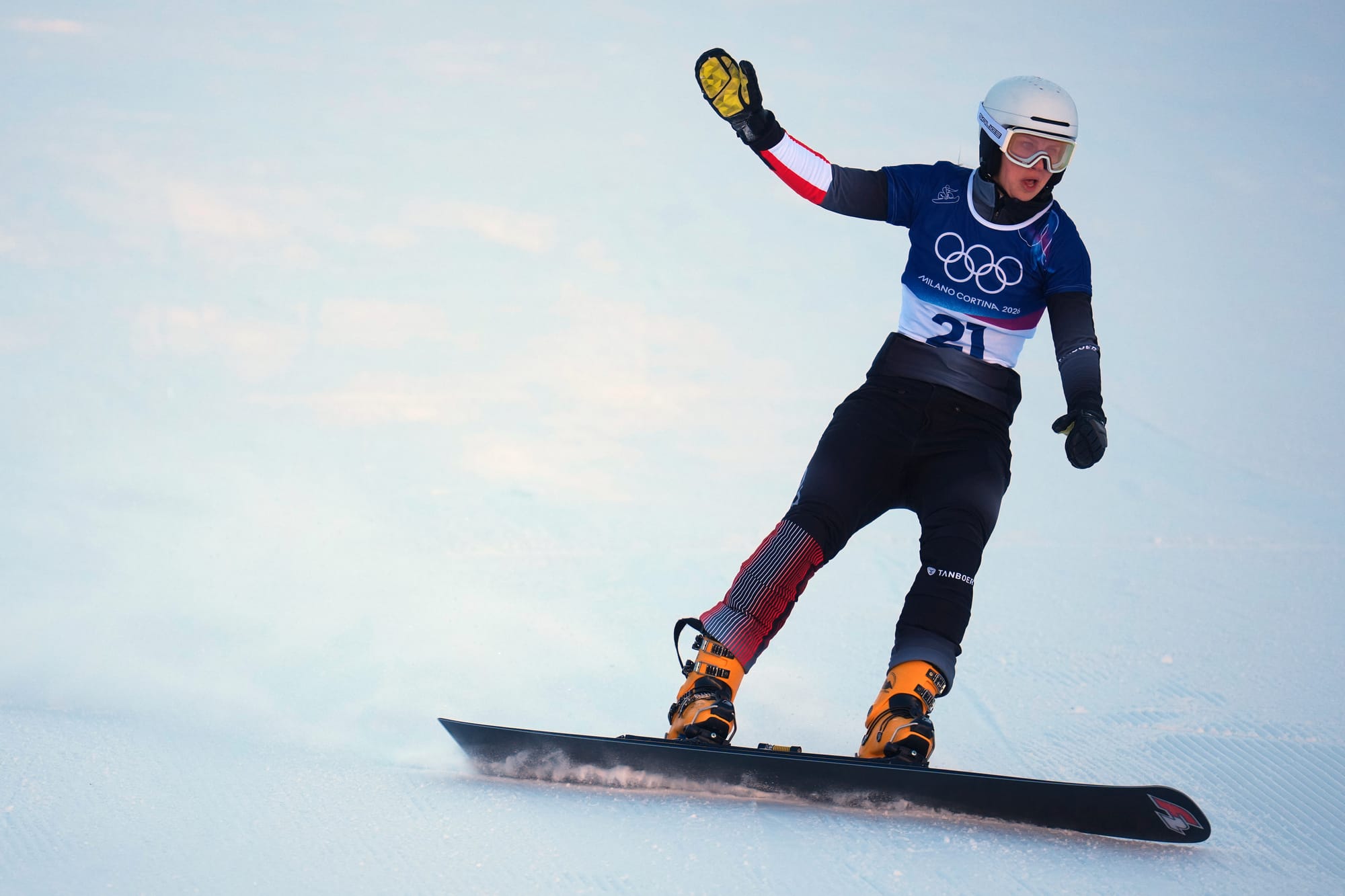
At 52, the Austrian snowboarder Claudia Riegler is the oldest woman athlete ever to participate at the Games; and this year marked her fifth Winter Olympics.
Riegler made her World Cup debut in 1994 and won the 1999 World Cup in the parallel giant slalom. At 30, she was told by a coach that she was “too old,” and would not win any races.
She said that moment became her fuel. For 22 years, she proved the naysayers wrong. “We set our own limits,” Riegler said after her final race in Livigno. “I can still compete with these young guns.”
Although she said she doesn’t plan to return to the Olympics, she is far from slowing down. When not competing, Riegler enjoys riding her Harley Davidson. Asked what advice she would give her younger self, she said, “Let them talk. Listen to your heart. Follow your path.”
Is there an athlete over 40 you love? Who did we forget? Who should we be watching? Write to us at hello@thepersistent.com. ⛷️