March 26 Marks Equal Pay Day for Women in the U.S.
Women are still making 81 cents for every dollar men make (and that’s not even the full story).

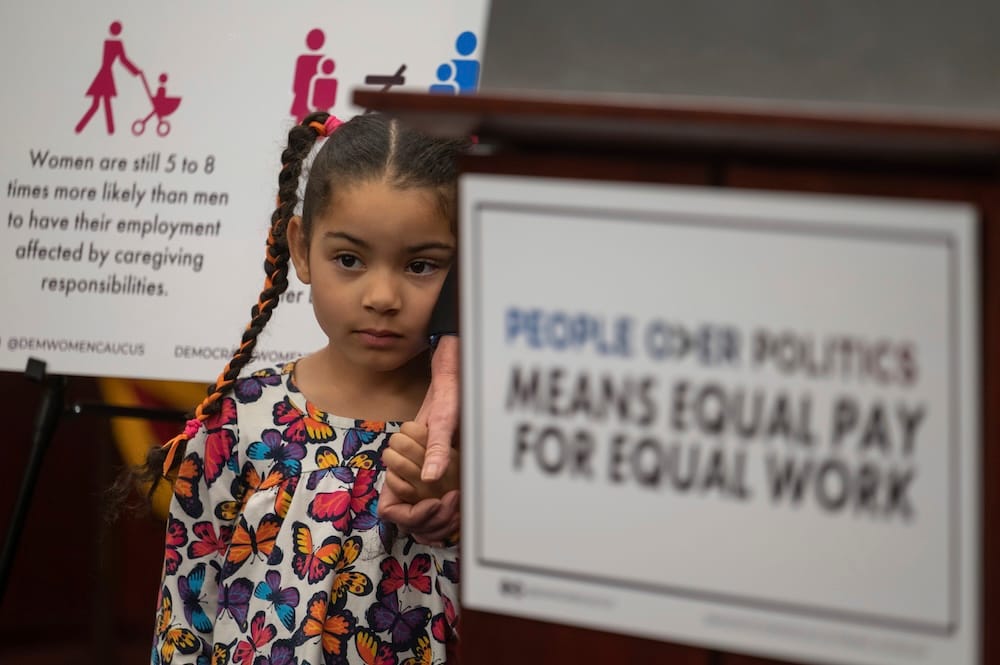
Thursday, March 26, marks Equal Pay Day in the U.S. It’s the day that represents how far into the current year a woman (working full-time, year-round) would need to work to match what her male counterparts earned in the prior year. This year’s date falls one day later than last year’s.
The current gender pay gap sits around 81 cents for full-time, year-round workers and drops to just 76 cents when you include all women workers, meaning that overall, women make between 76 and 81 cents for every dollar a man makes.
The idea of marking Equal Pay Day was started in 1996 by the advocacy group National Committee on Pay Equity (NCPE) to raise awareness of the gender wage gap. The date moves around a little each year as the pay gap fluctuates, from as early as March 12 in 2024 to as late as May 11 in 2000 (when the pay gap was 74 cents).
There isn’t one sole reason for the gender pay gap. In part, it can be attributed to occupational segregation — the tendency for women to be concentrated in lower-paid professions and men in higher-paid ones. Then there’s the fact that women shoulder more unpaid labor and caregiving work than men — that alone can pull them away from paid work. Plus, women are more likely than men to take career breaks or need flexible work arrangements for childrearing and care work, which can slow the pace of promotions and pay raises. (Welcome to the “motherhood penalty.”) Finally, conscious and unconscious discrimination play a role in the workplace — resulting in women making less than men for doing the same job.
The overall gender pay gap also doesn’t capture important racial and identity differences, either. The pay gap for Black women is 63 cents, for mothers it’s 64 cents and for Latina women it’s 54 cents.
This year, equal pay advocates are noting that changes at the Equal Employment Opportunity Commission (EEOC) could make tracking pay data and enforcing discriminatory pay practices more difficult. The government agency designed to protect employment rights, they argue, is now chipping away at those rights. Over the last year the EEOC has, for example, changed guidance on LGBTQ+ workplace protections, rescinded its harassment guidance, and threatened legal action against companies that operate DEI programs.