So Long Ick Factor!
An Oscar-nominated short shows moviemakers are getting more comfortable showing periods in films.

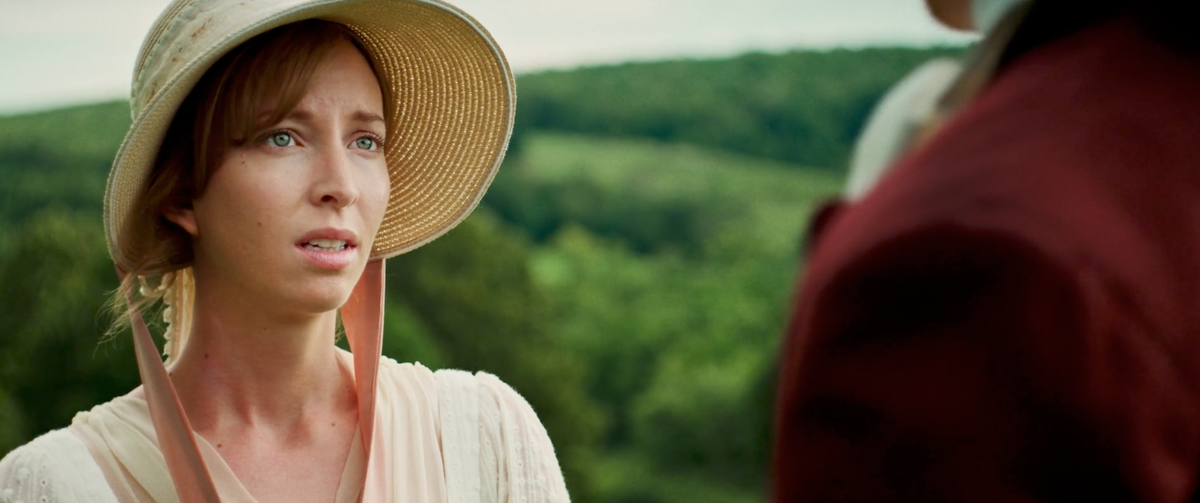
When the Oscar nominations were revealed last week, I was intrigued to see a short film called “Jane Austen’s Period Drama” had made the cut in the best live action short film category. I’ll watch anything with a bustle, a long-awaited marriage proposal and some gracious invitations to take a turn around the garden. I know, it’s not very progressive. These productions are completely unrealistic and have predictable narratives. But. I. Love. Them.
But this film, written and directed by Julia Aks and Steve Pinder, was of particular interest to me because it isn’t merely a period drama about love, it’s a period drama about actual periods—another subject about which I’m quite passionate. If you missed it, here are some previous musings on menstruation.
The film opens just as Miss Estrogenia (the first of several brilliant names) is about to receive a marriage proposal from her fancy man, Mr Dickley. But there’s a spanner in the works—she gets her period at that very moment and bleeds right through her floaty white frock. Mr. Dickley, although he’s “highly educated," doesn’t know anything about menstruation, and assumes Miss Estrogenia has been injured. Hilarity ensues as her family, including sisters Miss Labinia and Miss Vagiana (lol), try to dissuade Miss Estrogenia from telling Mr. Dickley the truth about how and why women bleed and where babies come from. (Dad watches in detached horror from afar.)
Miss Estrogenia blows Mr. Dickley’s mind with the gory details of menstruation. “There are painful contractions as the uterine lining sloughs off,” she tells him. “And it gets a bit messy.”
“Wow. It is all rather remarkable. So when will you be better?”
“It lasts about six days.”
“Not long at all!”
“To be clear, it happens every month.”
“Oh…”
It's brave! It's revolutionary!
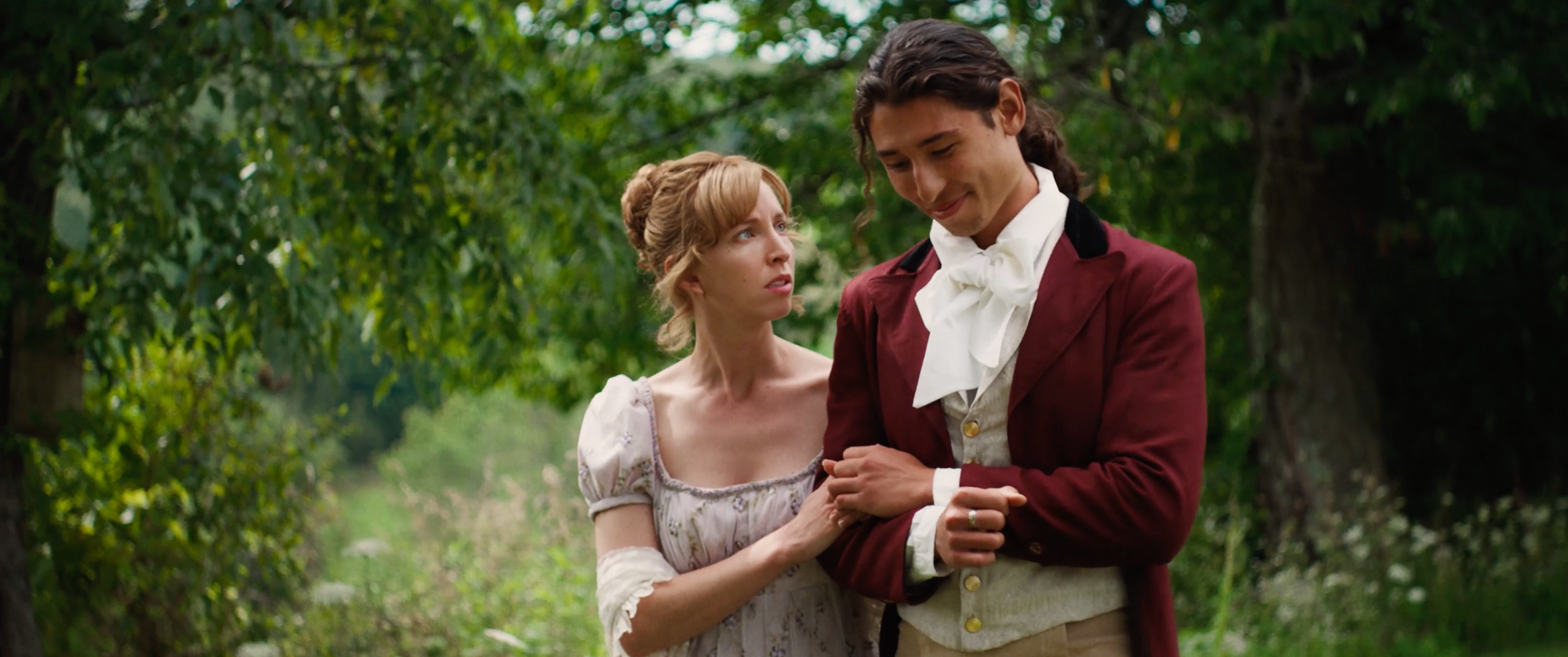
If you think it can’t get any better, trust me, it can. The actress Emma Thompson—no stranger to Austen herself (hello, "Sense and Sensibility")—is credited as the short’s executive menstrual advisor. “I’ve never seen anybody deal with it in this way,” she told The Hollywood Reporter. “It’s such a wonderfully, bravely, revolutionarily funny thing to do.”
And it does feel revolutionary. And it does feel brave. But should it? It’s definitely true that you don’t see period blood depicted on the screen very often. A few depictions I can think of from film and TV—“I May Destroy You,” “The Queen’s Gambit,” and, er, “Carrie.”
In "I May Destroy You" we watch a couple getting intimate while one of them is on her period. The guy pulls the tampon (and a large clot) out. He’s fascinated by the clot, and it’s all treated as no biggie. That felt brave. But so very rare.
 Gabriella Griffith
How many tampons...?
Meanwhile I’ve lost count of the number of times I’ve seen the blood of humans being mauled by extra terrestrials.
It’s estimated that around 800 million people globally are menstruating on any given day. And half of the world’s population will have around 450 - 500 periods in their lifetime. As far as we know no one has ever been mauled by an extraterrestrial. So what is going on here?
The real shame of it is that Mr. Dickley’s ignorance to the realities of menstruation isn’t a relic from Jane Austen’s time. It’s alive and well today among, let’s call it roughly 50% of the population.
If that’s hard to believe, take a look at the incredibly popular TikTok gameshow, “Roe vs Bros” where random men are invited to answer period-forward questions like “can you pee with a tampon in?” and “how many tampons do women use during a period?” Reader: They don’t get these right. People just don’t know, and they don’t want to know, about periods, period.
 Emma Haslett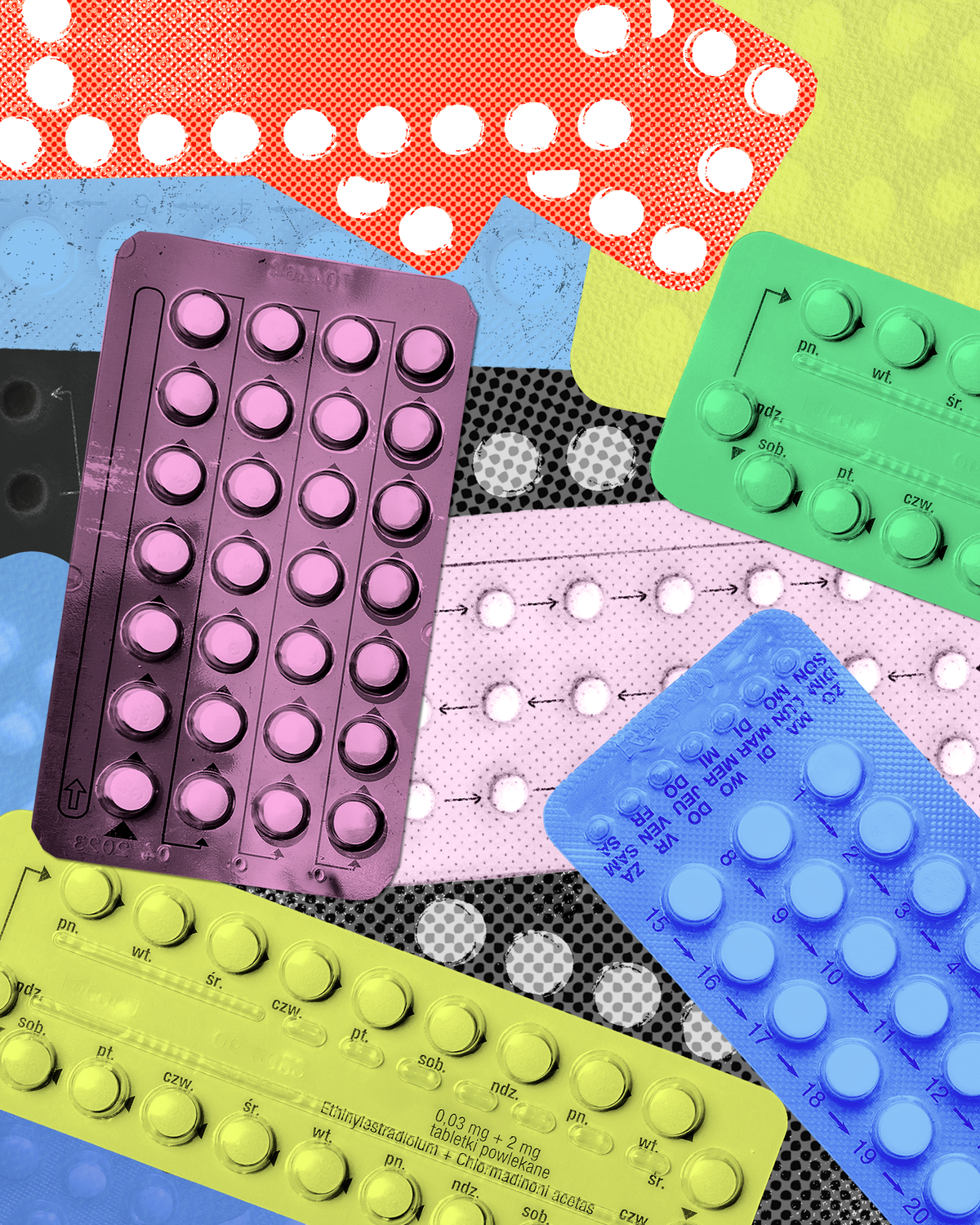
There is reason to hope
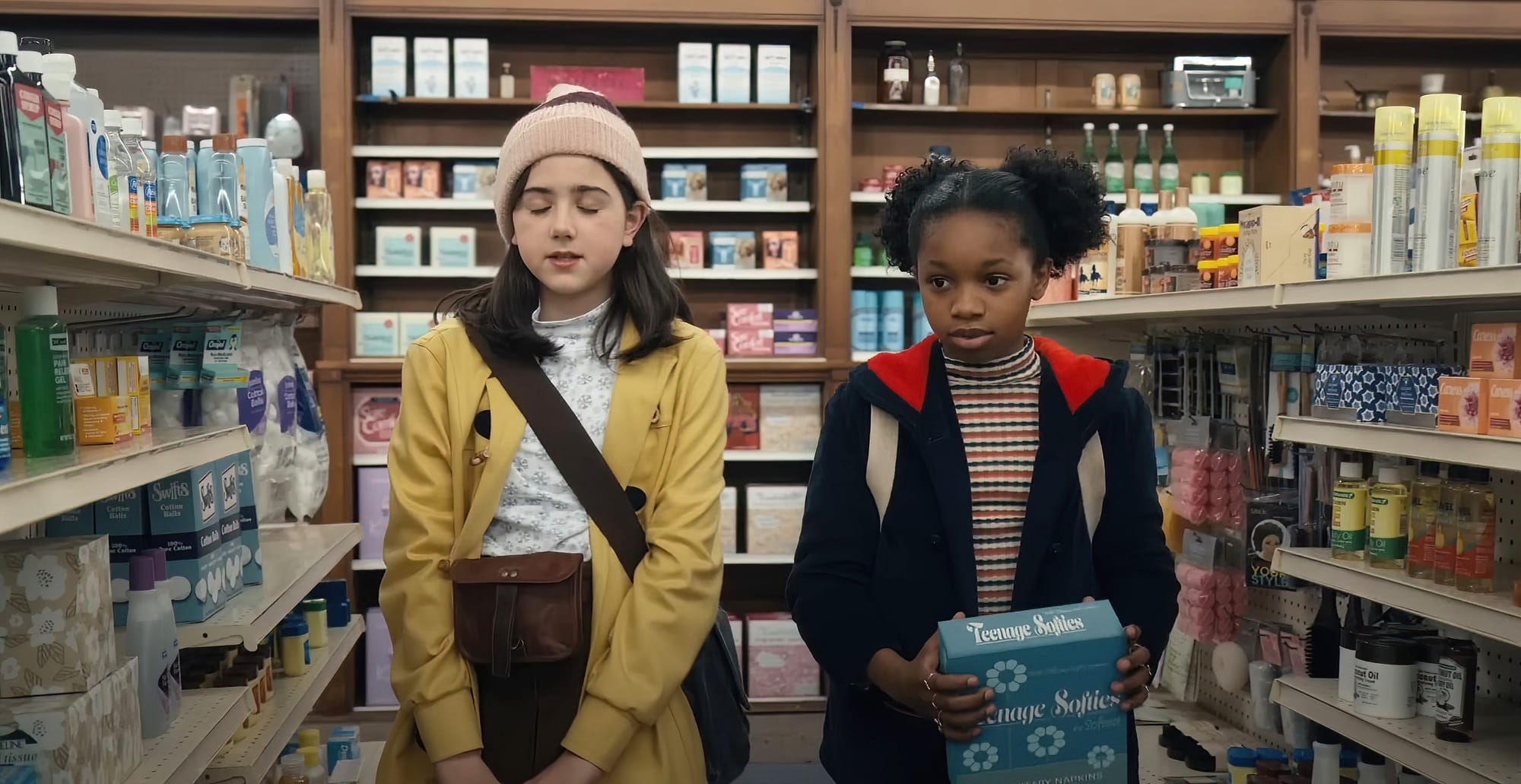
But fear not, there is definitely reason to hope. The past five years have certainly seen more “crimson wave” action (to borrow the reference from “Clueless”). Pixar’s “Turning Red” has been widely praised for depicting the moment the lead character gets her first period, while other coming-of-age shows have tackled it (though not quite so graphically) such as “Are You There God? It’s Me, Margaret.” There has even been a Bollywood film called “Pad Man,” a biopic about an entrepreneur—and quite dedicated husband—who goes to great lengths to design a better sanitary pad for his wife. About bloody time, I’d say.
Talking about periods on screens is one thing—I do feel strongly that we need to get past the ick factor when it comes to seeing blood: If we can stop recoiling from the sight of it on our screens, maybe the young girls getting periods today won’t feel as much shame as I had/still have. But I don’t think we need loads of films about periods, either.
It’s the tiresome, everyday, run of the mill period content I want to see. The subtle stuff that just happens every day that Hollywood has ignored. I want to see someone awkwardly carrying a tampon up their sleeve as they go to the loo at the office. A friend slipping another friend a pad under the table in a restaurant. Someone getting a leak and having to change their jeans.
Then we can leave the big drama around periods to Jane Austen’s characters.
You can watch the trailer of Jane Austen's Period Drama here–or, if you are a Kanopy subscriber (which is free with a library card), you can watch the full movie there.
All Oscar-nominated live action shorts will be in theaters nationwide on Feb. 20, 2026.
 Francesca Donner