Unemployment Hits Black Women the Hardest
The overall unemployment rate is at a four year high but it’s not impacting all workers in the same way.

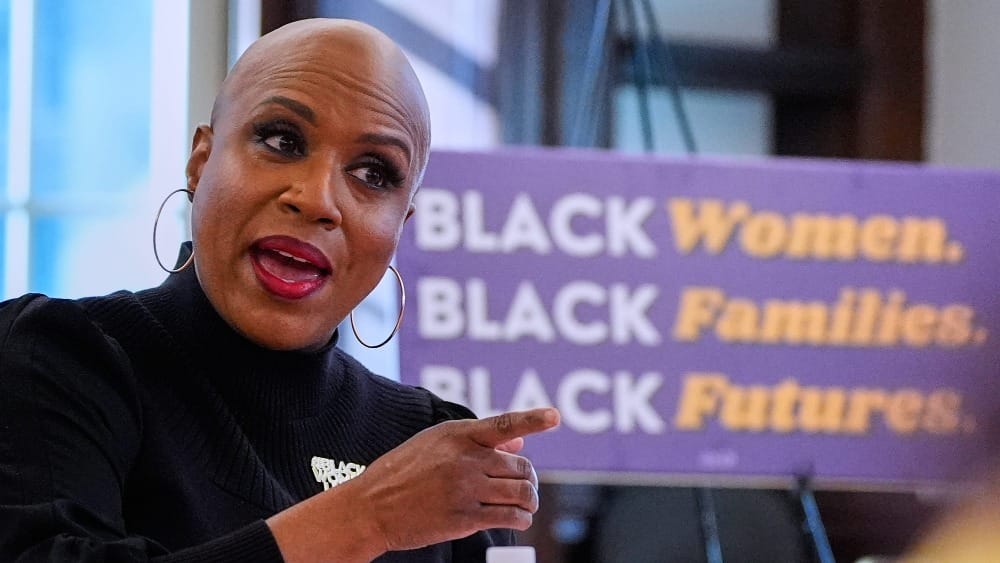
Last month there were around 271,000 fewer federal employees in the U.S. government than there were right before Donald Trump took office in January, with women and Black workers disproportionately affected by the massive cuts, this week’s official jobs numbers show.
According to the latest Bureau of Labor Statistics report, the overall unemployment rate stood at 4.6% in November, compared with 4.4% in September. Data for October is not available due to the recent government shutdown.
Black men aged 20 and over experienced a particularly worrying surge in unemployment last month, with the rate rising to 7.5% from 6.6% in September. The unemployment rate for Black women aged 20 improved slightly: to 7.1% from 7.5% in September.
The National Women’s Law Center, a non-profit, pointed out that unemployed Black workers aged 16 and over also experience longer periods of unemployment than other demographic groups.
Black women are typically out of work for 14.5 weeks while Black men typically experience stretches of unemployment that are just over 12 weeks. For white women and white men, the average duration of unemployment is 8.6 weeks and 9.6 weeks respectively. Relatedly, research done by the NAACP shows that 1 in 5 jobless Black women tend to be out of work for six months or more.
 Josie Cox