Women Leaders Are Still in The Minority
From peace talks to boardrooms, women still hold vanishingly few positions in business, politics and economics, a new study has found.

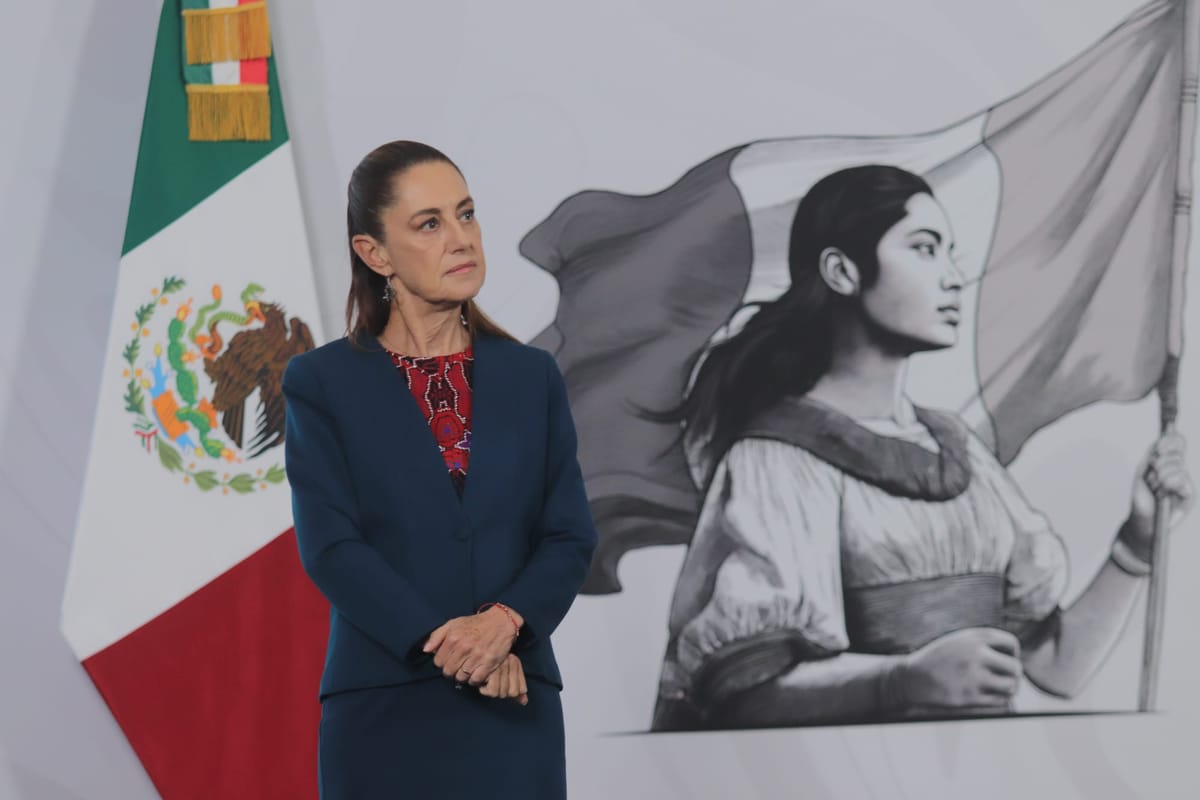
Women make up around half of the world’s population but still hold no more than one-fifth of all leadership positions across politics, business, economics and other realms of society, according to a sweeping new research report.
The study, conducted and published by the international audience strategy consultancy AKAS, revealed that only 1 in 14 peace negotiators, 1 in 8 defense ministers, 1 in 6 foreign ministers, and 1 in 6 of those serving in the highest governmental offices are women.
In the powerful and rapidly-expanding world of artificial intelligence, meanwhile, 9 in 10 CEOs are men, while the picture remains similarly imbalanced across the broader business landscape, with just 1 in 14 CEOs among the top 500 global companies being a woman. Other roles in business also have a large gap: Just 9% of board chairs globally were women, and women held only 18% of chief financial officer roles.
The authors of the report—Luba Kassova and Richard Addy—note that several trends have, in recent years, made it harder for women to reach positions of power and created untenable challenges for those already in those positions.
“The rise of authoritarianism globally has come with a directive for women to return to the kitchen, glorifying the 1950s-inspired tradwife status and heaping more pressure on women to step back from high-powered jobs,” they write.
They also point out that “the proliferation of AI tools producing nonconsensual deep fake pornographic imagery has added unimaginable suffering to women, including high-profile women, female journalists and women in politics, making too many of them question whether the cost of visibility has become prohibitively high.”
Other key findings in the report, which is part of a series entitled "Missing Perspectives," include that—as of September 2025—only 15% of United Nations member states had a woman serving in the highest executive office; and that, as of January 2025, only 18% of foreign affairs cabinet ministers and 16% of financial and fiscal affairs cabinet ministers were women. The researchers also found that a mere 3% of UN member states in September last year had parliaments that had achieved complete gender parity. Those countries were Rwanda, Cuba, Nicaragua, Andorra, Mexico, and the United Arab Emirates.
Kassova and Addy also found that, over the last decade, just 8% of winners of the Nobel prize in economics and 10% of winners of the Nobel prize in physics have been women. For the chemistry prize, the proportion is only marginally higher at 14%.