Chronic Stress From Racism Makes Pregnancy More Dangerous for Black Women
New research from the University of Cambridge shows how chronic stress linked to racism and inequality may trigger physiological changes in the body and increase risk during pregnancy.

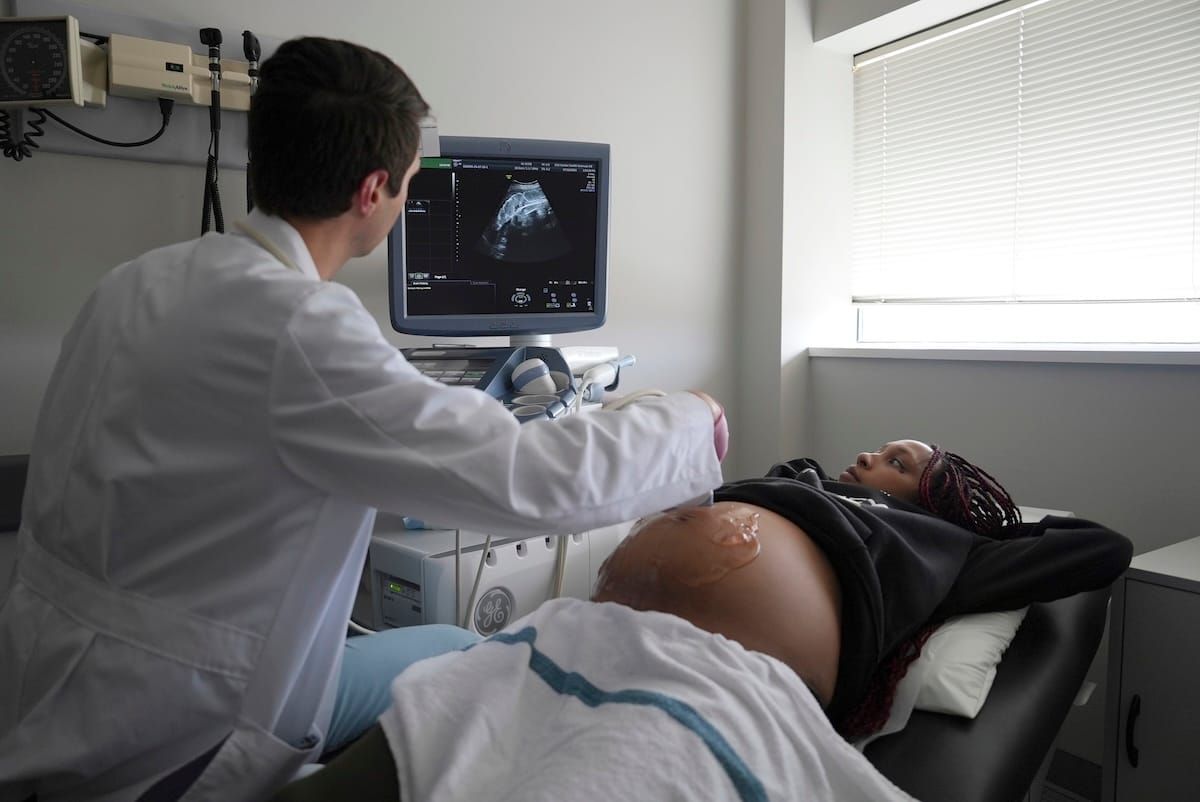
The facts aren’t new, but nevertheless devastating: Around the world, Black women experience significantly higher maternal mortality rates than their white counterparts. It’s a full-blown global public health crisis that leaves Black women three times more likely to die, and the reasons for it range from structural racism and implicit bias in healthcare to social determinants of health — factors like housing conditions, education, and economic stability.
An underlying culprit behind some of these factors, according to a new sweeping analysis, may sound upsettingly obvious: stress.
A major review of existing studies conducted at the University of Cambridge found that chronic exposure to racism and socioeconomic disadvantage may directly affect the biology of pregnancy. These pressures can trigger physiological changes in the body, including increased inflammation and reduced blood flow to the placenta — both linked to serious pregnancy complications.
These changes help explain why Black women face a much higher risk of conditions such as preeclampsia, preterm birth, and restricted fetal growth. Crucially, the researchers emphasize that these disparities are not rooted in genetics, but in lived experiences shaped by systemic inequality.
One of the study’s authors, Dr. Grace Amedor, said she was driven to investigate maternal mortality after learning how much more likely Black women are to die during or shortly after pregnancy. “As a Black woman myself, that was scary to hear,” she said. “I was surprised that although this disparity had been known for a long time, there was little research into the potential underlying physiological reasons.”
The findings are a critical reminder that improving maternal outcomes for Black women requires more than just clinical care — it demands that we address the broader social and structural factors that place disproportionate stress on Black women’s bodies long before they even consider starting a family.