Eight Forgotten Feminists That Deserve to Be Celebrated All Year
From a brick-smuggling disabled suffragette to a teenager who helped end segregation, these inspiring feminists deserve to be remembered.

At The Persistent we don’t think that women’s history should be celebrated only in March, which is why we highlight forgotten feminists all year. And yet, too often, the same famous names get all the attention.
And while we’re happy that people have plenty of praise for Gloria Steinem and Angela Davis and Betty Friedan, for this week’s You Might Like, we asked The Persistent contributors to tell us about a woman from the past who never got her due. Until now.
Here are eight women we wish everyone knew about.
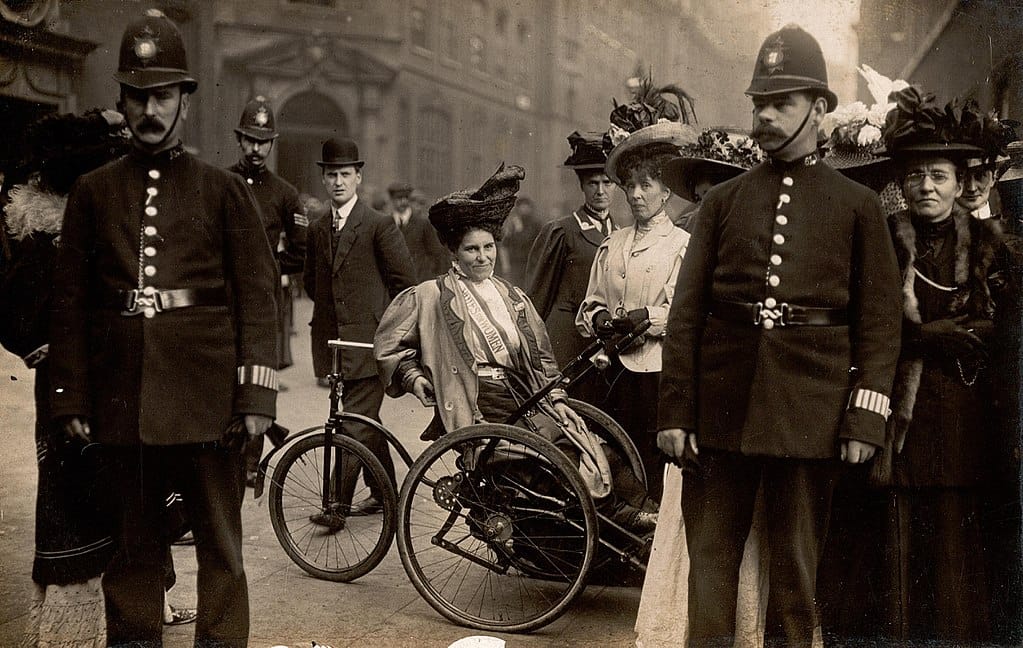
Rosa May Billinghurst was a disabled suffragette and a leading organizer of the campaign for votes for women, all while using a bespoke tricycle to get around. It’s rumoured that she used her trike to smuggle the bricks the suffragettes employed in their window-smashing campaign. Disabled people's contributions to history are so frequently overlooked but Billinghurst was an important figure, and often gave speeches at the same events as more famous suffragettes like Emmeline Pankhurst. She deserves to be remembered. I’ve hung a photo of her surrounded by police above my desk; it reminds me of just how much can be done on wheels (and to metaphorically keep smashing windows).
— Lucy Webster, contributing writer
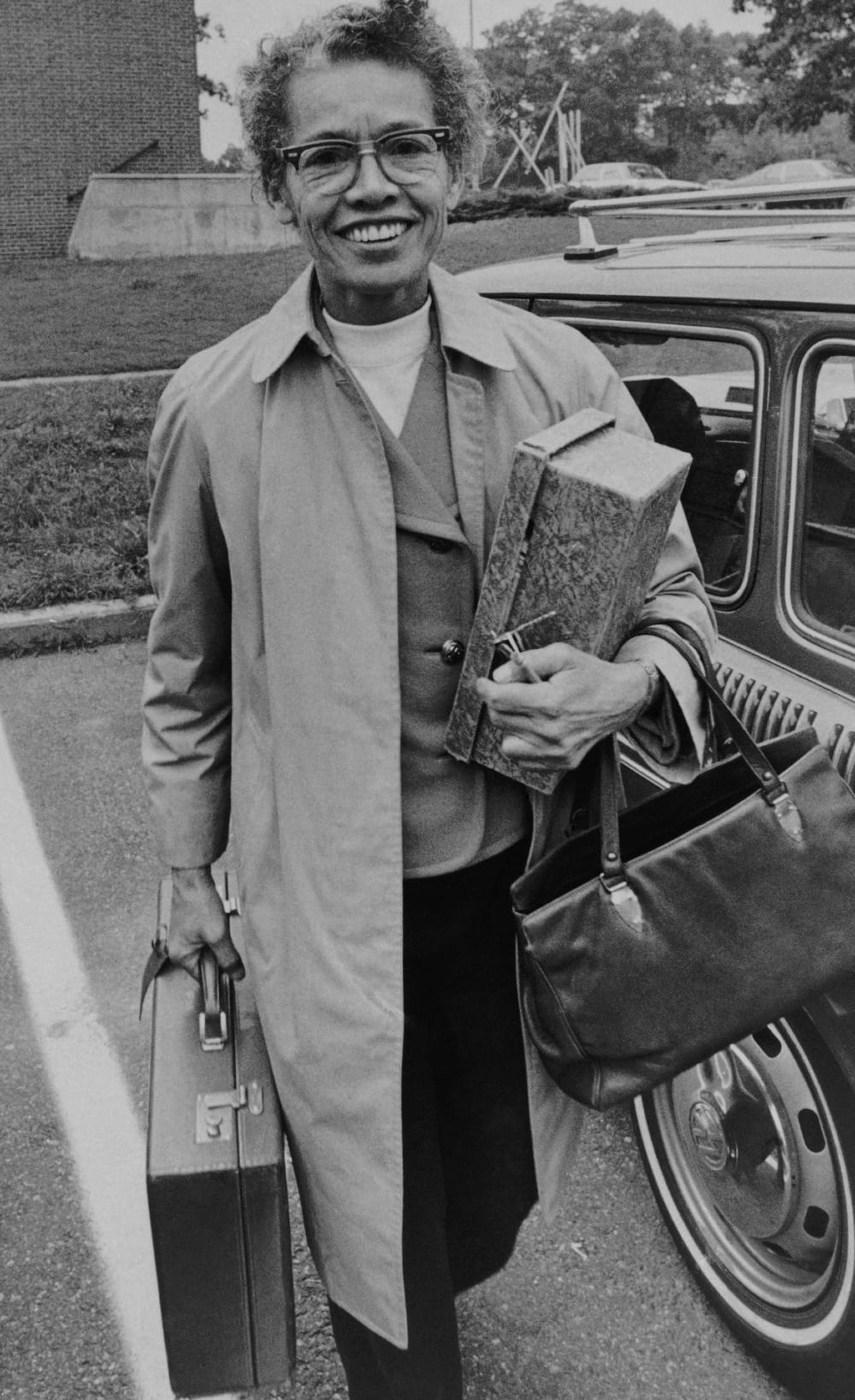
Pauli Murray is a true American hero, yet so few people know her name.She was a civil rights activist, a legal scholar and a poet. In 2012, she was posthumously named an Episcopal saint. Murray was also a friend to Eleanor Roosevelt, a mentor to the late Supreme Court Justice Ruth Bader Ginsburg, and one of the first people to call out the brutality of intersectional discrimination. Plus, her legal scholarship helped inform some of America’s most important civil rights laws including Brown v. Board of Education and the Civil Rights Act of 1964.
— Josie Cox, founding editor
I did my master’s thesis on Emily Hobhouse. She was a pacifist who spoke out against the British concentration camps where thousands of women and children died from typhoid, malaria and other diseases during the Boer War in the late 1800s.— Ginanne Brownell, contributing writer
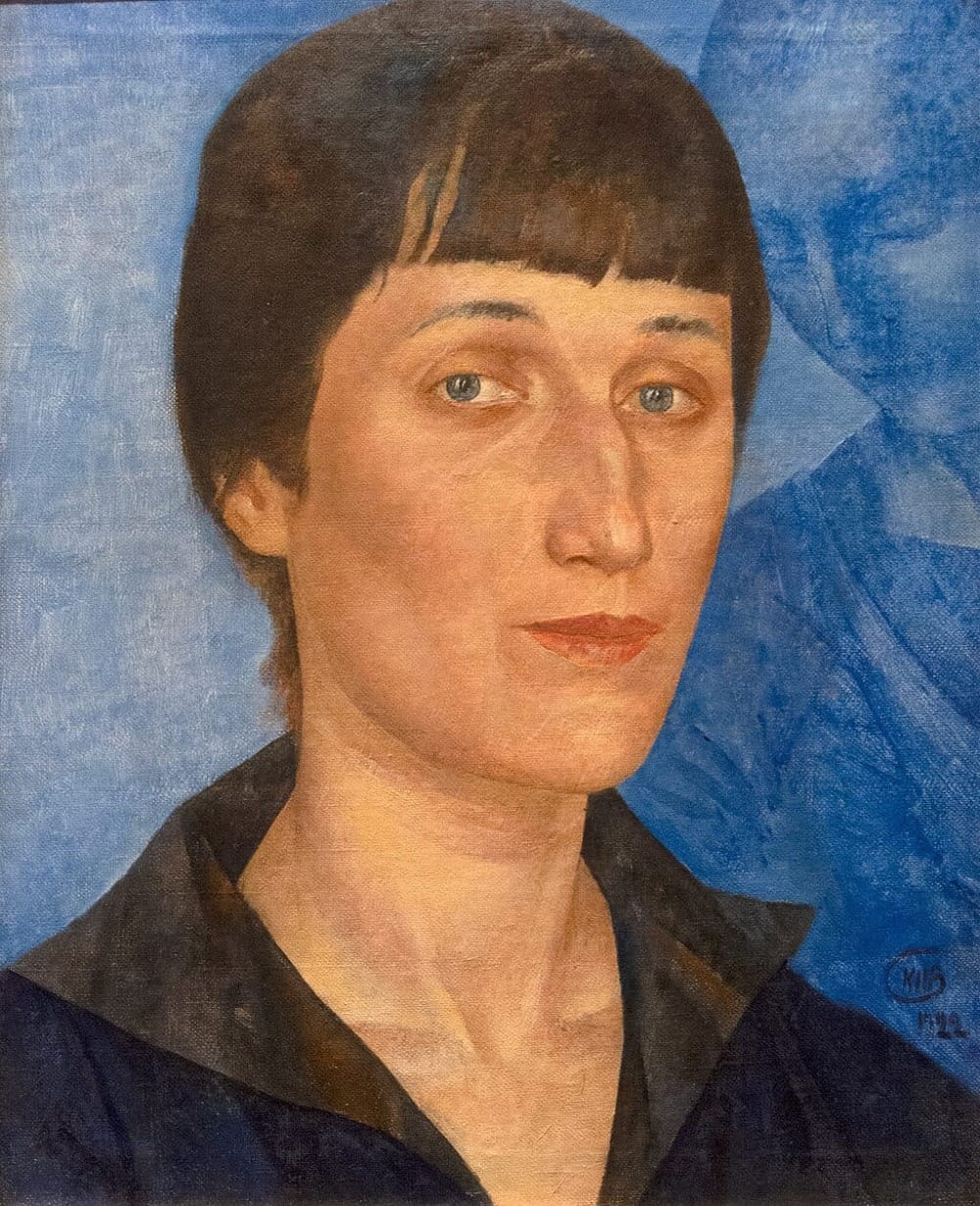
Those who have heard of Anna Akhmatova know her as a great Russian poet, but that's only part of her story. When her peers fled after the 1917 Bolshevik revolution, she stayed, believing that she had a duty to bear witness. Her husband was executed by the Bolsheviks and her son was arrested. She wrote “Requiem,” a testament to those swallowed by Stalin’s terror, and then destroyed the written pages after she and her friends memorized it (because keeping it on paper meant death.) Indeed, she carried the 20-plus stanzas in her memory for decades until it was finally safe to write them down.
— Tanya Mozias, contributing writer
Mary Roebling was the first woman to serve as president of a major US bank. After her husband’s death, she took his seat on the Trenton Trust board in 1936, and was later elected board president. In 1978, she founded Women’s Bank N.A. in Denver, the first bank established by women. She’s so remarkable that I devoted an entire chapter to her in my book “Give Her Credit: The Untold Account of a Women's Bank That Empowered a Generation.”
— Grace L. Williams, contributing writer
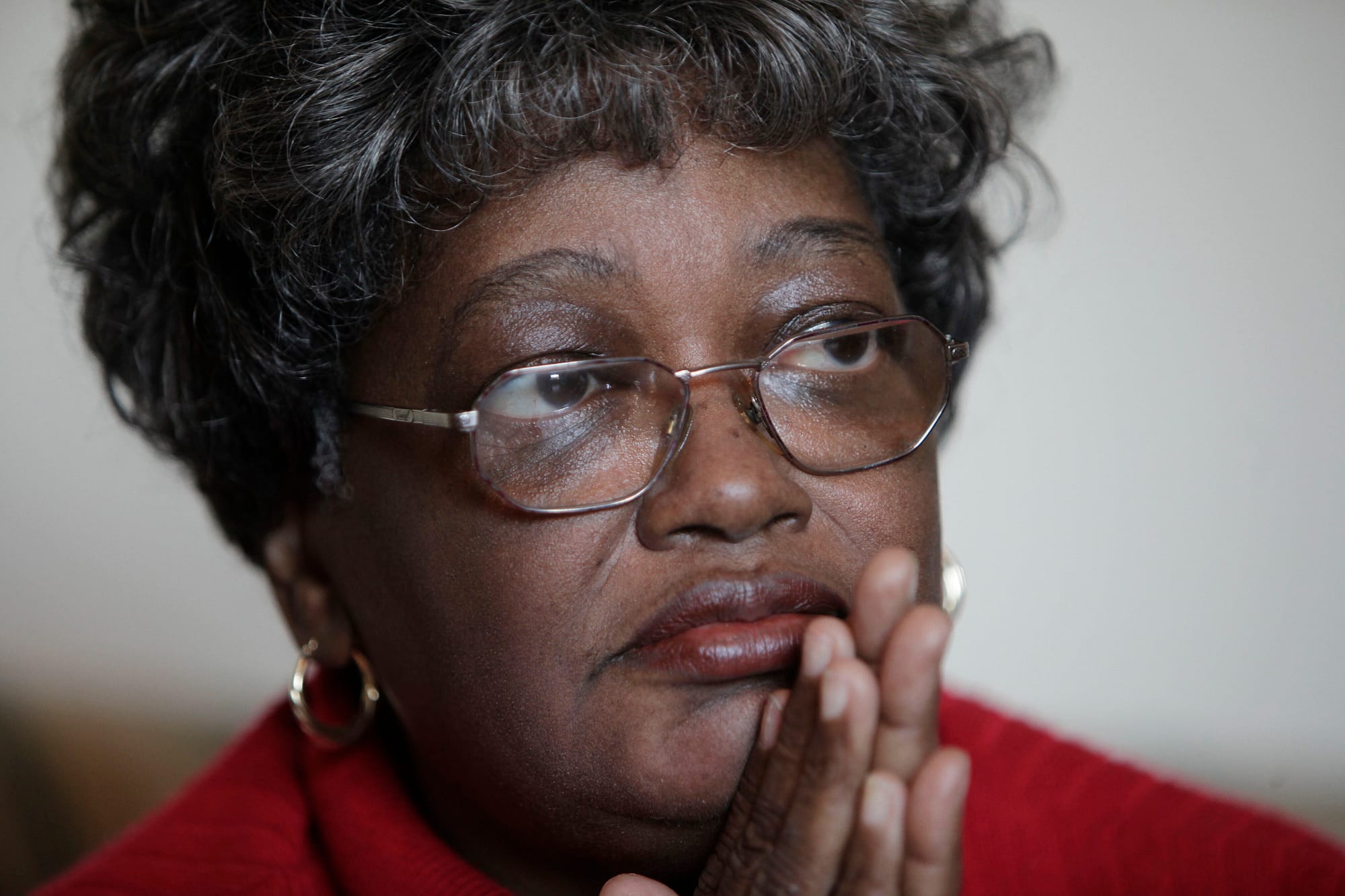
Claudette Colvin refused to give up her seat on a segregated bus in Montgomery, Alabama, nine months before Rosa Parks' similar history-making move. She was also a plaintiff in the federal court case that ended bus segregation. Yet civil rights leaders chose Parks as the face of the movement. Colvin, who was a dark-skinned teenager and pregnant at the time, was viewed by civil rights activists as a potentially risky symbol. Though she hasn’t become a household name like Rosa Parks has, Colvin paved the way for change.
— Kathleen Davis, executive editor
The elegant serif font Mrs Eaves takes its name from Sarah Eaves, the wife and assistant to the renowned and eccentric 18th century English printer and typographer John Baskerville. Her story might have faded into obscurity were it not for the pioneering type designer Zuzana Licko, who released the font in 1996.
— Anne Quito, contributing writer
 Josie Cox
She isn’t exactly famous, but to me, my grandmother, Sylvia Copaken, is a feminist hero. She graduated law school in 1950 when getting a law degree wasn’t common or easy for women. She and my grandfather, Albert Copaken, opened their own small law firm in Kansas City, Missouri, providing legal assistance to those who couldn’t afford it and accepting bags of potatoes and apple pies as payment. Sylvia loved her work so much that when Albert died, she moved to Bethesda, MD, and kept practicing law until she died in her ‘80s.
— Deborah Copaken, contributing writer
What forgotten feminists do you admire? Send your recommendations to hello@thepersistent.com. We’ll be back with more recommendations next Friday!
Readers recommend!
Last week we shared our Soundtrack To The Fall of The Patriarchy and several of you wrote to us with a few suggested additions. Here are a few more songs to fuel your own personal revolution:
Cecilia Young recommends: “They Say I'm Different” by Betty Davis, “I Like That” by Janelle Monáe, and “Energy,” “Final Form,” and “F E M A L E” by Sampa the Great
Deb Snow recommends “Shake the Ground” and “Rebel Eve” by The Rebel Eves. She says, “Both songs speak to women having a voice both individually and collectively. They are anthems about breaking through societal norms that seek to silence and control women. To me, these songs have a powerful message for women navigating today’s world.”
More You Might Like
 The Persistent
 The Persistent
 The Persistent