It’s Five Years Since the Murder of Sarah Everard. Has Anything Changed?
Recommendations to improve policing in the wake of Everard’s murder have yet to be implemented—meanwhile, for women, the world feels like a darker place.

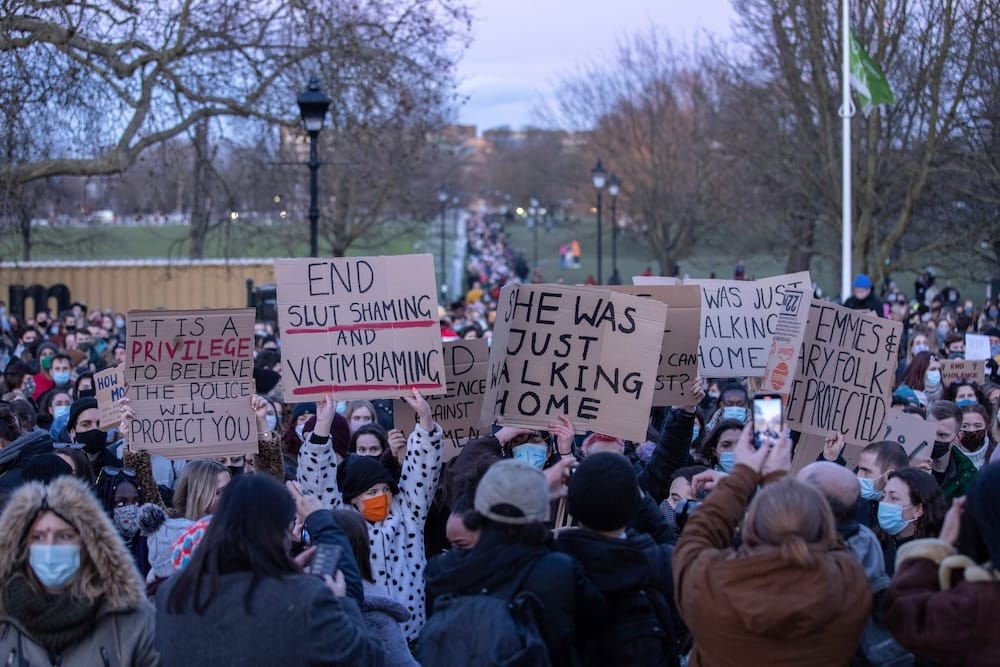
Five years ago today Sarah Everard, a 33-year-old marketing executive, was kidnapped as she walked home from a friend’s house in South London. Her kidnapper was Wayne Couzens, an off-duty police officer, who raped and murdered her. The crime prompted impassioned protests in London, then in the middle of a strict Covid-19 lockdown, arrests of the protesters and, eventually, introspection, grovelling and promises to change by the U.K.’s police forces.
But half a decade on, has anything actually changed? The domestic violence charity Refuge says no. On Monday, its chief executive, Gemma Sherrington, bemoaned the lack of action from police. Following the murder, an inquiry, known as the Angiolini Inquiry, made 16 recommendations to police forces. These included taking indecent exposure more seriously, improving the vetting of potential officers and more efficient information-sharing.
 Josie Cox
A second part of the inquiry, published at the end of last year, found many of these recommendations were yet to be implemented. “Alarmingly, the recommendation that officers with prior sexual offence convictions or cautions be barred from policing has still not been universally applied,” said Sherrington.
At the beginning of last year, the National Audit Office, the U.K.’s public spending watchdog, branded violence against women and girls an “epidemic,” saying that efforts to reduce it had been “disjointed.” But there are signs of improvement: The Office for National Statistics, the U.K.’s statistics authority, estimates that the percentage of women over 16 who were victims of domestic abuse, sexual assault or stalking in the past year has inched lower, from 14% in 2024 to 12.8% in 2025.
That figure, however, doesn’t take into account crimes like online harassment and threats. Refuge says one-third of women in the U.K. have experienced online abuse—two-thirds among the under-24s. And between 2018 and 2024, the number of referrals made to the part of the organization that deals with online abuse rose by 205%.
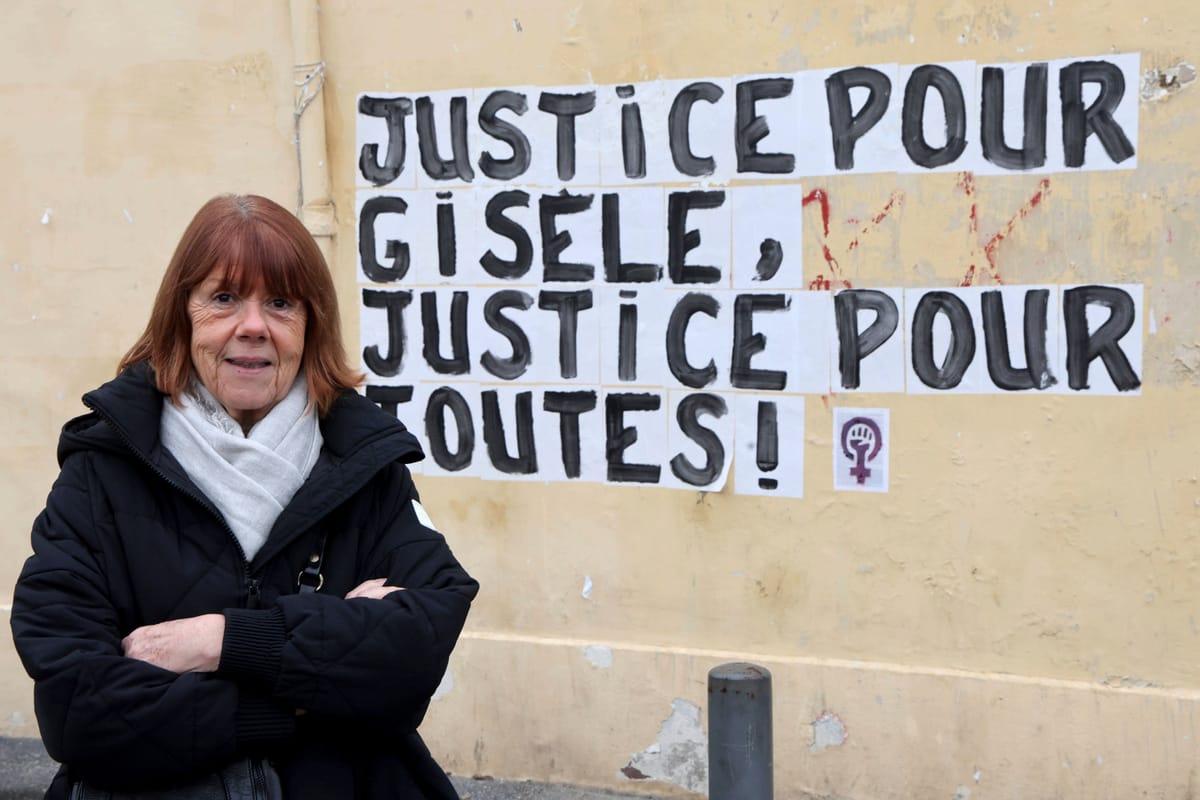
In March 2021, Everard’s death felt almost like an anomaly in the U.K.; a terrible glitch. Five years on, it feels more plausible. Perhaps it’s because of stories like Gisèle Pelicot’s that have demonstrated that even the most unassuming men can behave in unimaginable ways. Perhaps it’s because we’re living in a world where online violence is part of our daily backdrop. Perhaps it’s because of the Epstein files, which have revealed complicity beyond measure in the trafficking of girls. Whatever the reason, Sarah Everard’s murder is a crime that today feels less unfathomable; less impossible. That’s unacceptable.
 Monique El-Faizy