In Minneapolis—Their Community is Our Community. Our Community Must Be Theirs.
What's happening in Minneapolis is an "everywhere" situation and an "all of us" situation.

Twenty-seven days ago we welcomed a new year.
I can’t tell you exactly when 2026 started to sour, but the killing of Renee Good on Jan. 7 stands out as a major turning point. Good had been out in her car doing what Minnesotans now seem to find themselves doing quite a lot of: Observing federal immigration agents at work, ensuring her neighbors were safe, acting as witness. The last words she said were directed toward an Immigration and Customs Enforcement (ICE) officer—“I’m not mad at you”—at which point she was fatally shot. The Department of Homeland Security leapt ahead of the narrative: She wasn’t what you think; she was actually endangering lives; she was a “domestic terrorist.” But it was hard to square the footage with the party line.
Seventeen days later Alex Pretti was killed by ICE.
But it’s not just Good and Pretti. This fatal shooting comes after several shootings this month involving federal agents ostensibly conducting immigration enforcement. Add to those deaths, at least six immigrants who have died this month in federal immigration detention, according to Reuters.
Renee Good was a mom of three. She wrote poetry. She kept toys in her glove compartment. Alex Pretti was an intensive care nurse. He worked with veterans. He enjoyed cycling. Like Good, Pretti was blamed for his own death. Video footage of Pretti’s directly refuted the accounts from the Department of Homeland Security about what had happened. Both were 37.
What is remarkable about Good and Pretti (other than just, well, that they were remarkable humans) is that they were just two individuals among multitudes. Yes, they specifically, are the names that hurtled into the headlines, but look beyond the headlines and you’ll see, right in their shadow, neighbors helping neighbors, strangers helping strangers—the best of humanity in the worst of times.
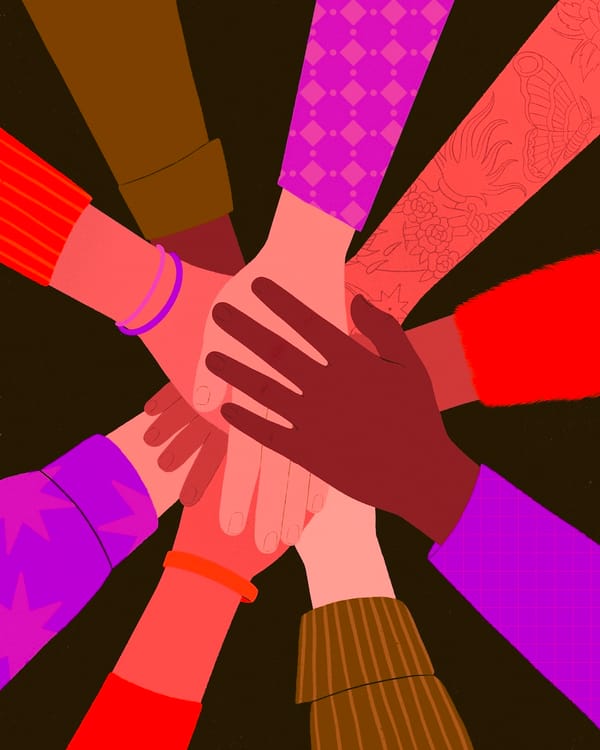
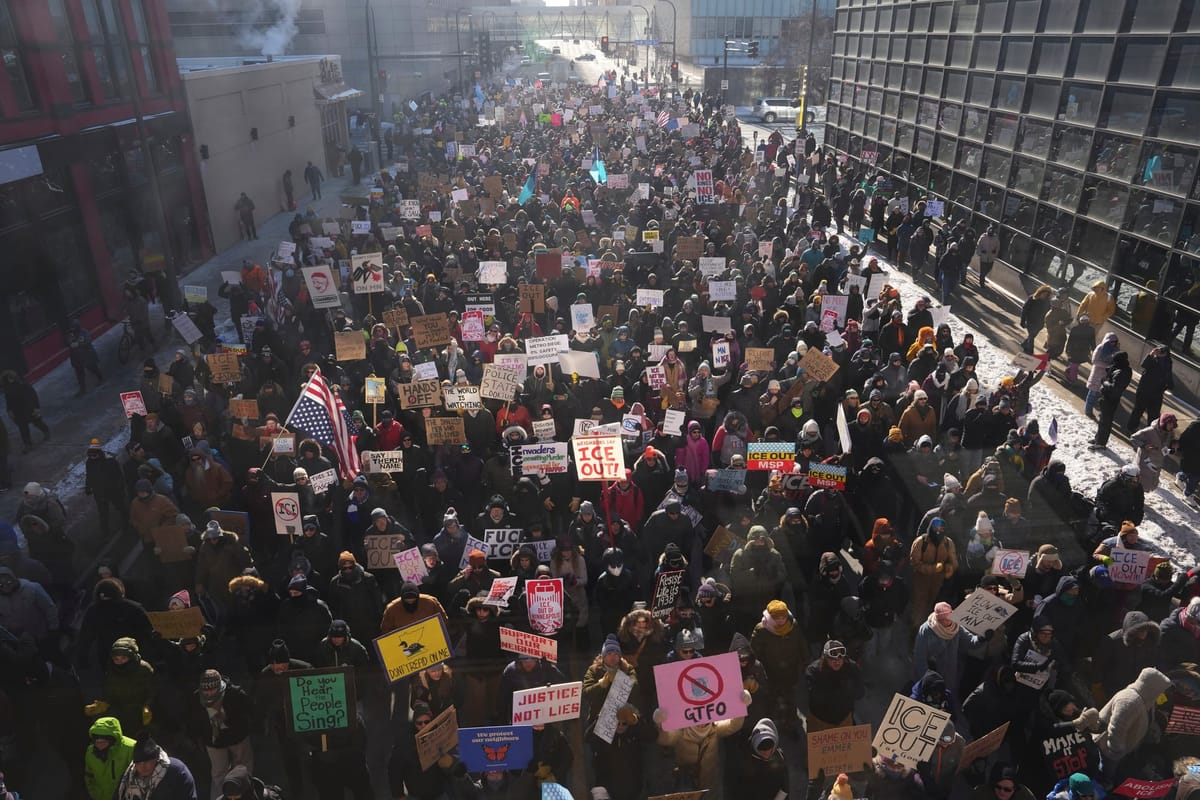
Protest doesn’t happen with one person—it’s a simple law of physics that two voices are louder than one, that four voices are louder than two, that eight voices are louder than four—and democratic resistance doesn’t happen without community. What Minneapolis has shown is that it takes people from every corner to come together for a common cause; only then can the swell become loud enough that it can’t be ignored.
 Emma Haslett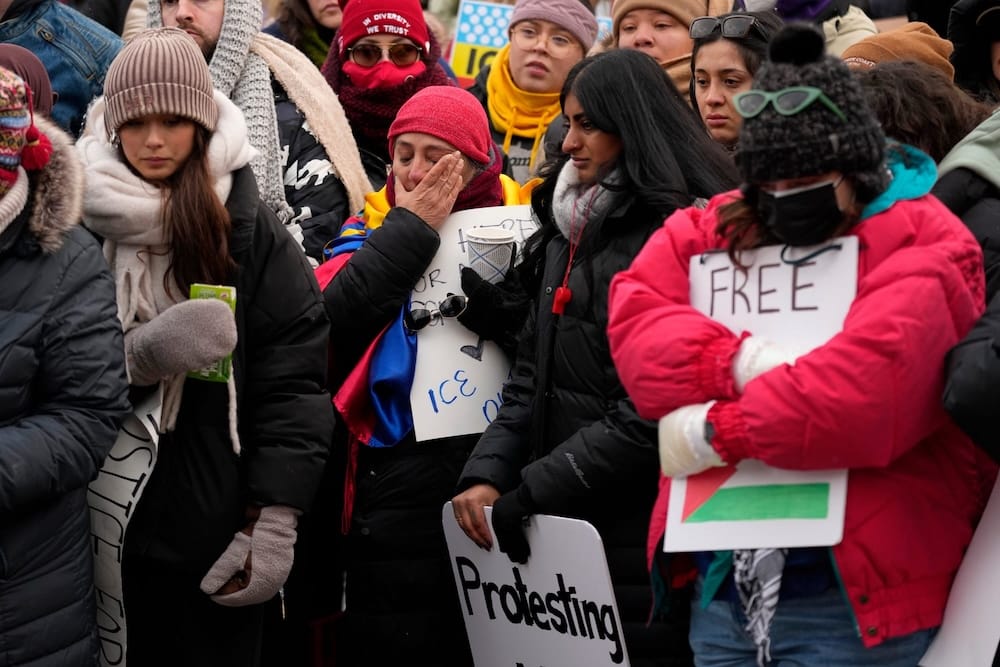
This may seem obvious, but it’s worth thinking about: When Good and Pretti ventured out on Jan. 7 and Jan. 24—those fateful, terrible days—the community around them didn’t quit when tragedy struck. In fact, their deaths might not have been called into question if it weren’t for others in the community who filmed the respective incidents and then shared with the world what they saw. The same certainly goes for other non-fatal shootings caught on video.
In Minneapolis, among other cities, various groups have been training ordinary people who feel they need protection from their own government. The Atlantic notes how one such training offers guidance on how to handle direct confrontations with ICE. Participants learn about ICE agents’ facial recognition technology; they act through simulations in class. This isn’t training for some people; it’s training for all people. Indeed about 65,000 have taken this one particular training in Minneapolis. One participant told The Atlantic he’s not the confrontation type, but he was there anyway. One might say he was doing his part.
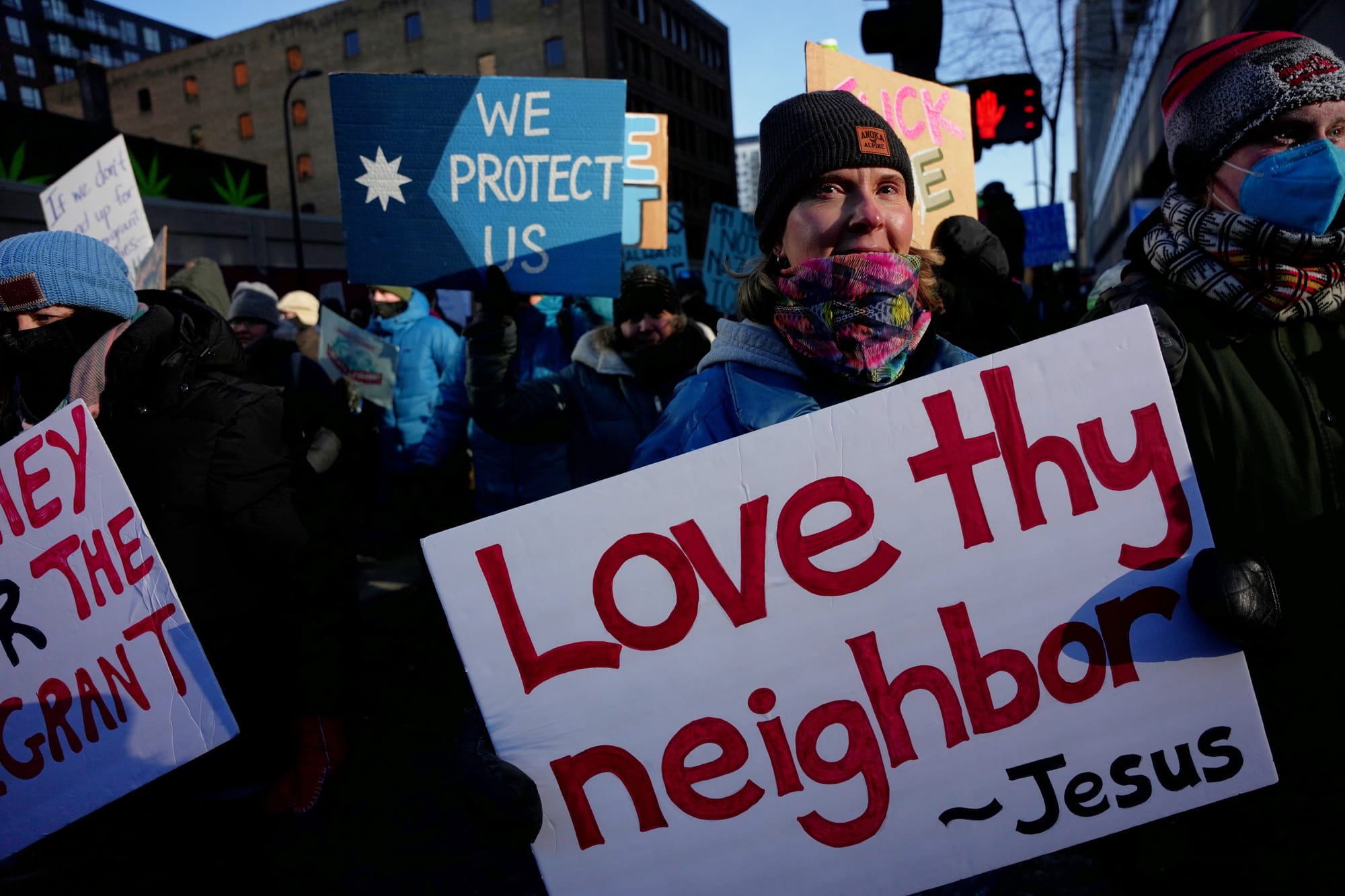
Which brings me to one more point: You don’t have to be the confrontation type to make a point. Some people won’t ever be that. Some people won’t be on the front lines with their iPhones and signs and whistles and call-and-response chants. Some people will make their point on social media. Some will make sure there are sandwiches and water. Someone has to remember to bring the hand-warmers.
In a thoughtful piece for The New Republic, the author Ana Marie Cox points out that in Minnesota, “people offer assistance without hesitation and without question,”—for example a spare scarf lent out on a cold day when you forgot yours. No need to express extravagant thanks, it’s a given you’ll pay it back one day. “You don’t help people out because you like them,” she writes. “You just do.” This mutual understanding, like common language, is precisely what spurred a rapid mobilization against ICE in Minneapolis. They were already primed to kick into high gear.
In my small town, there were three people out with signs last Saturday. They were getting organized on a tiny triangle of grass and snow and ice where three roads meet. It wasn’t much, and they were making their point for themselves, sure—but they were also making their point on behalf of anyone else who may have wanted to make a stand, but for whatever reason couldn’t. You could honk your car horn to show your support. Maybe that was enough.
I am not from Minnesota—I’m not sure I’ve ever even been to Minneapolis—but it’s quite obvious that what’s happening there is no longer an “over there” situation. It’s an “everywhere” situation. It’s an “all of us” situation. Their community is our community. Our community must be theirs.
 Han Goldstein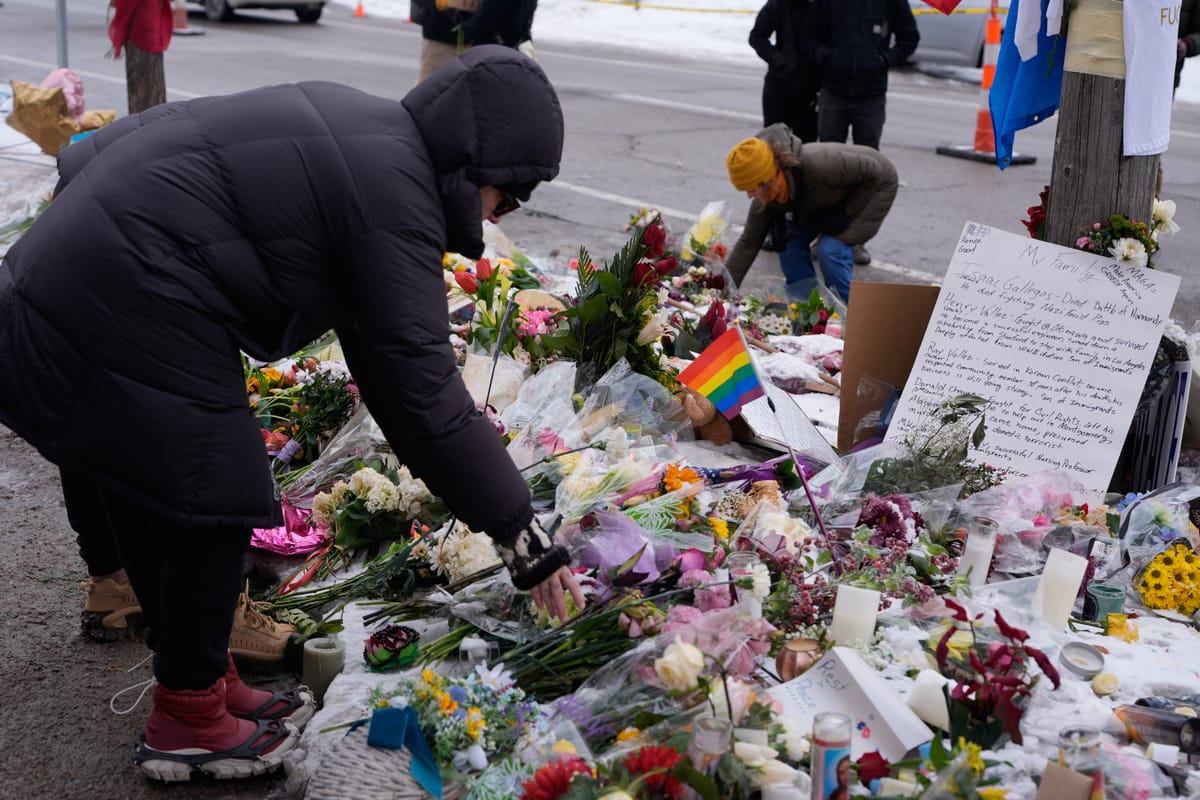
Francesca Donner is the founder and editor-in-chief of The Persistent. She is working on giving herself some grace. And also reading more.