When AI is Listening, Women Speak More
A new study shows that when meetings are transcribed by AI, women find it easier to speak.

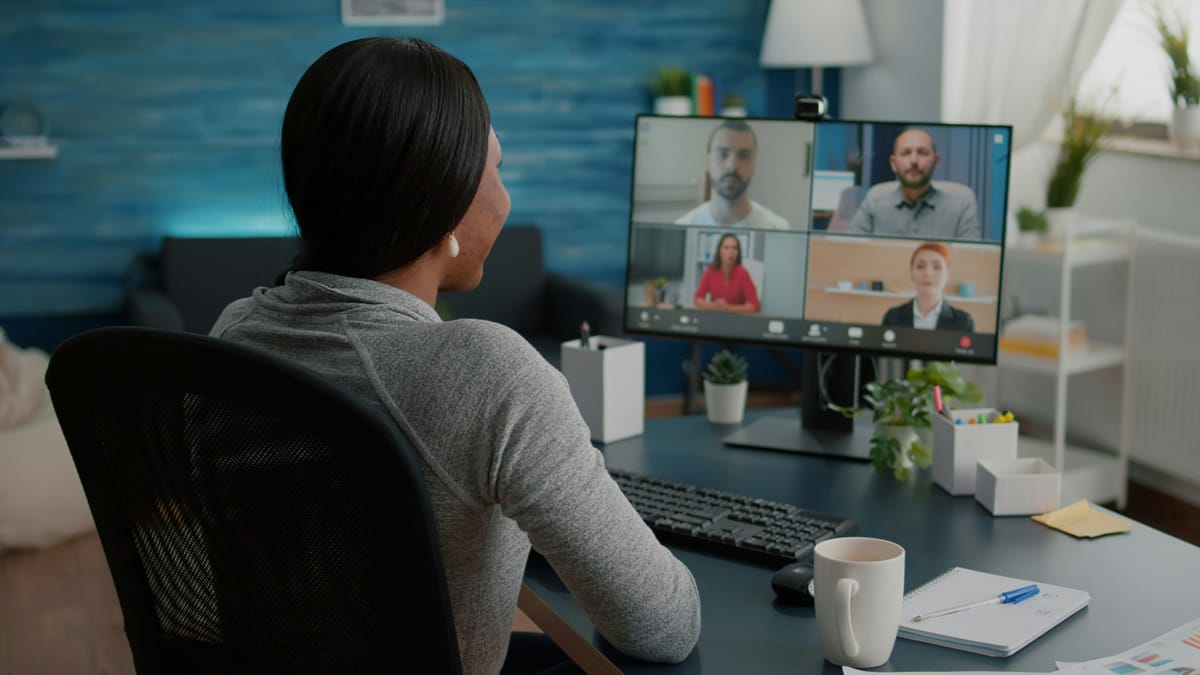
Mansplaining, taking credit for others' ideas, interrupting, asking women to take notes or get coffee. We’re all familiar with the ways some men can make meetings a hostile place for women. But new research hints that maybe there’s a hidden benefit to the introduction of AI: Maybe, just maybe it will encourage men to let women speak.
Artificial Intelligence company Read AI analyzed 159,870 virtual and hybrid meetings from 30 industries across the world and found that when a company used an AI “notetaker” in a meeting, women contributed about 9% more than men. Contrast that with other studies that have found that women normally speak 25% less than men in meetings.
The company and researchers suspect that the reason why men let women speak more when AI is watching might be because when people know their words are being captured, summarized and shared, they are more aware of what they say, how they say it—and how often they are letting others speak.
And having a chance to get a word in, or maybe even dominate the conversation could be a boon for women’s careers. Studies have found that speaking time often gets interpreted as confidence, status, or leadership. It’s called the “babble hypothesis:” humans mistake talking more for being a leader. In fact, one study found that for every extra 39 seconds someone talked, others in the meeting would rank them higher as being a leader, no matter what they actually said.
But AI in meetings isn’t a magic cure-all for difficult gender dynamics in meetings.
Inequity isn’t just about who speaks, it’s also about who stops speaking. Read AI’s data found that women entered what they called “ghost mode” (going off camera and muting)19% more often than men. Even with AI monitoring and recording their language, men still used non-inclusive terms such as swear words or phrases like "you guys," more often than women (two times per meeting on average).
Still, it’s promising. In this small way, women might finally have an edge.