Who Benefits From Working From Home? It Depends
New research shows men and women experienced working from home very differently before — and after — the pandemic.

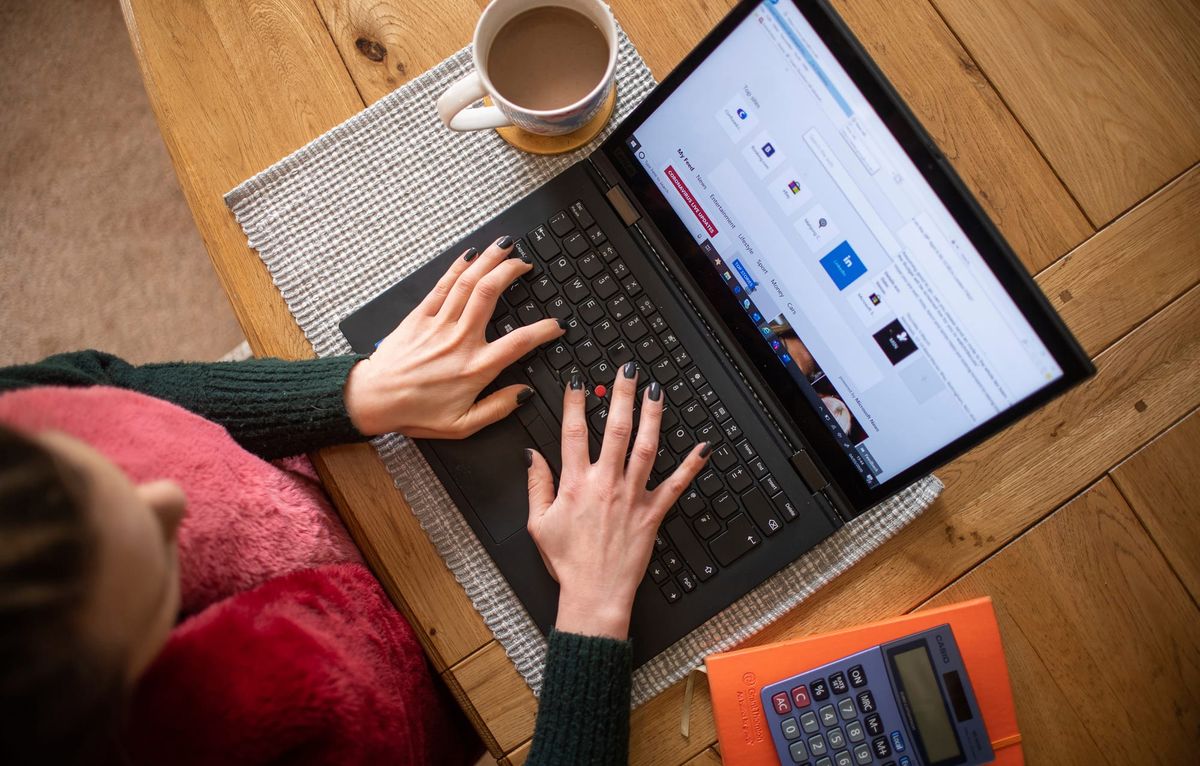
Working from home has long been seen as a way to make work more flexible and manageable, especially for people who are juggling responsibilities such as childcare. But a major new study has found that the benefits of remote work vary sharply depending on gender, job type, and workplace norms.
Academics at the King’s Global Institute for Women’s Leadership in London analyzed data from nearly 40,000 people between 2009 and 2023 — a period spanning the Covid-19 pandemic, when large parts of the labor force rapidly shifted to working from home.
Before lockdowns began in March 2020, remote work was generally associated with improved mental health for men across many types of jobs, the study found. But for women who were working remotely pre-Covid, the picture was more mixed.
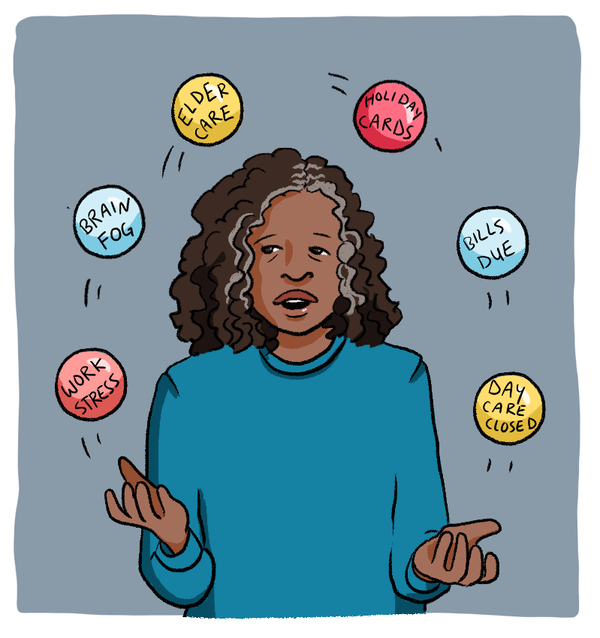
Women in higher-status, better-paid roles often encountered what researchers call a “flexibility stigma.” Those working from home felt pressure to demonstrate commitment by working longer hours and remaining constantly available. Rather than reducing workloads, remote work blurred the boundaries between paid work and caregiving responsibilities. Men working remotely pre-Covid didn’t face the same stigma or feel the same pressures, researchers found.
By contrast, women in lower-status roles were more likely to benefit from remote work. The added flexibility appeared to ease some of the strain they faced.
However, the pandemic reshaped these dynamics and, in some cases, reversed them.
After March 2020, when remote work became more widely accepted, professional women reported improved mental health outcomes, while the benefits for men diminished.
The researchers suggest that this shift may reflect a reduction in stigma, with women feeling less need to overcompensate when working from home. At the same time, men took on more unpaid domestic work during this period than they had done previously, potentially reducing some of the mental health advantages they had experienced.
“Working from home is not inherently good or bad for mental health,” said Constance Beaufils, a researcher at the French National Institute of Health and Medical Research and an associate at the King’s Global Institute for Women’s Leadership. “Its impact depends on who has access to it, the pressures people face at work and at home, and how organizations support it.”
“Before the pandemic,” she added, “those who stood to benefit most often had the least access. If flexible working is to reduce inequalities, it needs to be more widely available and backed by broader support, such as childcare.”
Heejung Chung, director of the Global Institute for Women’s Leadership, echoed this view. “For years, working from home was seen as the solution to well-being. Our research shows it was making things worse for some, particularly professional women, who were expected to manage full-time work and care at the same time,” she said. “What changed after the pandemic was not the policy, but the culture. Rolling that back now risks undoing those gains.”