10 Books We Read in High School That Still Hold Up
Sometimes assigned reading doesn’t even get read. Sometimes it becomes a treasured piece of literature years later. We have a lot to say on the latter.
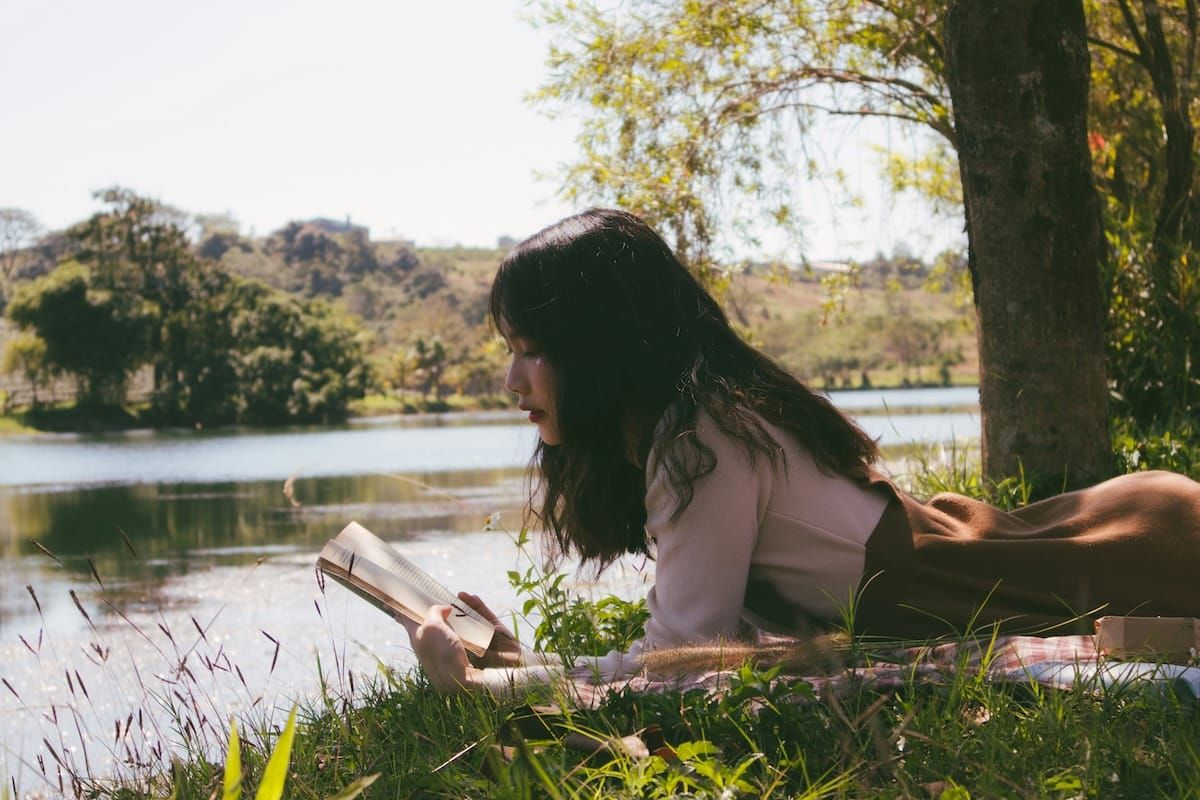
Ask any reader or writer and you’ll likely get a story about a memorable high school English teacher in their past; someone who taught them to do their very favorite thing – write! read! – plus offered life lessons along the way. Then sit back and prepare for a juicy tale, one with plenty of good book recommendations in the mix.
The thing is, there are good reasons to go back to some of these early favorite books. For one thing, books aimed at a younger audience often deliver pertinent messages in easy-to-digest ways. Plus, English teachers often turn to the classics, which, well, are classics for a reason. This week’s You Might Like gathers a few of these gems of assigned reading to remind you to revisit your own favorites from your teenage years, and maybe even find a new one to cherish. Happy reading!
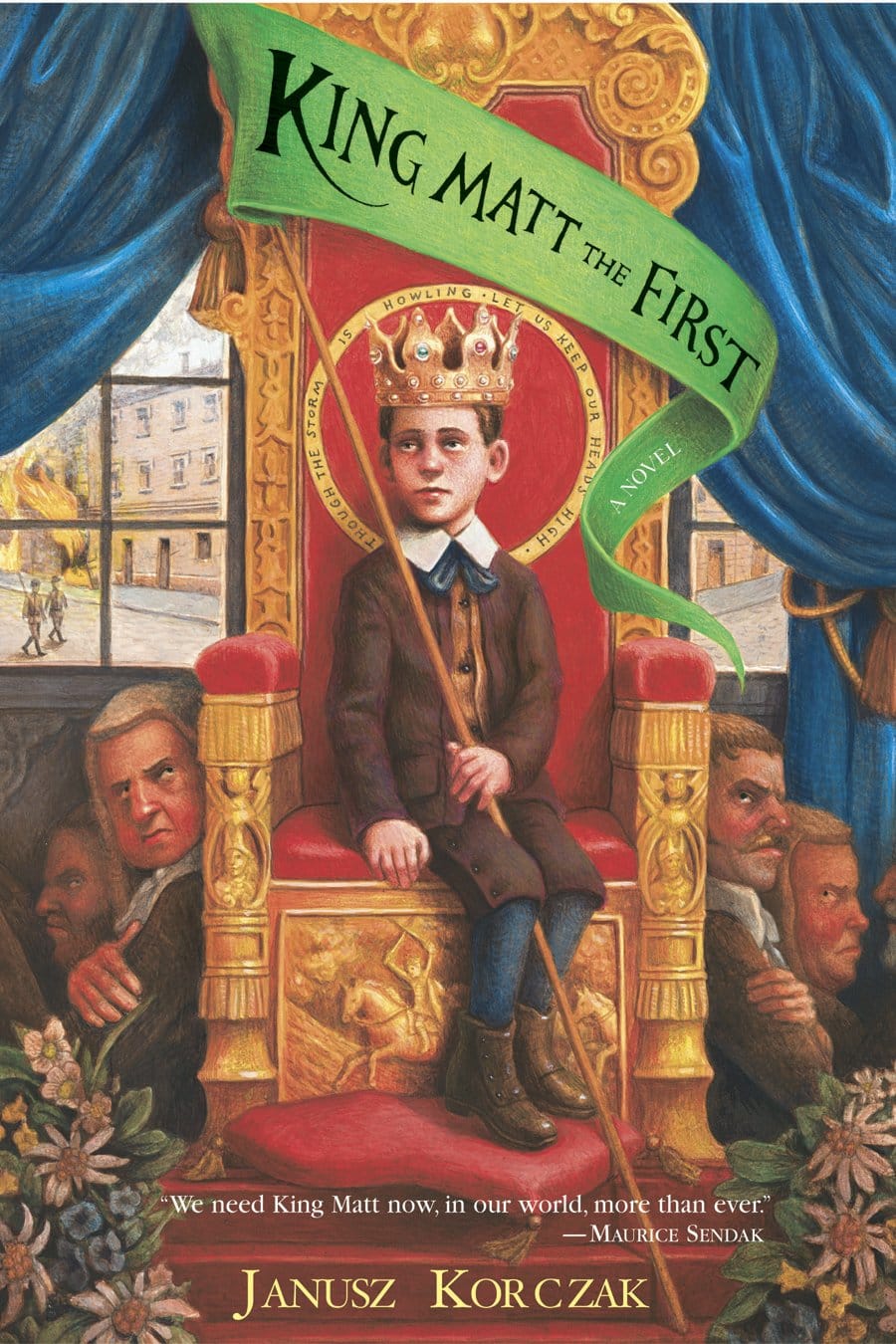
“King Matt the First” by Janusz Korczak was my favorite book as a kid growing up in the Soviet Union, and I reread it several times as an adult. It's a children's story about a boy king trying to reform his kingdom, but really it's a sharp look at power and idealism that is as relevant as ever in today's adult world.
— Tanya Mozias, contributing writer
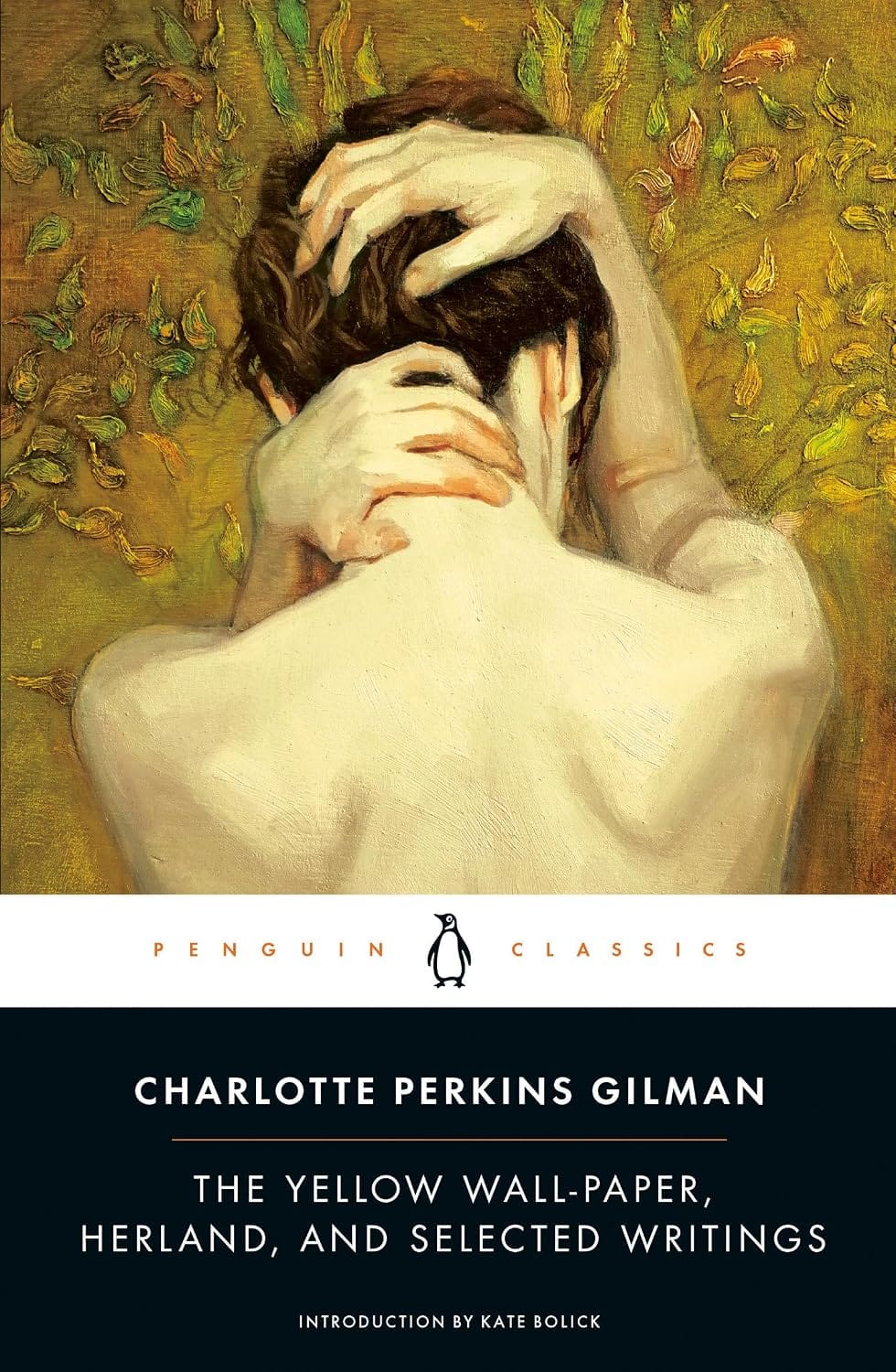
I was probably 15 the first time I read “The Yellow Wallpaper” by Charlotte Perkins Gilman. It was in a book of short stories for my honors English class during sophomore year of high school and I attribute this story, about a woman going mad, with the emergence of my love of literature with that same premise. “The Bell Jar” by Sylvia Plath falls into this category for me, as do more recent reads of “You Exist Too Much” by Zaina Arafat and “Come Closer” by Sara Gran.
— Han Goldstein, social media editor
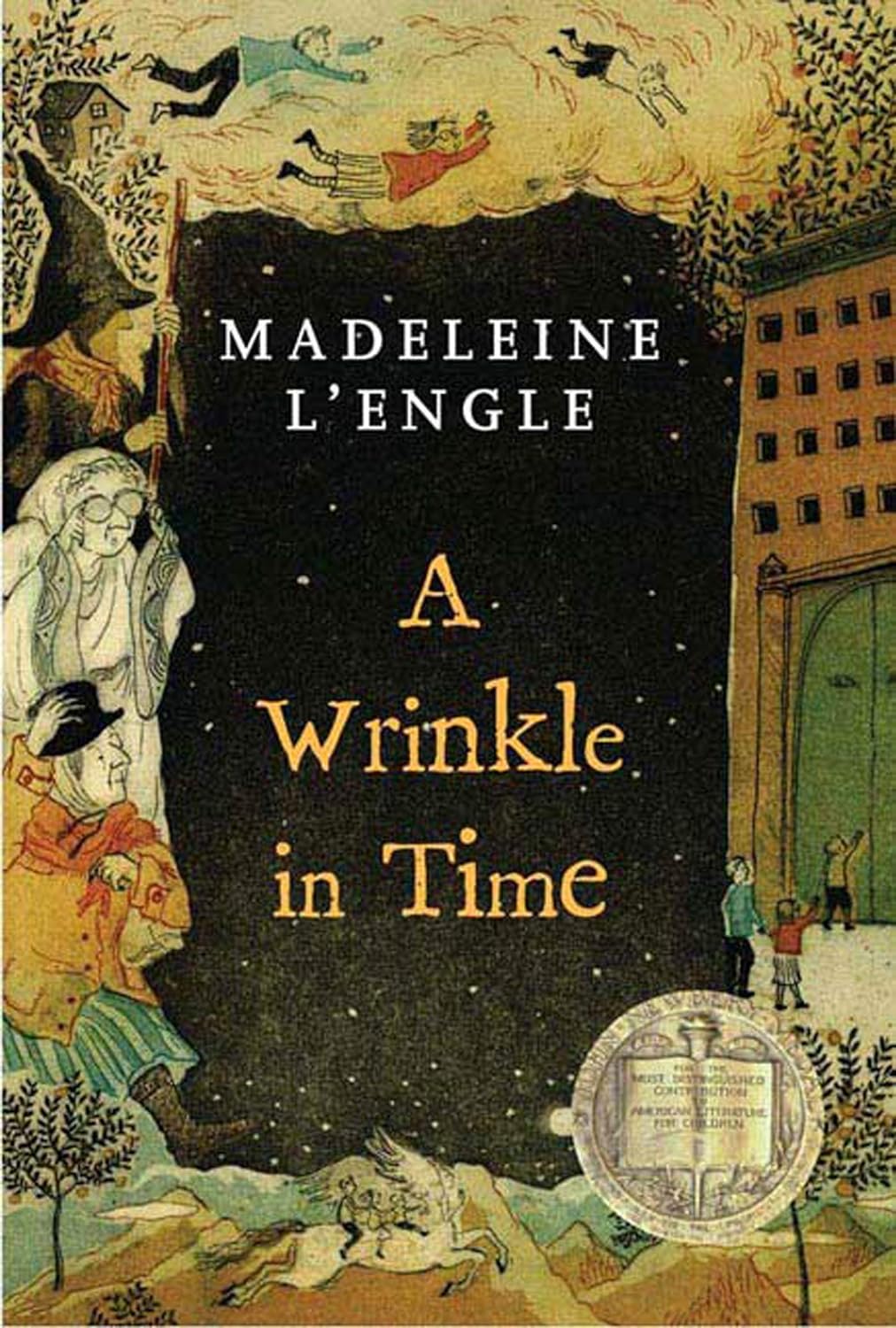
My favorite childhood novel is “A Wrinkle in Time” by Madeleine L'Engle, written in 1962. The book has many entertaining yet mature themes including good versus evil, individuality and nonconformity, the importance of free will and the power of love. It is a medical science fiction story that explores neurological hijacking, sensory processing adaptation and psychological trauma, a heavy load for childhood reading! There have been many attempts to ban the novel from school reading programs due to religious undertones and witchcraft. I recently reread it for the fourth or fifth time and enjoyed it just as much as I did the first time. I get something different out of it every time I read it!
— Kati Hynes, administrative manager
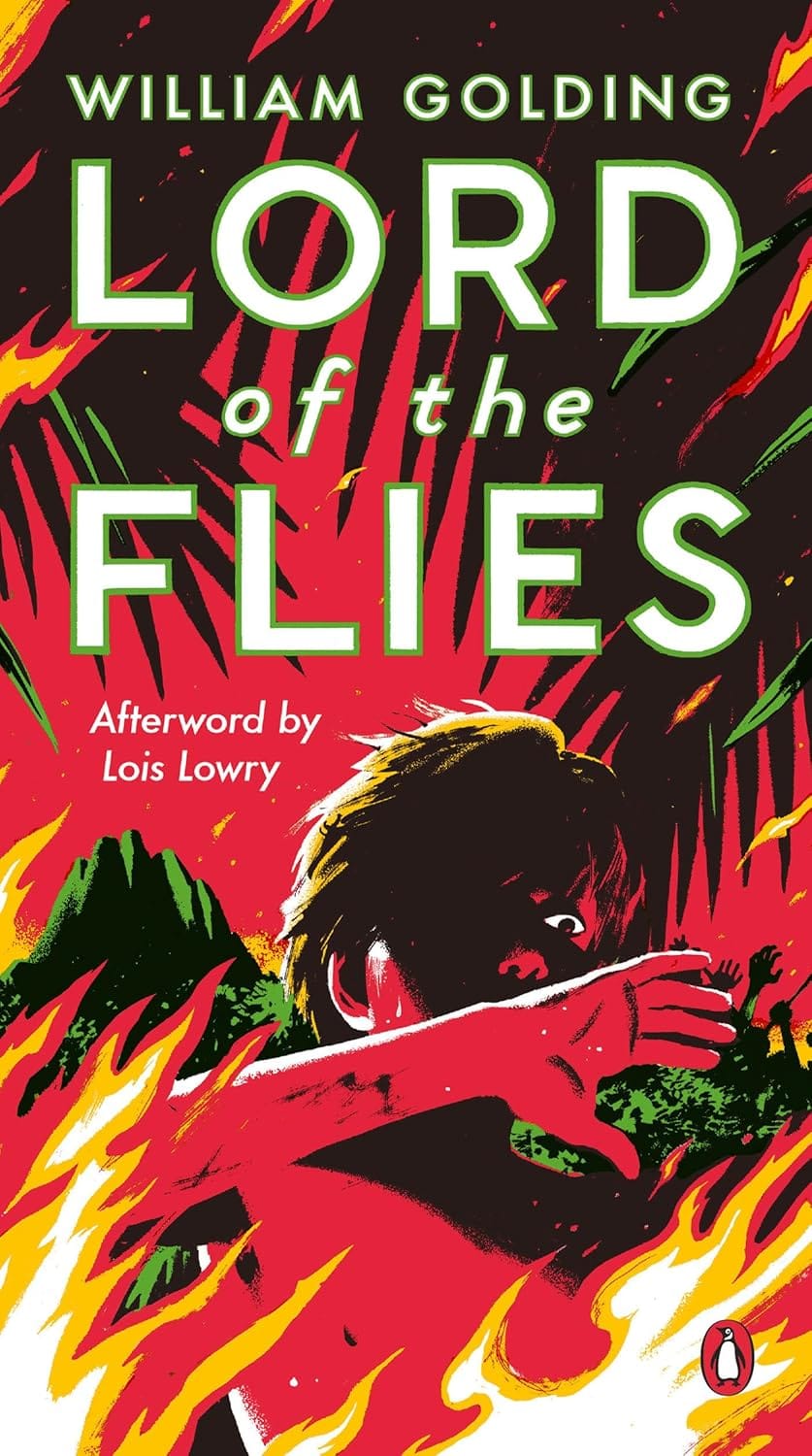
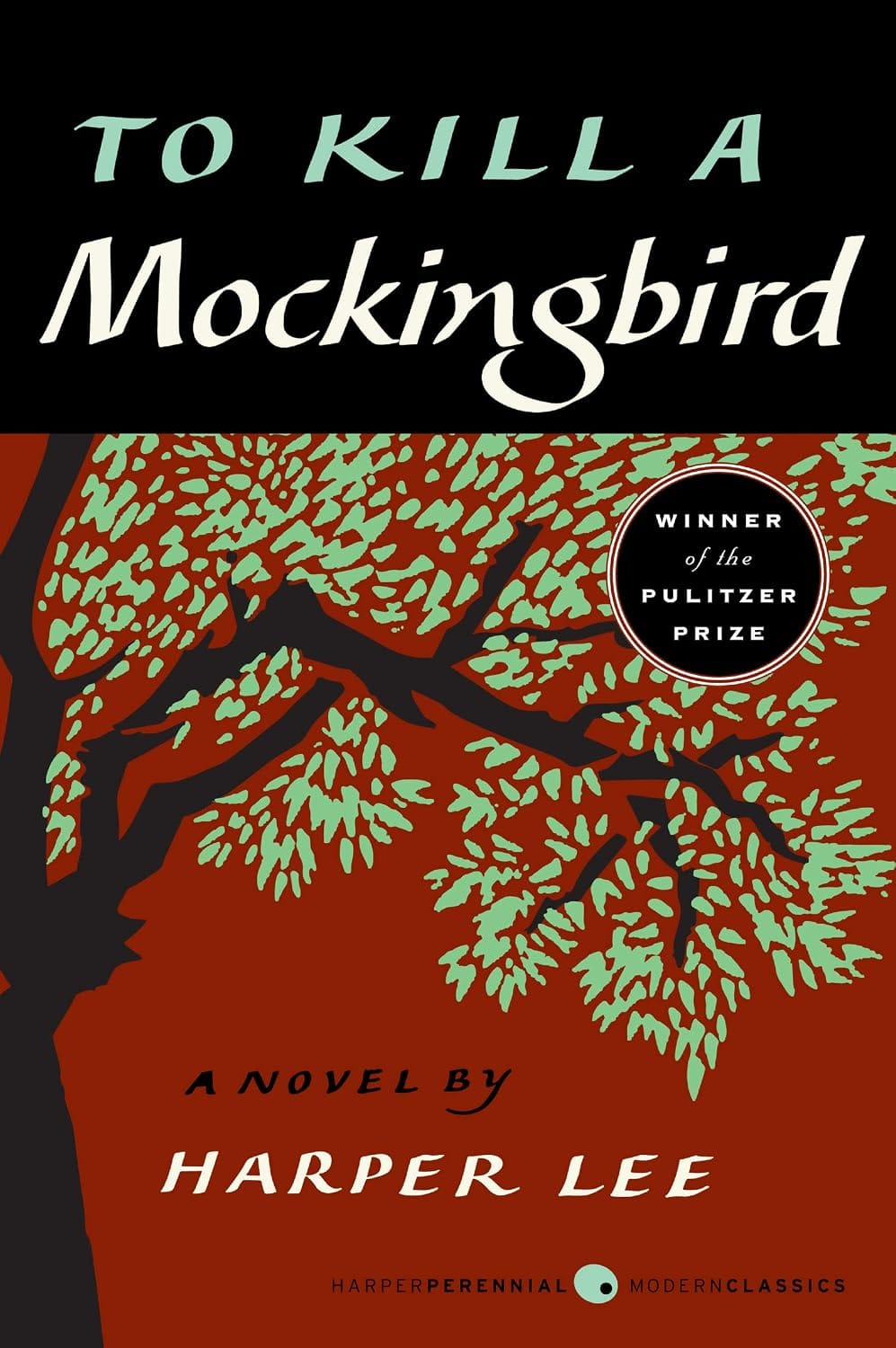
Two treasures: "Lord of the Flies" and "To Kill a Mockingbird"
There are two books that have stayed with me from my early teen years at school: “Lord of the Flies” by William Golding and “To Kill a Mockingbird” by Harper Lee. The first shocked me to the core with its steadily increasing violence and the symbolism (Piggy's broken glasses!), which, to a youngish reader, felt like deciphering a magic code. And then there's Harper Lee's classic tale of race, prejudice and (in)justice in the Deep South, which was also eye opening. I haven't read either since; I don't need to, since they are indelibly imprinted in my brain. But I did see Jeff Daniels play Atticus Finch in Mockingbird on Broadway a few years ago and wow — the story hasn't lost its power. It's more relevant than ever, particularly now.
— Paula Derrow, features editor
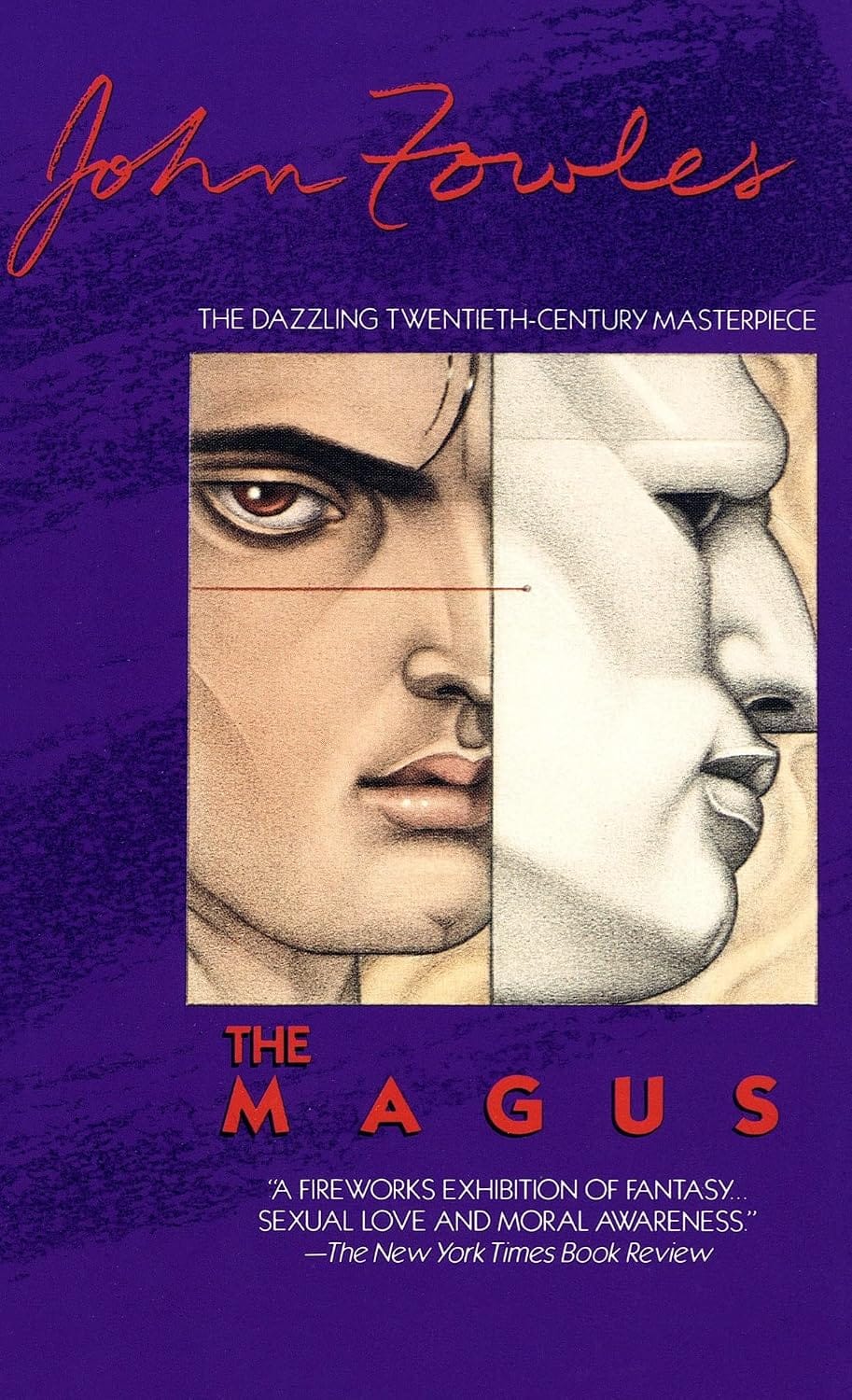
“The Magus” by John Fowles is a deeply engaging and obsessive book to read as a young person trying to find your authentic self (as the protagonist is). It definitely created a lifelong fascination with mysticism, the occult, and mythology in me — plus, a real love and appreciation for the evocative sights and smells of Greece.
— Gabriella Griffith, contributing writer
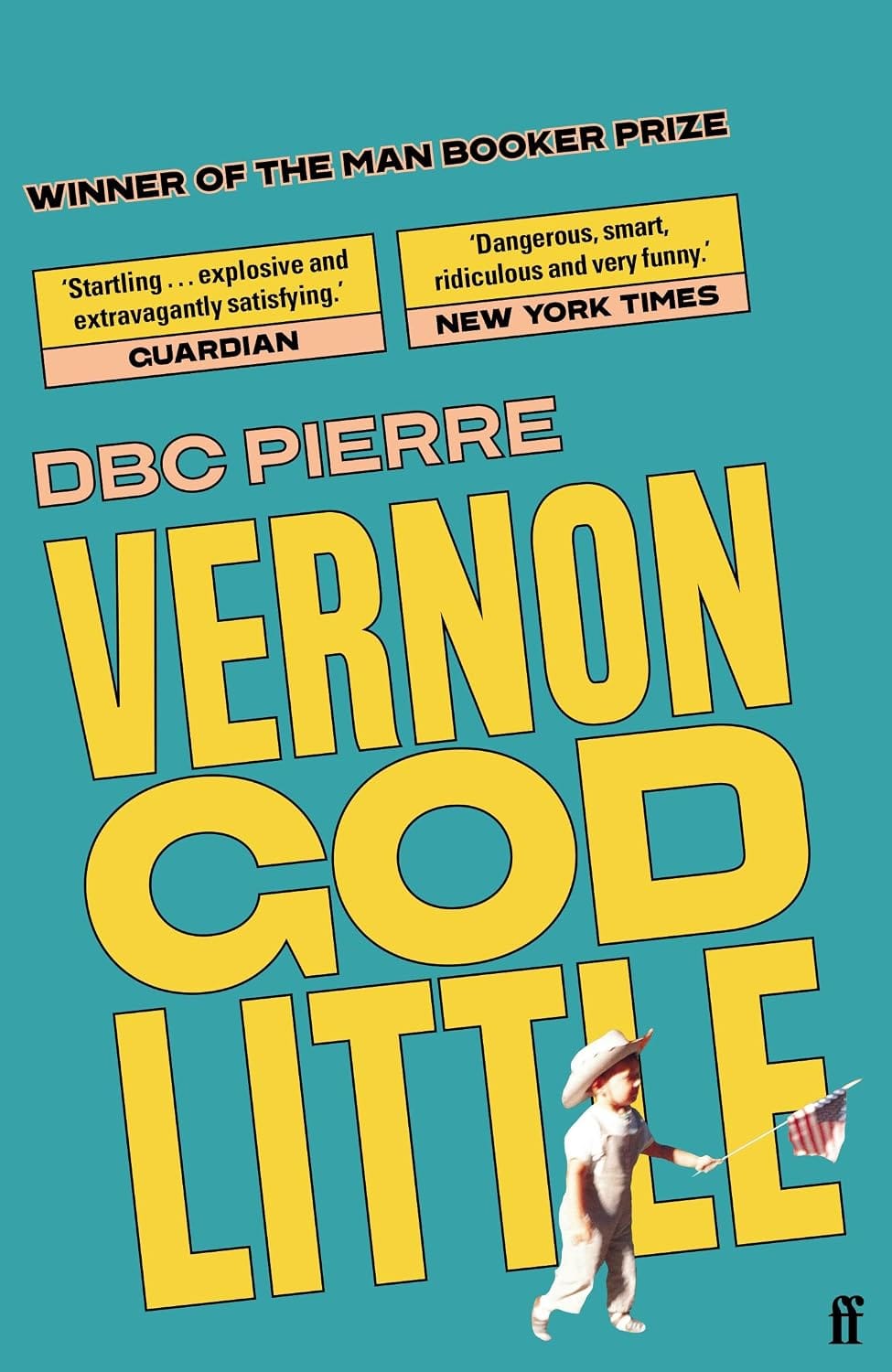
“Vernon God Little” by DBC Pierre was recommended if we wanted to do “extra reading” around “Catcher in the Rye” in school. It’s a darkly satirical novel that, in part because of the subject matter, is very, very divisive. As a Brit, it was my first proper introduction to the idea of rural Texas. It widened my perception of the world and introduced me to a love of satire that I retain to this day (and use for a lot of my own writing career).
— Holly Baxter, contributing writer
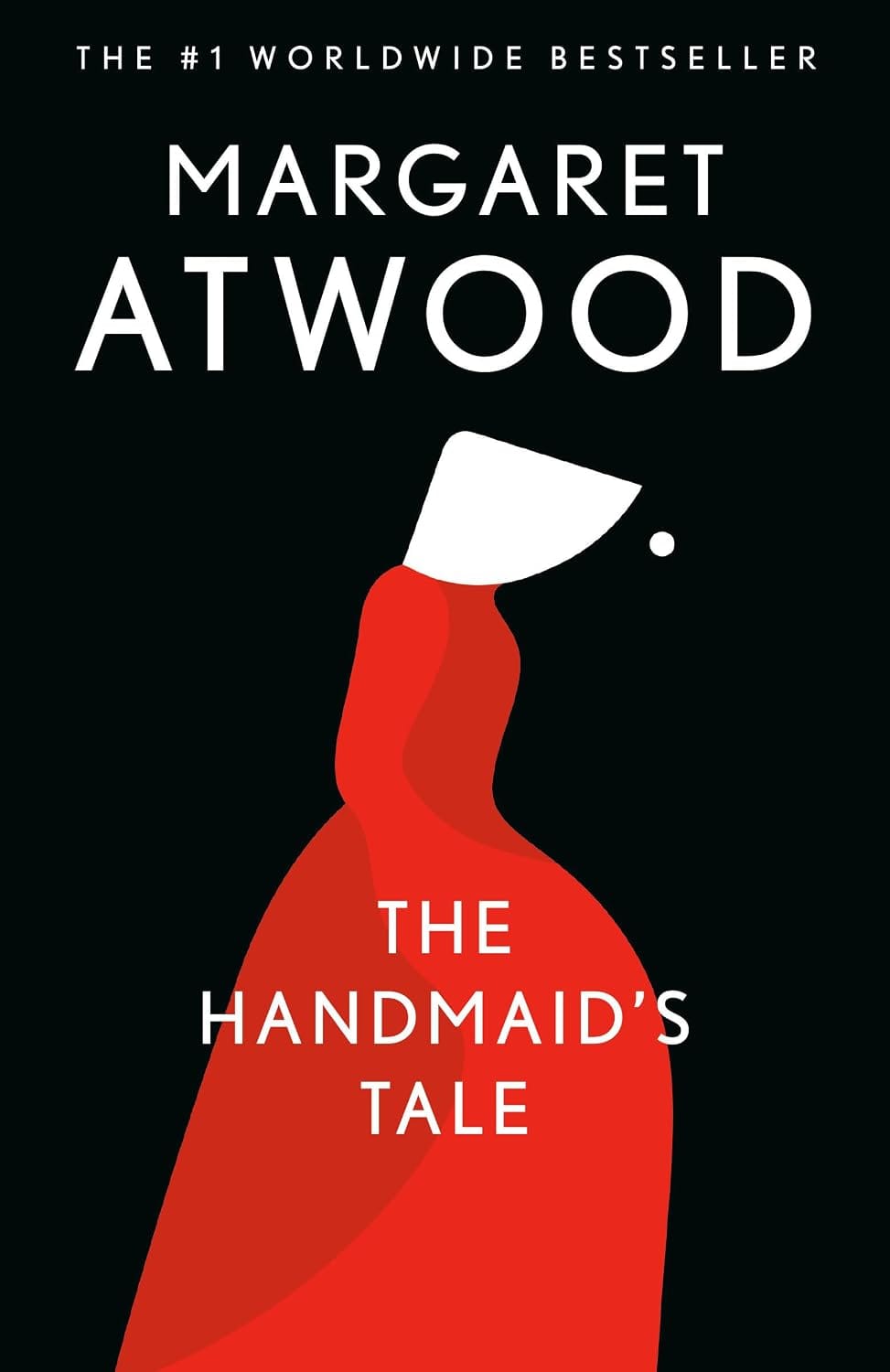
We read “The Handmaid’s Tale” by Margaret Atwood my sophomore year. It feels like a bold choice in these days of banned books, but I’ve heard since that this wasn’t terribly uncommon for high school English classes in the ‘90s. I still remember a line I pulled from memory for my AP Literature test two years later: “below the waist the commander is f**king me.” The essay question asked for a quote to demonstrate effective use of language and I couldn’t resist taking the opportunity to write about the word choice for state-sanctioned rape versus how Atwood described consensual sex. I got a 5, the highest score possible.
— Molly Dickens, contributing writer
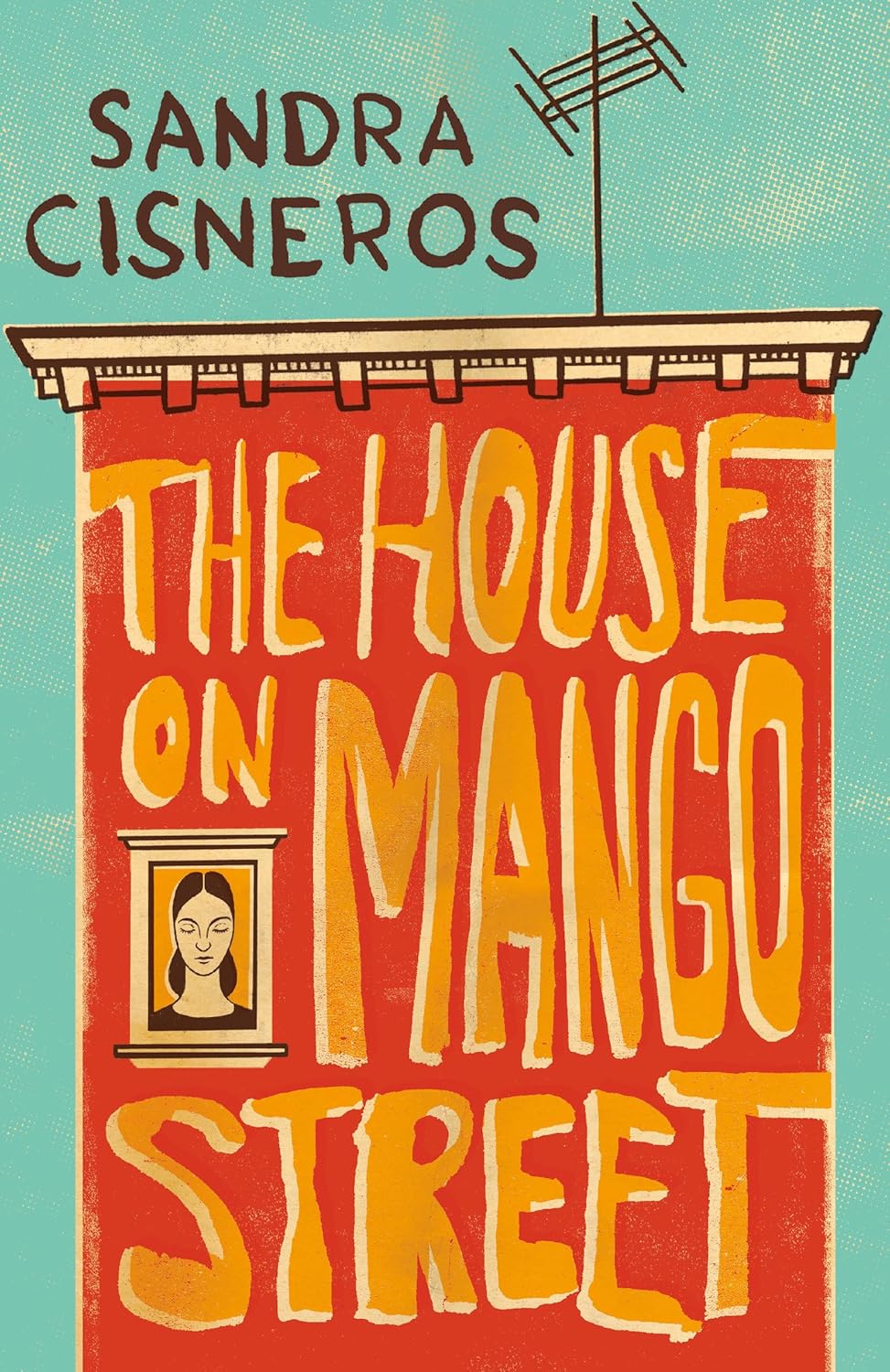
I recently reread “The House on Mango Street,” which I wasn't assigned in high school but wish I had been. Sandra Cisneros' take on girlhood is so freeing.
— Katherine Dykstra, contributing writer
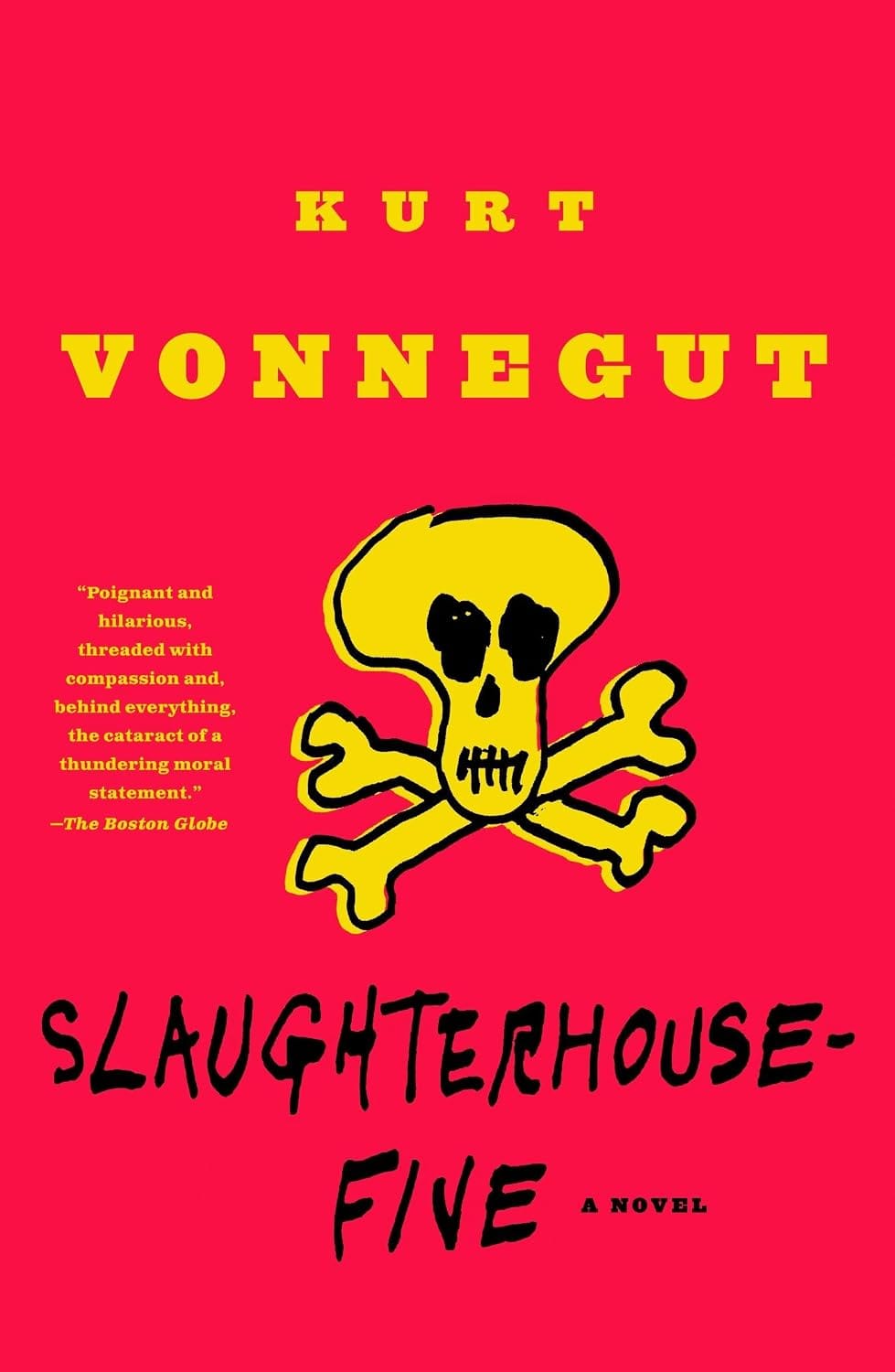
In high school, I was absolutely undone reading Kurt Vonnegut's “Slaughterhouse-Five.” It haunts me, still, even as wars continue to define the way we think about human history, or dominate the daily news cycles. The book is a wild, time-warping, unblinking story about the utter futility of war.
— Brigid Schulte, contributing writer
What’s a book you read in school that you’ve reread and enjoyed years later? Send an email to hello@thepersistent.com with your picks and we may include them in an Instagram post! We'll be back with more recommendations next Friday.
More You Might Like.
 The Persistent
 The Persistent
 The Persistent