She’s Passionate About Keeping Us Safe From Toxic Chemicals. Just Don’t Call Her a Perfectionist.
Lindsay Dahl has devoted her career to getting toxic chemicals out of our homes, water and air, but the progress she’s worked for is under attack. Here’s what we all can do about it.

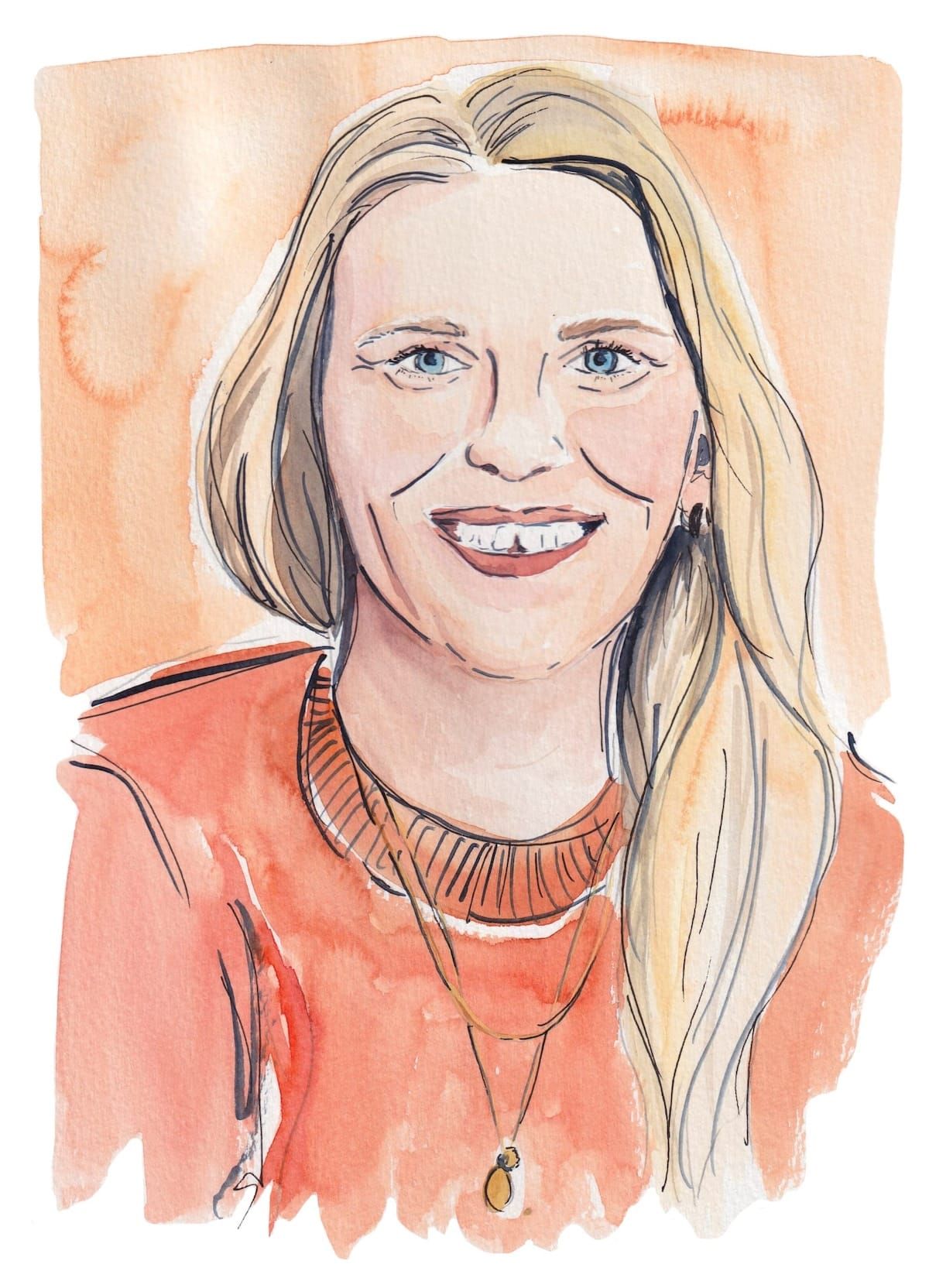
When I picked up Lindsay Dahl’s “Cleaning House: The Fight to Rid Our Homes of Toxic Chemicals,” I expected to feel at least mildly guilty about the cleaning products I use, not to mention the (very plastic-y) storage containers in my kitchen and, well, pretty much everything I put on or into my body — makeup, lotions, hair dye. You name it, I was ready to be scolded for it.
What I found instead was an inspiring and at times even gripping tale of a woman who became an accidental activist. Dahl landed early on in her career at an environmental nonprofit in Minneapolis. As a novice lobbyist, she quickly learned to go up against chemical corporations that were hiding what they knew, creating their own “science,” and funneling tens of millions of dollars a year into persuading lawmakers to look away as toxic chemicals from everyday products seeped into our environment.
Along the way, Dahl managed to fire up a great many women (and some men) to join the fight. Dahl, a mom of two daughters, told me that more often than not, it’s women who are burdened with making sure the products in their home are safe. Dahl doesn’t think that’s fair. As she says, “It’s our elected officials who need to make sure these chemicals don’t make it into our marketplace.” And that’s just one reason she named her book “Cleaning House.”
“I meant the title as a double entendre,” she told me. “If elected officials roll back toxic chemical laws, as they are doing now, we will vote them out of office.”
As a public policy advocate and lobbyist, Dahl helped pass more than 30 state and federal laws that either banned toxic chemicals from consumer products or forced chemical companies to be more transparent about what they were producing.
Washington lobbyists tend to get a bad rap, but Dahl, who spent years chasing public officials through the halls of state and federal buildings in the requisite high heels and an “ill-fitting suit from Marshalls” to try and get a word in, struck me as heroic.
Among her wins: a successful campaign in her home-state of Minnesota to ban bisphenol-A (BPA) from baby bottles and another bill in that state to remove toxic flame retardant chemicals from upholstered furniture, children’s pajamas and other common products. Her work also moved the needle in the overhaul of the Toxic Substances Control Act, which led to the banning of asbestos as well as other carcinogens.
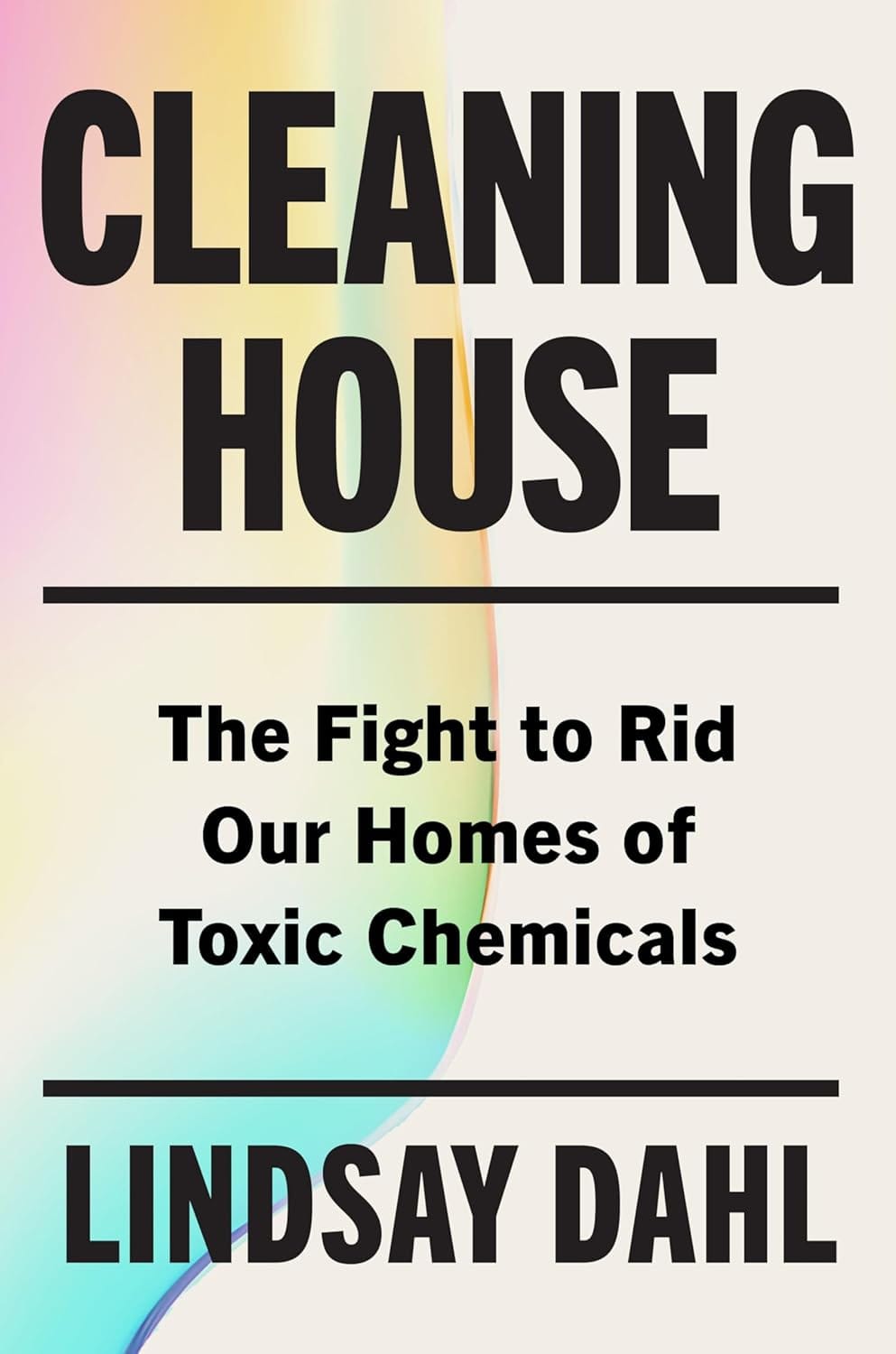
After more than two decades in the environmental health space, she wrote "Cleaning House." The book chronicles her time in the trenches at scrappy nonprofits as well as traversing corridors in the halls of power, while serving as an eye-opening manifesto for how each one of us can take action against powerful corporate interests. There’s much left to be done — but there is also a lot we can accomplish when we come together as women who care about keeping our family and the environment healthy.
Dahl talked to me about how online influencers are pedaling bad science, and can lead us astray when it comes to chemical safety; the current administration’s attempts to roll back years of regulation that has helped keep toxic chemicals out of the products we use; and also offered some easy-to-follow, non-guilt-inducing tips to reducing the presence of chemical toxins at home.
Our conversation has been condensed and lightly edited for clarity.
 Josie Cox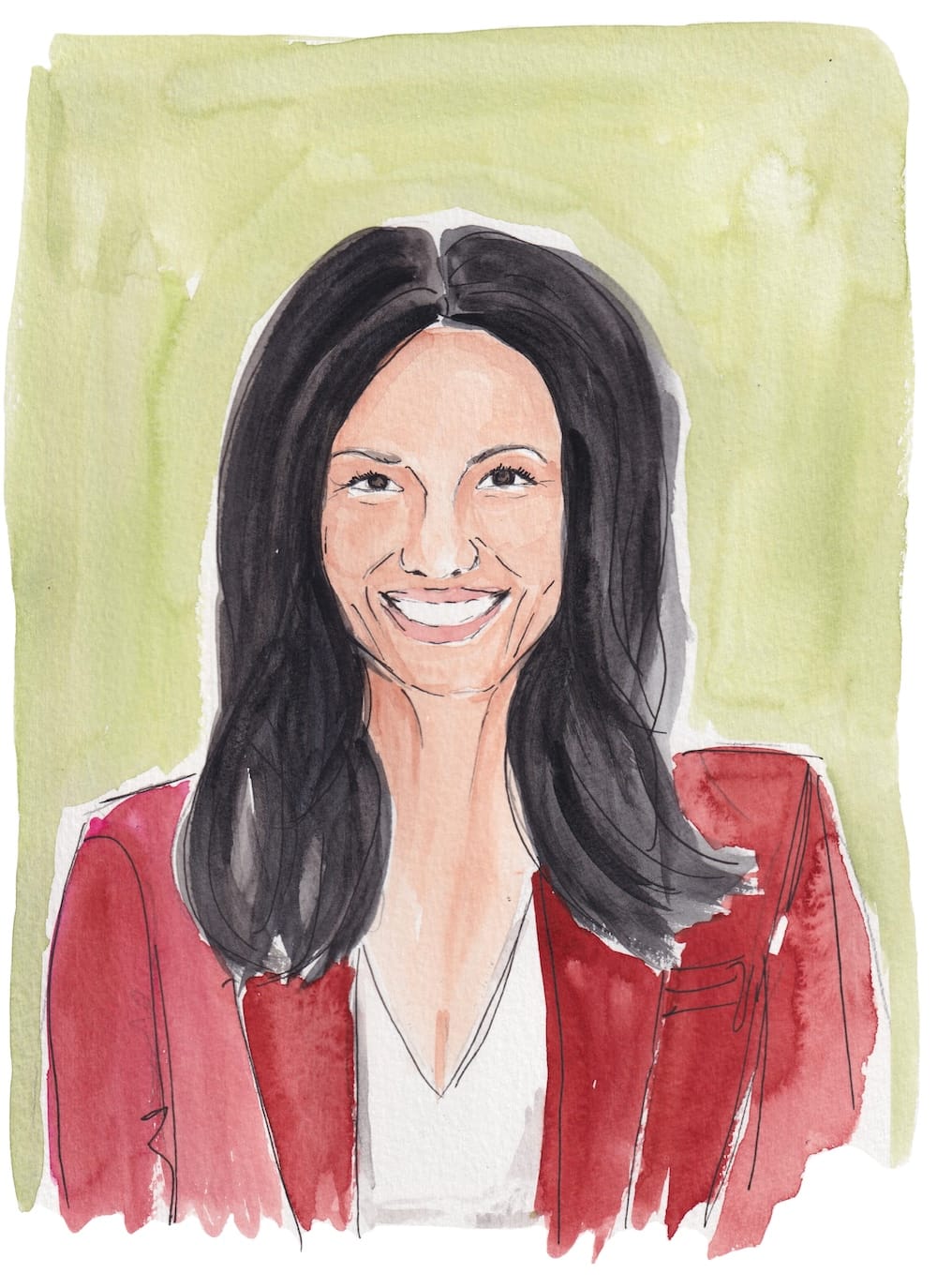
Let’s get into it: Why did you decide to write this book?
There are two reasons and they’re related. The first is that during the pandemic, I saw some trends happening on social media that disturbed me. There were posts by influencers I think of as “the perfectionists,” who tend to be fear-mongering, and make the rest of us feel as if we can and should control every bit of our chemical exposure, that we must be perfect about it.
Then there are those I think of as “the dismissers,” whose posts are more along the lines of, “none of this matters.” They use the same talking points that the chemical industry has used for years.
Why did this polarization bother you so much?
Well, I noticed that the “perfectionists” were often posting alarmist information — for instance, warning their followers that they should only shop for lipstick that’s 100% lead-free. This may sound smart, but the fact is, lead is a natural element; it comes from the earth, and trace amounts of lead occur in the foods we eat, like sweet potatoes; the water we drink, and also in many pigments used in lipsticks and eye shadows—though, with the help of the FDA, mostly at levels that won’t harm us. It’s nearly impossible for any pigment-rich makeup to be 100% lead-free. [Editor’s note: Many lipsticks are erroneously marketed as 100% lead-free.] So, I think of calling for 100% lead-free lipstick as a fear-mongering tactic. To put it another way, perfectionists use the diet culture’s playbook — “the more I restrict, the better I am.” That’s not the solution.
Perfectionists use the diet culture’s playbook — 'the more I restrict, the better I am.' That’s not the solution.
In contrast, dismissers broadcast the message that anything related to a product being non-toxic, that the idea of, say, “clean” products, is basically BS — like, small doses of chemicals don’t matter; that the risks are overblown; and that the science is uncertain. I thought, ‘Oh, man! I spent 20 years addressing toxic chemical pollution, a topic that used to be unifying, and now there is this polarization happening.’
What’s the alternative?
With this book, I wanted to bring people onto what I think of as “team pragmatist,” where we are dealing with real, peer-reviewed science, making pragmatic decisions about chemical exposure when we can, and, hopefully, using our collective voice to make sure toxic chemicals don’t end up in the products we find on store shelves. As a pragmatist, I’m here to say, ‘Look, there can be an issue when levels of lead in lipstick are too high — and it makes sense to reduce those levels.’ But that’s different from seeking perfection or dismissing the facts.
You write about how it’s so often women who are leading the fight against toxic chemicals. Do you think that’s because it’s most often women who are trying to protect their families from the dangers of these chemicals?
If you look back in U.S. history, a lot of the leading scientists and trailblazers in this field are women. There’s [the legal clerk, single mother and environmental activist] Erin Brokovitch, of course. She’s a household name, along with [the government biologist] Rachel Carson, and activist Lois Gibbs [of Love Canal fame]. But beyond these women, there’s also a history of champions fighting toxic chemical pollution and doing it on behalf of children. My goal was to write about these heroines, most of whom are not household names but who should be: the scientist, the politician, the CEO, the community activist who all, in different ways, are doing incredible work to make sure toxic chemicals don’t wind up in the products we purchase and come into contact with everyday.
Holly Baxter
When you were a lobbyist, you often found yourself flying across the country to meet with moms specifically. Why?
Connecting and working with moms of different political backgrounds all over the country has been one of the most energizing and high-impact things I’ve been able to do. I learned that if you want to get something done, ask a busy person — and often, a mom fits the bill.
At the same time, it shouldn’t be any of our jobs to have to spot the toxic ingredient. The onus should be on the chemical industry to prove that chemicals are safe before they introduce them into consumer products.
In your book you go out of your way to ensure women aren’t blamed or made to feel guilty if everything they buy turns out not to be 100% safe.
I do, because even with lists of what to buy and not to buy, the only way the real problems can be fixed is through regulation of the chemical industry — and the responsibility for doing that lies with our elected officials. We must hold them accountable.
The most high-impact thing any one of us can do is not to consult Instagram or TikTok but to engage in political activism. If people take away one thing from my book, I want them to understand the power of their voice.
We’ve got people all over the country who are using grassroots organizing tool-kits to, say, fight against the proposed rollbacks in the Toxic Substances Control Act. So many small and medium-sized organizations nestled in states across the country are doing this work on the ground now. That gives me a lot of hope.
And, finally, what’s your advice on how to make our homes less toxic?
Number one is swapping out your cookware for stainless steel or cast iron instead of nonstick materials. That’s my top pick, because the class of chemicals used in non-stick coatings are not only the most hazardous in terms of causing cancer; they are also the most likely to persist in the body. That’s why they’re called forever chemicals. And they’re in the implements we use to cook our food, which we then eat!
If you want to go further, I’d suggest that the next time you’re thinking of replacing your couch, make sure that the attached white tag has a checkmark showing that it has not been treated with flame retardants or stain resistant coatings, which are also full of toxic forever chemicals.
But this is not just about the safety of your home. It’s not just about shopping your way to safety. It’s about the workers in the factories exposing themselves; it’s about low-income communities living next to these chemical facilities, breathing the air, eating contaminated food. It’s about what happens when these toxic chemicals wind up in our trash and landfills. In other words, it’s more than our own four walls. We need to think more broadly.
Francesca Donner