The Power of Imagined Social Norms
New research in Pakistan finds that what we think other people believe may shape our behaviour just as much as what they actually believe.


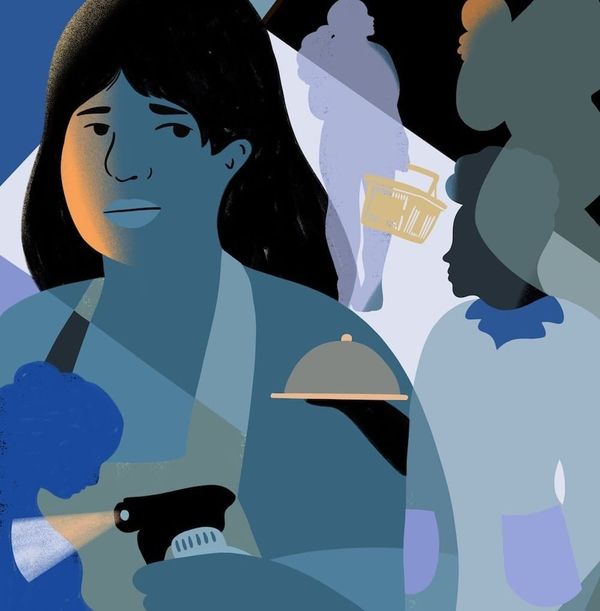
Imagine you're a woman considering applying for a job. You'd like to work. Your family would probably support it. Many of the women you know think it's a good idea. But ultimately, you decide not to apply.
Why? Because you think people might disapprove.
That may sound irrational, but new research suggests it's actually quite common.
A new working paper from the Private Enterprise Development in Low-Income Countries (PEDL) program — a U.K.-funded initiative that supports economic research in developing countries — surveyed more than 4,000 households in Pakistan to better understand why female employment remains so low.
Rather than simply measuring attitudes toward women working, the researchers found something more subtle. Both men and women tended to underestimate how much support there actually is for women working outside the home.
In other words, the problem wasn't always that people opposed women's employment. It was that they believed other people opposed it.
Economists call these second-order beliefs: beliefs about what everyone else believes. They're powerful because we don't make decisions based solely on our own values. We also consider what we think the social rules are. And sometimes those social rules exist mostly in our heads.
While we should be cautious about generalizing from one country, the findings may help explain other forms of inequality too. How many fathers assume taking parental leave would hurt their careers when their managers would actually support them? How many women hesitate to put themselves forward for promotion because they overestimate how negatively they'll be judged?
Sometimes we're constrained less by what society actually believes than by what we imagine society believes. And those are two very different things.
 Caroline Fairchild